
How Does Change Management Software Reduce Risk and Improve Efficiency?
In the high-stakes environment of 2026, a project leader must ensure that every modification to a system is handled with precision. Whether he is overseeing a global IT infrastructure or a specialized manufacturing line, the tools he chooses to manage transitions can mean the difference between seamless evolution and catastrophic downtime. This is where change management software becomes an indispensable asset for the modern professional.
What is Software Change Management?
Before diving into the technical applications, it is essential to define the core concepts. What is software change management? At its heart, it is a systematic approach to handling all changes made to a software system. The goal is to ensure that no change is made without a clear rationale and that every update is documented, tested, and approved.
When we look at what is change management in software engineering, we are talking about maintaining the integrity of the codebase. A developer needs to know exactly why a specific line of code was altered three months ago. By utilizing software change management tools, teams can track versions, manage bug fixes, and coordinate feature releases without stepping on each other’s toes. This level of control is vital for maintaining uptime, especially when implementing work from home strategies that require robust and reliable digital infrastructure.
The Role of Engineering Change Management Software
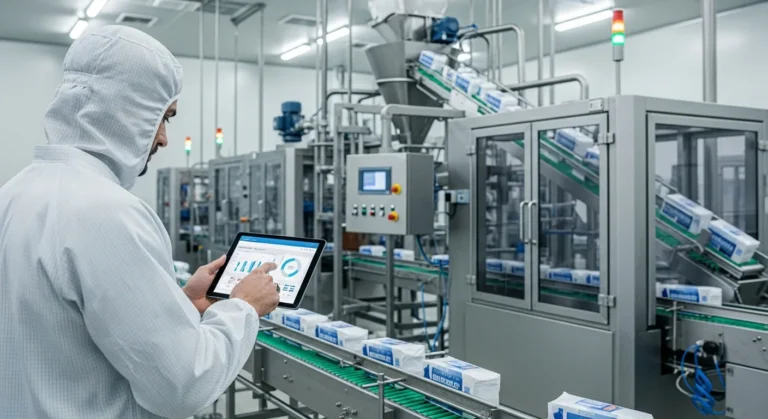
In the industrial and manufacturing sectors, the stakes are even higher. Engineering change management software is designed to handle the complexities of physical products and their digital twins. But how engineering change management software reduces errors exactly? It does so by automating the approval workflow and ensuring that all stakeholders—from the lead engineer to the procurement officer—are working from the same version of a blueprint.
By centralizing data, management of change software prevents the costly mistake of manufacturing a part based on an obsolete design. This synchronization is a cornerstone of modern industrial efficiency, allowing a manager to scale operations while ensuring the company meets home business compliance standards during rapid growth phases.
Understanding IT Change Management and the ITIL Framework
For IT professionals, the standard for excellence is often defined by the Information Technology Infrastructure Library (ITIL). IT change management within this framework is about minimizing the impact of change-related incidents on service quality. If you have ever wondered what is change management ITIL, it is essentially a set of best practices for identifying, documenting, and authorizing changes to IT services.
The Change Process ITIL
The change process ITIL follows a specific lifecycle to ensure nothing falls through the cracks. It typically involves:
- Request for Change (RFC): The formal proposal for a modification.
- Assessment: Evaluating the risk and impact of the change.
- Authorization: Getting the green light from the Change Advisory Board (CAB).
- Review: Post-implementation analysis to ensure the change achieved its goals.
Types of Changes in Change Management ITIL
Not all changes are created equal. Within change management ITIL, there are three primary categories:
- Standard Changes: Low-risk, pre-authorized changes that follow a well-established procedure (e.g., a password reset).
- Normal Changes: Changes that require a full assessment and authorization process.
- Emergency Changes: Changes that must be implemented as soon as possible to resolve a major incident or security threat.
Regulatory Change Management Software
In 2026, the regulatory landscape is more complex than ever. Regulatory change management software helps organizations stay ahead of new laws and industry standards. For a business owner, this means he can automate the tracking of legislative updates and ensure his internal policies are always in alignment. This is particularly important for what is change management in software development when dealing with data privacy laws that can change overnight.
How Does Invoicing Software Support Change Management?
It might seem like a niche connection, but how does invoicing software support change management? In a professional services context, every change in project scope often leads to a change in cost. Integrated invoicing tools allow a manager to link change requests directly to billing updates. This ensures that when a client requests a “normal change” in a development cycle, the financial impact is captured and billed accurately, maintaining the project’s profitability.
The Bottom Line
Whether you are exploring what is software change management for a small startup or implementing a global change management ITIL strategy for a multinational corporation, the right software is the foundation of success. By choosing the right management of change software, you empower your team to innovate faster, reduce manual errors, and maintain a clear audit trail for every decision made.
Frequently Asked Questions
What is the primary goal of change management software?
The primary goal is to minimize the risk of disruptions while ensuring that all changes to a system or process are documented, authorized, and implemented efficiently.
How does change management in software engineering differ from ITIL?
While what is change management in software engineering focuses heavily on code versioning and technical documentation, change management ITIL is a broader service management framework that focuses on the business impact and service delivery of IT changes.
Why is regulatory change management software necessary?
It is necessary because it automates the monitoring of legal and compliance updates, ensuring that a company never falls out of compliance with regional or international laws.
Can small businesses benefit from engineering change management software?
Yes. Even for smaller teams, engineering change management software reduces errors by providing a single source of truth for designs and specifications, preventing costly manufacturing mistakes.