How Does Retail ERP Software Transform Inventory Management in 2026?
The Evolution of Unified Retail Operations
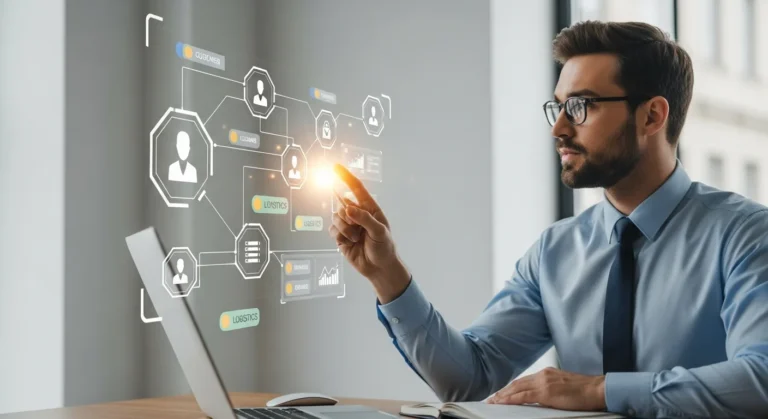
In the current landscape of 2026, the retail industry has moved far beyond simple storefront transactions. A business owner today must manage multiple digital storefronts, physical locations, and complex supply chains simultaneously. To maintain a competitive edge, he needs a centralized nervous system. This is where retail ERP software becomes indispensable. By consolidating disparate data points into a single source of truth, an executive can oversee his entire enterprise with precision.
Modern Enterprise Resource Planning (ERP) systems tailored for retail are no longer just about accounting. They are about real-time visibility. When a customer makes a purchase on a mobile app, the system immediately updates the stock levels across all warehouses and notifies the logistics team. This seamless integration prevents the dreaded ‘out-of-stock’ message that can drive a loyal customer toward a competitor.
Bridging the Gap Between Online and Offline Sales
The distinction between e-commerce and brick-and-mortar has effectively vanished. Consumers expect a fluid experience where they can buy online and pick up in-store (BOPIS) or return a web order to a physical location. Managing these workflows manually is a recipe for disaster. A robust retail ERP solution integrates directly with modern point of sales software to ensure that every transaction, regardless of the channel, is recorded and analyzed instantly.
For the retail manager, this means he can track employee performance, monitor high-traffic hours, and adjust his staffing levels based on predictive analytics. The software provides him with the tools to understand exactly where his revenue is coming from and which channels require more investment. This level of insight is what separates thriving businesses from those struggling to keep up with the digital shift.
Advanced Inventory and Supply Chain Optimization
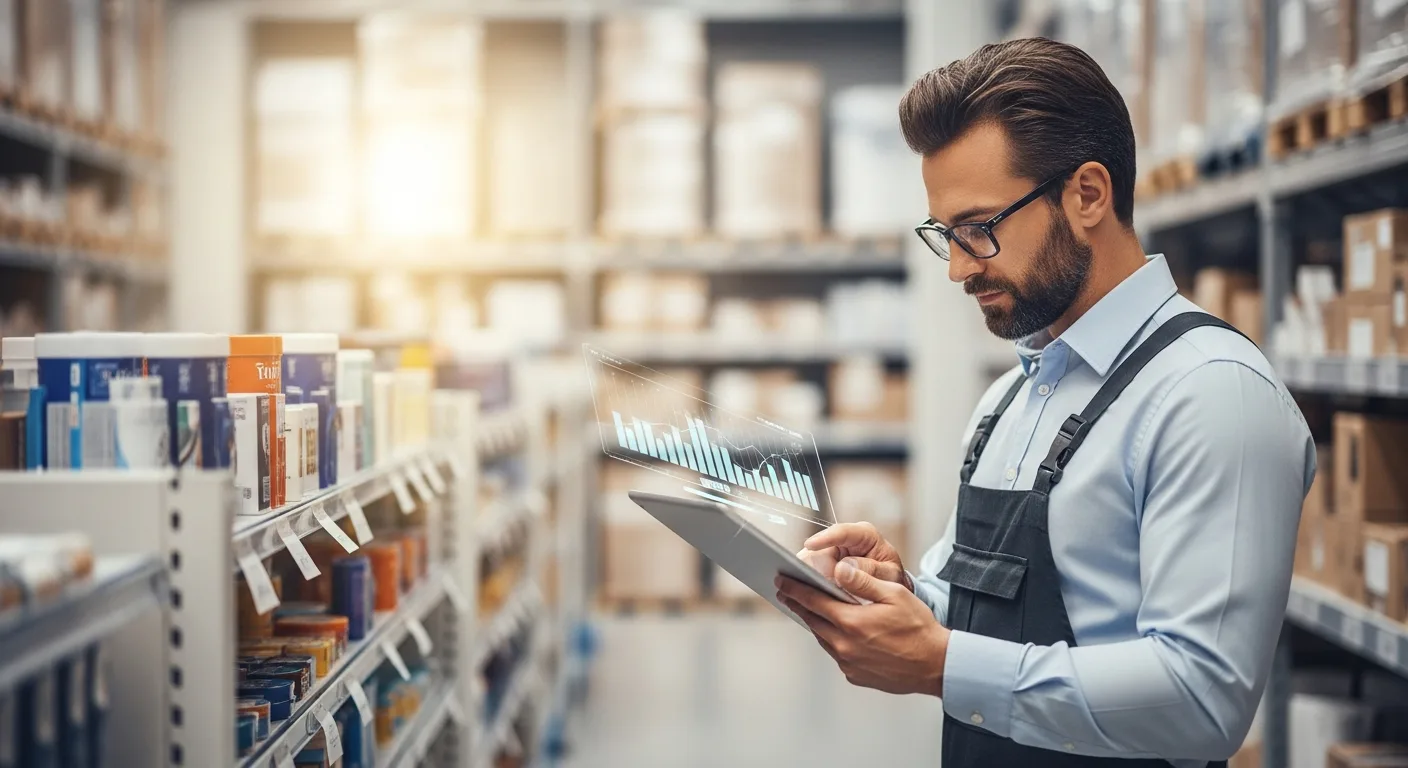
Inventory is often a retailer’s largest asset, but also his greatest risk. Carrying too much stock ties up capital, while carrying too little results in lost sales. Retail ERP software utilizes sophisticated algorithms to forecast demand based on historical data, seasonal trends, and even external factors like weather or local events. This helps the procurement officer make informed decisions about when to reorder and in what quantities.
Furthermore, these systems often work in tandem with the best warehouse management software to optimize the physical movement of goods. From the moment a shipment arrives at the loading dock to the second it is packed for a customer, the ERP tracks its journey. This transparency reduces shrinkage, minimizes human error, and ensures that the supply chain remains as lean as possible.
Key Features to Look for in 2026
As technology advances, certain features have become non-negotiable for any serious retail operation. If a manager is looking to upgrade his tech stack this year, he should prioritize the following:
- Omnichannel Synchronization: Real-time updates across all sales platforms.
- AI-Driven Analytics: Predictive modeling to anticipate market shifts and consumer behavior.
- Mobile Accessibility: The ability for a supervisor to check inventory or approve purchase orders from his smartphone.
- Vendor Management: Tools to track supplier lead times, pricing fluctuations, and quality control.
- Customer Relationship Management (CRM): Integration that allows the retailer to personalize marketing efforts based on a shopper’s purchase history.
Scaling Your Business with the Right Infrastructure
One of the most significant advantages of modern retail ERP software is its scalability. A small boutique owner may start with basic modules for inventory and sales, but as he expands to ten or twenty locations, the system grows with him. Cloud-based deployments have made these powerful tools accessible to businesses of all sizes, removing the need for heavy upfront investment in on-premise servers.
By automating repetitive tasks like data entry and reconciliation, the ERP allows the business leader to focus on strategy and growth. He can spend less time worrying about whether the numbers match and more time identifying new market opportunities or improving the customer experience. In 2026, the software is not just a tool; it is a strategic partner.
Frequently Asked Questions
What is the primary difference between a POS and a retail ERP?
While a Point of Sale (POS) system handles the actual transaction at the checkout counter, a retail ERP is a comprehensive suite that manages the entire business. This includes inventory, human resources, accounting, and supply chain management. The POS is typically just one component that feeds data into the ERP.
How does an ERP help in reducing retail costs?
A retail ERP reduces costs by identifying inefficiencies in the supply chain, preventing overstocking through accurate demand forecasting, and automating manual tasks. This allows a manager to operate with a leaner team and lower overhead while maximizing his profit margins.
Is cloud-based retail ERP software secure?
Yes, modern cloud-based ERP providers invest heavily in cybersecurity, often offering much higher levels of protection than a small or medium-sized business could maintain on its own. These systems include data encryption, multi-factor authentication, and regular automated backups to ensure the retailer’s data is always safe.
Can a retail ERP handle international sales?
Most premium retail ERP systems are designed to handle multi-currency transactions, international tax compliance, and multi-language support. This makes them ideal for a retailer looking to expand his reach into global markets while maintaining centralized control from his home office.