
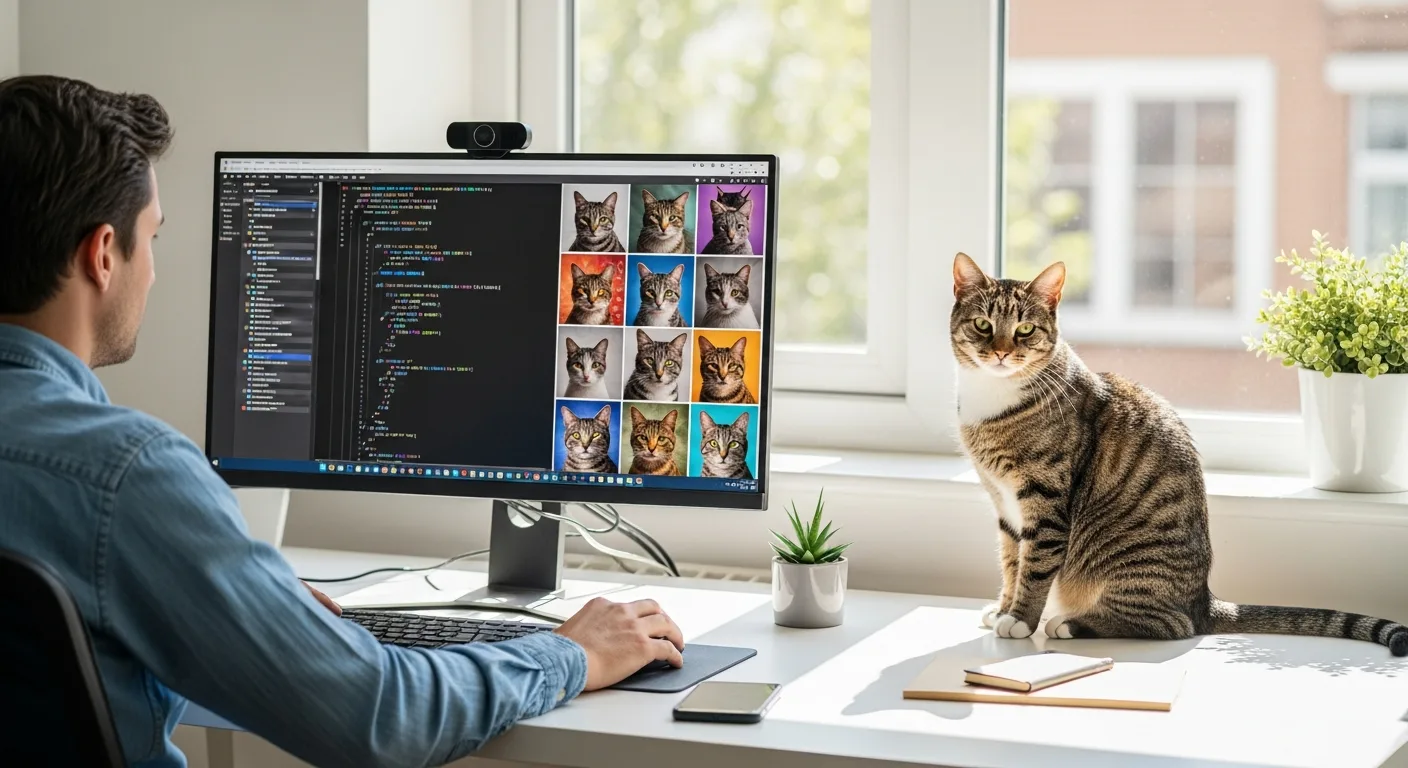
How to Effectively Use a Cat API in Modern Web Development
The Practical Value of a Cat API in 2026
In the landscape of modern web development, a Cat API serves as more than just a source of entertainment. While it provides an endless stream of feline imagery and facts, it has become a staple tool for developers who need reliable, lightweight, and accessible data for testing and prototyping. Whether a developer is building a new UI component or testing a complex data-fetching hook, he often turns to these public endpoints to populate his application with dynamic content.
Using a Cat API allows a programmer to focus on the architecture of his code without the overhead of managing a private database during the early stages of development. It provides a consistent structure of JSON responses that help him refine how his application handles asynchronous operations and error states.
Why Developers Choose Cat APIs for Prototyping
When a developer begins his journey with a new project, he often needs a reliable way to test data fetching. Following a solid API quickstart design guide ensures that his initial setup is clean and scalable. A Cat API is the perfect candidate for this because it typically offers simple authentication and high availability.
- Placeholder Content: Instead of using static gray boxes, a developer can use live images to test how his layout handles different aspect ratios.
- Network Testing: He can simulate various network conditions to see how his loading states and skeleton screens perform when fetching external assets.
- Data Structure Validation: Most feline-themed APIs provide structured JSON, including IDs, URLs, and metadata, which is ideal for testing search and filter algorithms.
Top Cat API Options for Your Next Project
Several providers have established themselves as industry standards for cat-related data. Each offers unique features depending on what the developer requires for his specific use case.
The Cat API (thecatapi.com)
This is perhaps the most robust option available. It offers a comprehensive set of features, including breed information, categories, and even a voting system. A developer can request specific image formats or filter by breed to test how his application handles nested data structures. It is highly recommended for those who need a production-like experience in a sandbox environment.
Cataas (Cat as a Service)
Cataas is favored for its simplicity. It allows a developer to request images with custom text overlays or specific filters directly through the URL. If he needs a quick “404 Not Found” image with a funny caption, Cataas is his go-to resource. It requires no API key for basic requests, making it one of the fastest ways to get started.
Managing API Constraints and Best Practices
Even when working with fun and public resources, technical discipline is required. Public services often impose constraints to prevent abuse. A developer must be aware of understanding API rate limiting strategies to ensure his application remains responsive and doesn’t get blocked during heavy testing sessions.
He should implement proper error handling to manage scenarios where the service might be temporarily unavailable. By using try-catch blocks and status code checks, he ensures that his user interface doesn’t crash if the external feline data fails to load. This professional approach separates a hobbyist from a master engineer.
Integrating a Cat API into Your Workflow
To integrate these services, a developer typically uses the Fetch API or libraries like Axios. He should structure his service layer to abstract the API calls, making it easy to swap the Cat API for a real production data source later. This modularity is a hallmark of high-quality software design. By treating the Cat API as a legitimate data provider, he can build out his entire frontend logic—including pagination, infinite scroll, and modal views—well before the backend team has finished the primary database.
Frequently Asked Questions
Does using a Cat API require a paid subscription?
Answer
Most popular Cat APIs offer a generous free tier that is more than sufficient for personal projects and development testing. While some offer premium tiers for high-volume commercial use, a developer can usually access the majority of features, including breed data and high-resolution images, at no cost by simply signing up for a free API key.
Are Cat APIs safe for production environments?
Answer
While they are excellent for testing and small-scale applications, a developer should be cautious about relying on them for mission-critical production features. Since these are often community-run or free services, they may not offer the uptime guarantees required for a commercial enterprise. He should use them primarily for development, staging, or non-essential “fun” features in his final product.
How do I handle image resizing with a Cat API?
Answer
Many Cat APIs allow a developer to pass parameters in the query string to request specific dimensions. If the API does not support native resizing, he should implement CSS properties like ‘object-fit: cover’ or use a secondary image processing service to ensure the feline photos fit perfectly within his UI components without distorting.