How Do ERP and SCM Work Together to Drive Business Growth?
The Synergy Between ERP and SCM
A business leader running a global operation without synchronized data is like a pilot flying blind through a storm. He might have the best engines and a skilled crew, but without real-time instruments, he is guessing at his altitude. In the modern enterprise, ERP (Enterprise Resource Planning) and SCM (Supply Chain Management) are those instruments. While they are often discussed as separate entities, their true power lies in how they communicate to create a seamless flow of information from the warehouse floor to the CFO’s desk.
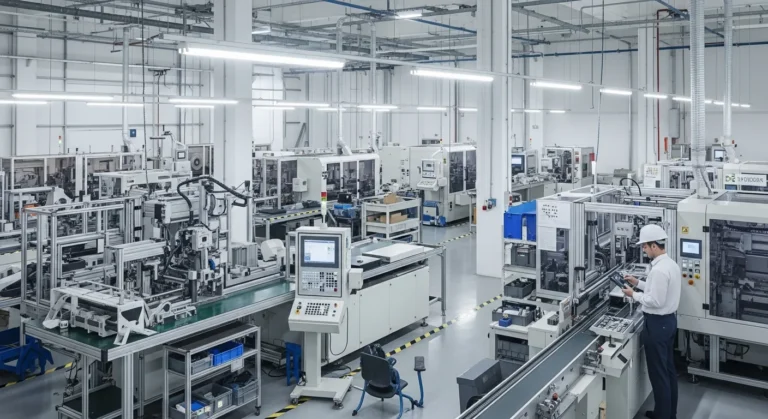
ERP acts as the internal brain of the organization. It handles the heavy lifting of finance, human resources, and core manufacturing processes. On the other hand, SCM is the nervous system that extends outside the company walls, managing relationships with suppliers, logistics providers, and end consumers. When a manager successfully aligns these two, he eliminates the silos that typically lead to overstocking or, worse, missed delivery deadlines.
Core Differences in Scope and Focus
To master his operations, a professional must understand where one system ends and the other begins. ERP is fundamentally inward-facing. It focuses on internal efficiency, ensuring that every dollar spent is accounted for and every employee’s time is optimized. If he wants to check the company’s balance sheet or run payroll, he turns to his ERP.
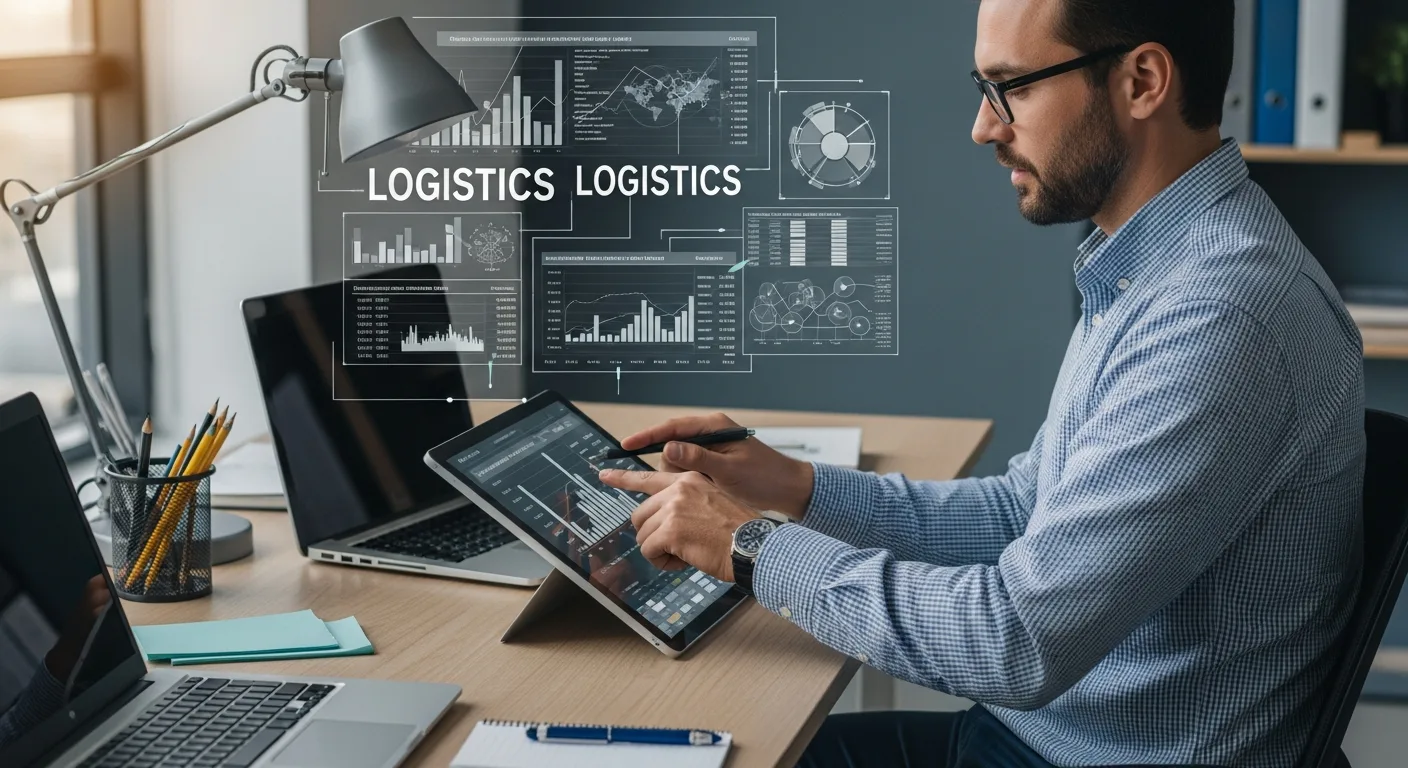
SCM is outward-facing. It deals with the complexities of the global market, including freight costs, supplier lead times, and demand forecasting. While an ERP might tell him how much raw material he has in stock, the SCM system tells him exactly where his next shipment is on the ocean and when it will arrive at the loading dock. For a deeper look at tracking these external movements, he might explore a supply chain visibility software guide to understand the granular data required for modern logistics.
Why Integration is No Longer Optional
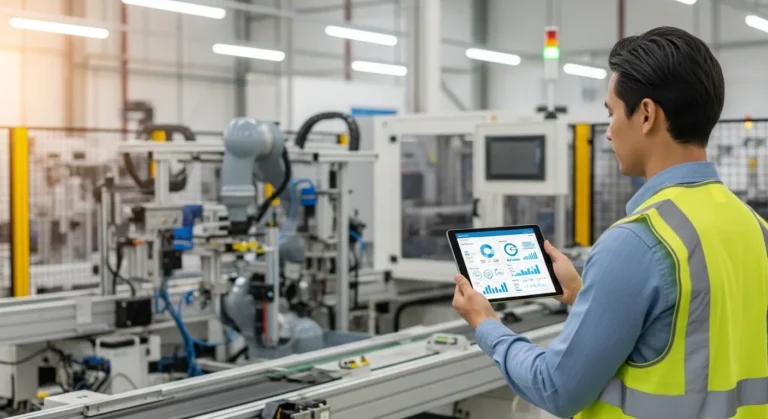
In 2026, the gap between “planning” and “execution” has vanished. A procurement officer cannot wait for a weekly report to know that a supplier is running late. He needs that data reflected in his production schedule immediately. This is where erp integrations for operational efficiency become the backbone of the business. By connecting SCM data directly into the ERP, the system can automatically adjust manufacturing timelines based on real-world shipping delays.
- Real-time Inventory Accuracy: Automated updates prevent the sales team from promising products that aren’t actually available.
- Cost Reduction: By analyzing SCM data within the ERP’s financial module, a manager can identify which shipping routes are eating into his margins.
- Improved Forecasting: Historical sales data from the ERP combined with market trends in the SCM allows for much tighter demand planning.
The Role of AI in ERP and SCM for 2026
The current year has seen a massive shift toward predictive rather than reactive management. He no longer looks at what happened last month; he looks at what the AI suggests will happen next Tuesday. Modern ERP and SCM suites now use machine learning to suggest optimal reorder points and identify potential bottlenecks before they manifest. If a strike is brewing at a major port, the SCM system alerts him, and the ERP immediately calculates the financial impact of rerouting his cargo.
This level of intelligence requires a clean data architecture. If his ERP and SCM are not talking to each other, the AI is only getting half the story. He must ensure that his data pipelines are robust enough to handle the high-velocity information exchange required for these autonomous features to function correctly.
Choosing the Right Strategy for Implementation
When a business owner decides to upgrade his tech stack, he faces a choice: a single-vendor “all-in-one” suite or a “best-of-breed” approach. A single vendor offers easier integration, as the ERP and SCM modules are designed to work together out of the box. However, a best-of-breed strategy allows him to pick the most advanced SCM tool on the market and hook it into his existing ERP via APIs.
Regardless of the path he chooses, the focus must remain on data liquidity. Information must flow freely between departments without manual entry. Every time an employee has to copy data from one screen to another, the risk of error increases, and the speed of the business decreases. He should prioritize systems that offer open architectures and proven integration capabilities.
Frequently Asked Questions
Can a business run SCM without an ERP?
Technically, yes, but it is highly inefficient. Without an ERP to handle the financial and inventory records, the data generated by an SCM system exists in a vacuum, making it difficult for a manager to see the total cost of his supply chain operations.
Is ERP more important than SCM for small businesses?
Usually, a small business owner starts with an ERP to manage his books and basic inventory. As his business grows and his supply chain becomes more complex—involving multiple suppliers or international shipping—he then adds dedicated SCM functionality.
How long does it take to integrate ERP and SCM?
The timeline varies based on the complexity of the business. For a mid-sized enterprise, a full integration can take anywhere from three to nine months. He should focus on a phased rollout to ensure that daily operations aren’t disrupted during the transition.
What is the biggest challenge in ERP and SCM integration?
Data silos are the primary hurdle. If different departments have been using their own spreadsheets for years, cleaning that data and standardizing it for a unified system is a significant undertaking for any IT manager.