
Why ERP for Food and Beverage Industry is No Longer Optional in 2026
The High Stakes of Food and Beverage Management
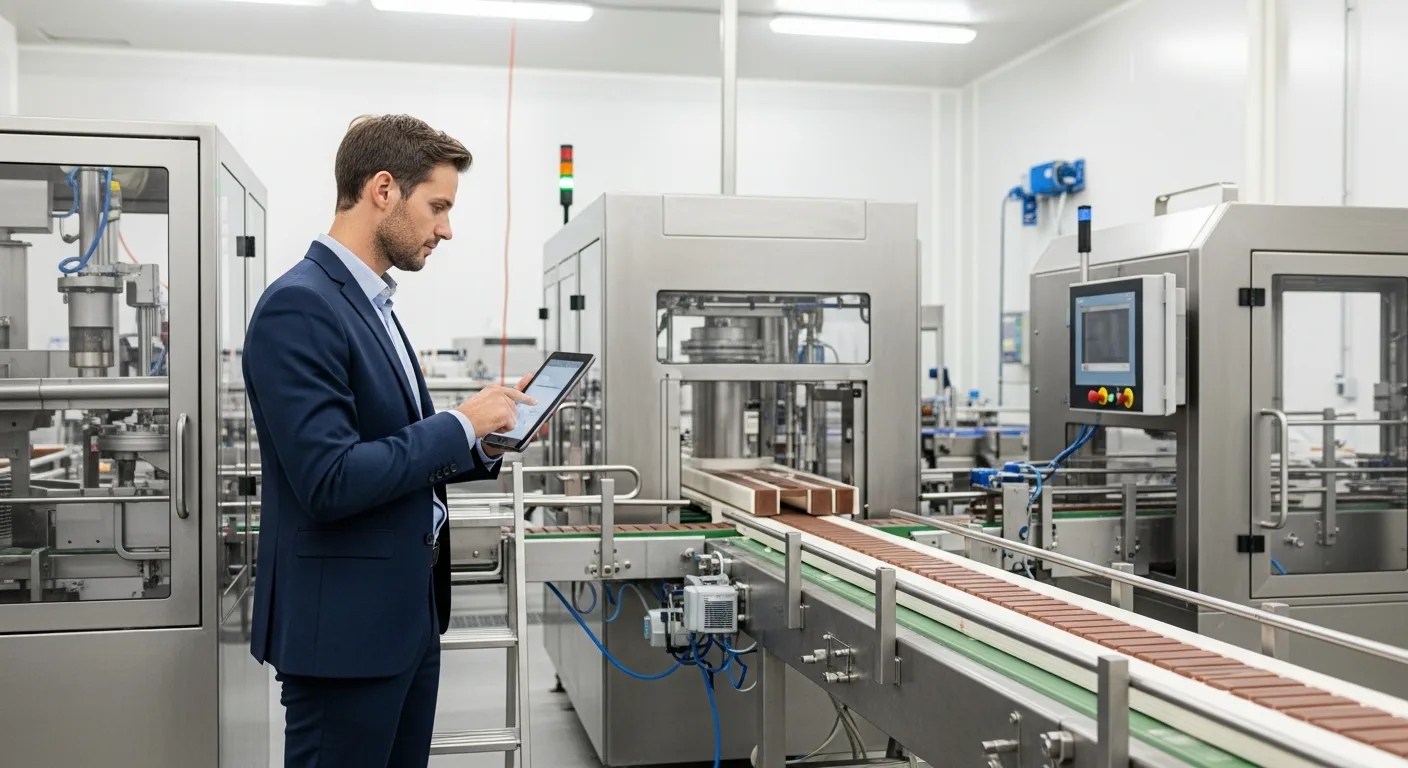
A production manager stands on the warehouse floor, staring at a pallet of raw ingredients that just arrived. He knows that if he cannot track this batch from the moment it enters his facility to the second it reaches a customer’s shelf, his business is at risk. In an industry where a single contaminated ingredient can trigger a multi-million dollar recall, manual spreadsheets are a liability. This is where ERP for the food and beverage industry becomes his most valuable asset.
Modern food ERP systems are not just accounting tools; they are the central nervous system of a manufacturing plant. They allow a leader to monitor shelf life, manage complex recipes, and ensure that every product meets strict safety standards. By centralizing data, he eliminates the silos that lead to waste and missed deadlines.
Mastering Traceability and Compliance
Regulatory pressure is relentless. Whether it is FSMA, GFSI, or local health mandates, a business owner must prove he is compliant at every turn. An ERP system automates this documentation. Instead of spending hours digging through paper logs, he can generate a bi-directional traceability report in seconds. This capability is essential when addressing specific food manufacturing software challenges, such as managing allergens or cross-contamination risks.
- Lot Tracking: Every ingredient is assigned a unique identifier, allowing for instant isolation of problematic batches.
- Quality Control: Automated checkpoints ensure that a product does not move to the next stage of production unless it passes specific safety tests.
- Audit Readiness: He can face any inspector with confidence, knowing his digital records are accurate and tamper-proof.
Optimizing Inventory and Reducing Waste
Profit margins in the food sector are notoriously thin. A manager cannot afford to let expensive inventory rot in the back of a cooler. ERP software uses First-Expiring, First-Out (FEFO) logic to ensure that ingredients are used in the most efficient order. This reduces spoilage and directly impacts his bottom line.
Furthermore, by integrating ERP and supply chain management, he gains real-time visibility into lead times and vendor performance. He no longer has to guess when to reorder flour or sugar; the system calculates his needs based on current production schedules and historical demand. This precision prevents overstocking and ensures he always has the materials he needs to fulfill orders.
Recipe Management and Consistency
Consistency is the hallmark of a successful food brand. A chef or food scientist spends months perfecting a flavor profile, and he expects that same quality in every batch. ERP systems store detailed electronic batch records, including precise measurements, mixing times, and temperature requirements. If a batch deviates from the standard, the system alerts the operator immediately.
This level of control also extends to catch weight management. Since food items like meat or cheese vary in weight, the ERP allows him to buy and produce in one unit (e.g., cases) while selling in another (e.g., pounds). This ensures accurate billing and inventory valuation, which is often a major headache for those using generic software.
Scaling for Future Growth
As a business grows, its complexity multiplies. A founder who started in a small commercial kitchen soon finds himself managing multiple facilities and a fleet of delivery trucks. A cloud-based ERP scales with him. He can add new modules for Direct Store Delivery (DSD) or advanced warehouse management without overhauling his entire IT infrastructure. This flexibility allows him to focus on innovation and market expansion rather than technical limitations.
Frequently Asked Questions
What makes a food ERP different from a standard ERP?
Standard ERPs focus on general business processes, but food-specific versions include features like recipe management, catch weight, shelf-life tracking, and strict regulatory compliance tools that generic systems lack.
How does ERP help with food safety recalls?
It provides instant traceability. A manager can identify exactly which customers received products containing a specific lot of a contaminated ingredient, allowing him to execute a targeted and rapid recall.
Can an ERP system help reduce food waste?
Yes. By using FEFO (First-Expiring, First-Out) inventory logic and providing real-time demand forecasting, it ensures ingredients are used before they expire and prevents over-production.
Is ERP software suitable for small food businesses?
Absolutely. Many modern ERP solutions are cloud-based and modular, allowing a small business owner to start with essential features and add more as his company grows.