
How Does Modern Point of Sales Software Actually Scale a Business?
The Evolution of Point of Sales Software in the Modern Market
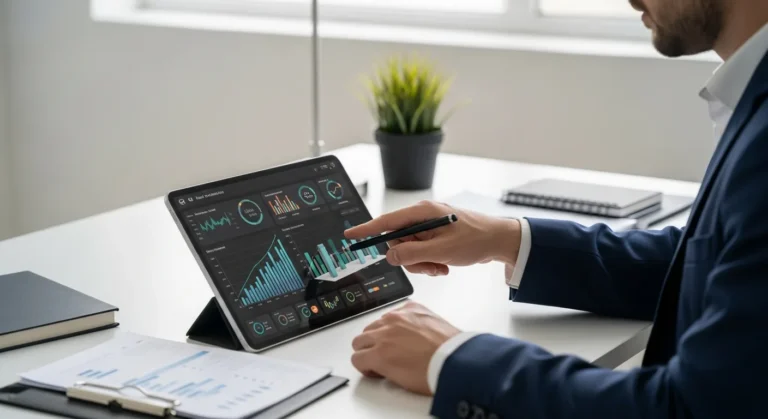
In the current landscape of 2026, the traditional cash register has become a relic of the past. Today, point of sales software serves as the central nervous system of a retail or service-based enterprise. It is no longer just a tool for processing transactions; it is a comprehensive management suite that allows a business owner to oversee his entire operation from a single dashboard. Whether he is managing a boutique shop or a high-volume restaurant, the right software ensures that his data is accurate and his customers are served efficiently.
Modern systems have transitioned fully into the cloud, providing real-time access to sales figures, employee performance, and customer behavior. When a manager utilizes these tools, he gains the ability to make data-driven decisions that directly impact his bottom line. This shift toward integrated technology has leveled the playing field, allowing smaller merchants to compete with global giants by utilizing the same sophisticated logic and automation.
Core Features That Drive Operational Efficiency
When selecting a platform, a savvy entrepreneur looks for more than just a checkout screen. He requires a robust set of features that can handle the complexities of modern commerce. High-performance point of sales software typically includes several critical modules:
- Real-Time Inventory Management: Automatically updates stock levels with every sale, preventing overselling and helping the merchant understand when he needs to reorder.
- Omnichannel Integration: Syncs physical store sales with online orders, providing a unified view of the business.
- Employee Management: Tracks clock-in times and individual sales performance, allowing a supervisor to reward his top-performing staff.
- Customer Relationship Management (CRM): Stores purchase histories so a business owner can tailor his marketing efforts to the specific preferences of his clientele.
Effective stock control within these systems often mimics the high-level strategies outlined in a manufacturing inventory software optimization guide, providing real-time visibility across all store locations and warehouses.
The Importance of Financial Integration
One of the greatest hurdles for any business owner is the reconciliation of daily sales with his financial records. Advanced point of sales software solves this by offering direct API integrations with fiscal tools. When a merchant looks at his daily totals, he needs to know that his revenue is reconciled correctly, often through a direct sync with accounting software for multiple businesses to avoid manual entry errors and ensure his tax filings are precise.
This connectivity reduces the administrative burden on the owner, allowing him to focus on growth rather than spreadsheets. By automating the flow of data from the checkout counter to the general ledger, he minimizes the risk of human error and ensures that his financial health is always transparent.
Choosing Between Cloud-Based and On-Premise Systems
The debate between cloud-based and on-premise solutions has largely been settled in favor of the cloud, yet the choice depends on the specific needs of the user. A cloud-based system offers the merchant flexibility; he can check his sales reports from his smartphone while he is away from the office. Furthermore, updates are handled automatically by the provider, ensuring he always has the latest security patches.
On the other hand, some high-security environments or areas with unreliable internet may still prefer a local installation. However, for the vast majority of modern retailers in 2026, the scalability and lower upfront costs of SaaS-based point of sales software make it the superior choice for a growing enterprise.
Enhancing the Customer Experience
At the end of the day, the software must serve the customer. A fast, intuitive interface allows the cashier to move through lines quickly, respecting the customer’s time. Features like digital receipts, contactless payments, and loyalty program integration allow the buyer to feel that his needs are being met with modern standards. When a customer receives a personalized discount based on his previous visits, he is more likely to return, building a cycle of loyalty that sustains the business for years to come.
Frequently Asked Questions
What is the primary benefit of point of sales software?
The primary benefit is the centralization of business data. It allows an owner to manage sales, inventory, and customer information in one place, leading to better efficiency and more informed decision-making.
Can I use POS software on a tablet?
Yes, most modern point of sales software is designed to be mobile-friendly. A merchant can run his entire operation from a tablet, providing him with the mobility to serve customers anywhere in his store.
Is my data safe in a cloud-based POS?
Cloud-based providers use enterprise-level encryption and regular backups to ensure that a merchant’s data is protected against both hardware failure and cyber threats.
Does POS software help with taxes?
Yes, by accurately tracking every cent of revenue and tax collected, the software generates detailed reports that a business owner can hand directly to his accountant, simplifying the tax season significantly.