Why Accounting ERP Systems Are Replacing Traditional Bookkeeping in 2026
The Shift from Ledger to Ecosystem
Managing a company’s finances used to mean a CFO spent his entire week chasing spreadsheets and reconciling bank statements. Today, that manual grind is a relic of the past. Accounting ERP systems have transformed the financial department from a back-office cost center into a strategic powerhouse. Unlike basic software that only records what happened, an ERP predicts what will happen next.
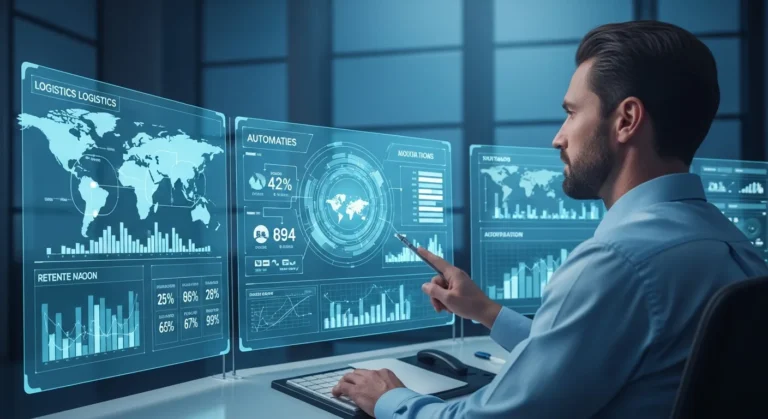
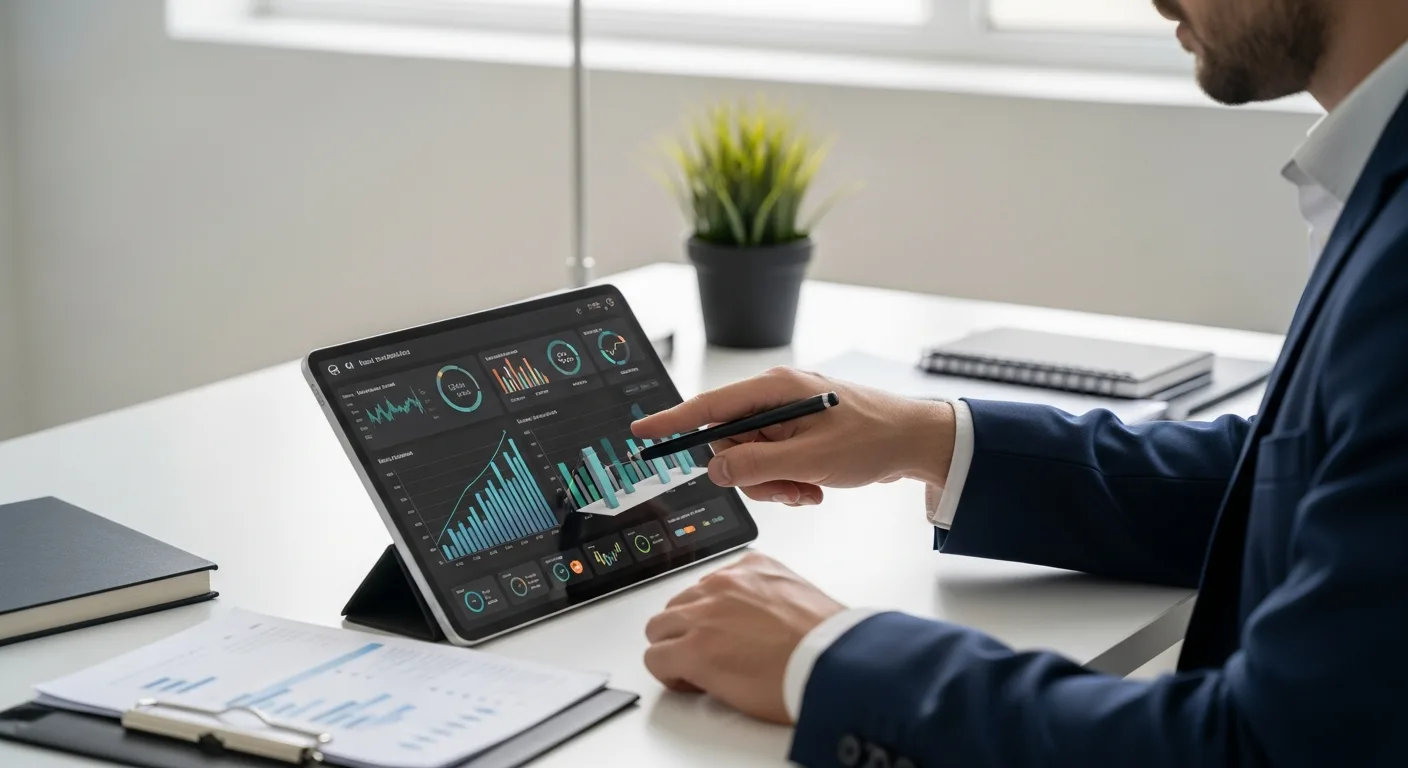
In 2026, the distinction between “doing the books” and “running the business” has vanished. A modern ERP integrates financial data with every other department—from the warehouse to the sales floor. This ensures that when a manager looks at his dashboard, he isn’t seeing data from last month; he is seeing the pulse of his organization in real-time.
Core Features of Modern Accounting ERP Systems
The best systems today go far beyond simple debits and credits. They act as a single source of truth for the entire enterprise. Here are the non-negotiable features a financial leader should look for:
- Automated Revenue Recognition: No more manual calculations for complex contracts or subscriptions. The system handles compliance with evolving global standards automatically.
- Multi-Entity and Global Consolidation: For the executive managing international branches, the ERP handles currency conversions and local tax laws without breaking a sweat.
- Predictive Cash Flow Analytics: Using historical data, the system alerts a treasurer to potential shortfalls months before they occur.
- Real-Time Audit Trails: Every transaction is logged with a digital fingerprint, making the annual audit a breeze for any controller.
Why Standalone Software No Longer Cuts It
Small businesses often start with basic accounting tools, but as complexity grows, those tools become bottlenecks. When a CEO finds his team manually entering data from the CRM into the accounting software, he knows he has a problem. This fragmentation leads to errors, delays, and a lack of visibility.
Transitioning to an integrated platform eliminates these silos. Understanding the nuances in an erp and accounting software comparison helps a leader decide exactly when his business has outgrown basic tools and needs the robust architecture of an Enterprise Resource Planning system.
The Role of AI and Hyper-Automation
We have moved past simple automation. In 2026, accounting ERP systems utilize hyper-automation to handle repetitive tasks like invoice processing and expense matching. An accountant no longer spends his day typing; he spends it as an analyst, interpreting the data the AI has already cleaned and organized.
Machine learning algorithms now flag anomalies that a human eye might miss. If a vendor submits a duplicate invoice or a transaction looks suspicious, the system alerts the financial manager immediately. This proactive stance on fraud and error prevention is a cornerstone of modern financial health.
Implementing an ERP for Financial Success
Choosing the right system is only half the battle; the other half is implementation. A successful rollout requires a clear strategy. A project manager must ensure that his team is trained and that data migration is handled with surgical precision. Moving from a legacy system to a cloud-based ERP is a significant shift in how a company operates.
Staying ahead of the latest accounting erp benefits trends 2026 ensures that a financial controller maximizes his return on investment. By adopting features like touchless transactions and natural language processing for financial reporting, he positions his company to scale without adding unnecessary headcount.
Choosing the Right Vendor
Not all ERPs are created equal. Some are built for heavy manufacturing, while others excel in professional services. A buyer must evaluate a vendor based on their industry-specific modules. He should ask for a proof of concept that demonstrates how the system handles his specific tax requirements and reporting needs. In 2026, flexibility is the most valuable currency; the system must be able to grow as the business evolves.
Frequently Asked Questions
What is the main difference between accounting software and an ERP?
Accounting software focuses strictly on financial transactions like AP, AR, and the general ledger. An ERP integrates those financial functions with other business processes like supply chain, HR, and sales, providing a holistic view of the company.
Can a small business benefit from an accounting ERP?
Yes. Many modern ERPs offer modular pricing, allowing a small business owner to start with core financial features and add more complexity as his company grows. This prevents the need for a painful software migration later on.
How does an ERP improve financial compliance?
ERPs have built-in rules for various tax jurisdictions and accounting standards (like GAAP or IFRS). They automatically update to reflect new regulations, ensuring the user remains compliant without manual intervention.
Is cloud-based or on-premise ERP better for accounting?
In 2026, cloud-based systems are the standard. They offer better security, automatic updates, and allow a financial officer to access critical data from anywhere in the world.