Why ERP for Manufacturing Industry is No Longer Optional in 2026?
The End of Spreadsheet-Based Manufacturing
A manufacturing plant operating without a centralized system is a ticking time bomb of missed deadlines and wasted materials. He knows the frustration of checking three different spreadsheets just to find out if a specific raw material is in stock. ERP for manufacturing industry isn’t just a software upgrade; it is the backbone of a modern factory. By the time a manager realizes his data is siloed, he has likely already lost thousands in operational inefficiencies.
In 2026, the speed of production demands instant answers. If he cannot track a work order from the moment it is placed to the second it leaves the shipping dock, he is flying blind. A robust ERP system integrates every department—from the warehouse to the front office—ensuring that he has a single source of truth to make high-stakes decisions.
Real-Time Visibility Across the Shop Floor
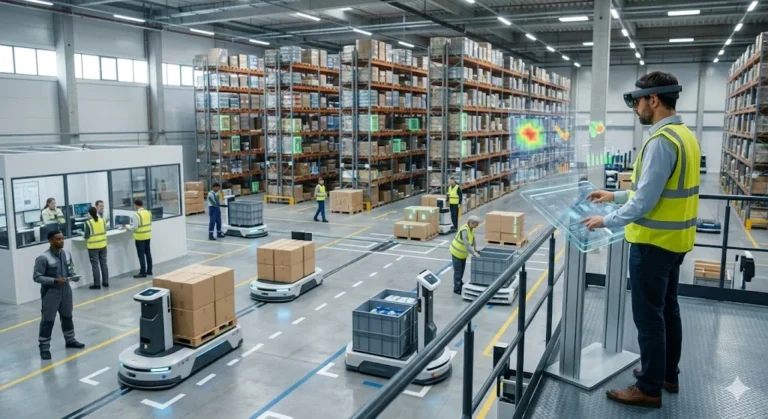
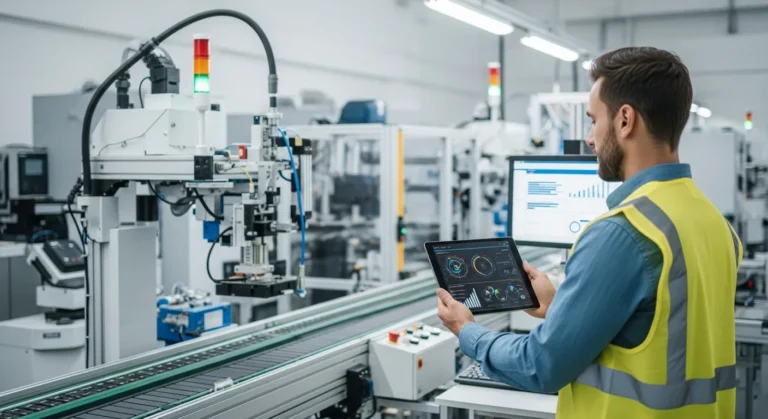
Visibility is the primary weapon of a successful plant manager. When he implements a dedicated ERP, he gains a bird’s-eye view of his entire operation. He can see which machines are running at peak capacity and which ones are idling due to maintenance issues. This level of transparency allows him to pivot quickly when a rush order comes in or a supply chain disruption occurs.
- Live Production Tracking: He monitors progress in real-time, reducing the need for manual status updates.
- Resource Allocation: He ensures that his best technicians are assigned to the most complex tasks without overbooking them.
- Bottleneck Identification: He spots delays before they halt the entire line, allowing for immediate corrective action.
By maximizing manufacturing ERP software benefits, he transforms his facility from a reactive environment into a proactive powerhouse. He no longer waits for end-of-month reports to see where he lost money; he sees it happening in real-time and stops the bleed.
Optimizing Supply Chain and Inventory Control
Inventory is often a manufacturer’s largest expense and his biggest headache. Carrying too much stock ties up his capital, while carrying too little leads to dreaded stockouts. An ERP for the manufacturing industry automates the reordering process based on actual production demand rather than guesswork.
He can set automated triggers that notify his procurement team the moment raw materials dip below a certain threshold. Furthermore, the system tracks lead times from various suppliers, helping him choose the most reliable partner for his specific needs. This precision ensures that his production schedule remains uninterrupted, keeping his customers satisfied and his margins healthy.
Production Planning and Scheduling Precision
Mastering the production schedule is an art form that requires balancing labor, machinery, and materials. Without an ERP, he is forced to rely on memory or outdated whiteboards. With it, he can run “what-if” scenarios to see how a new project will impact his existing commitments.
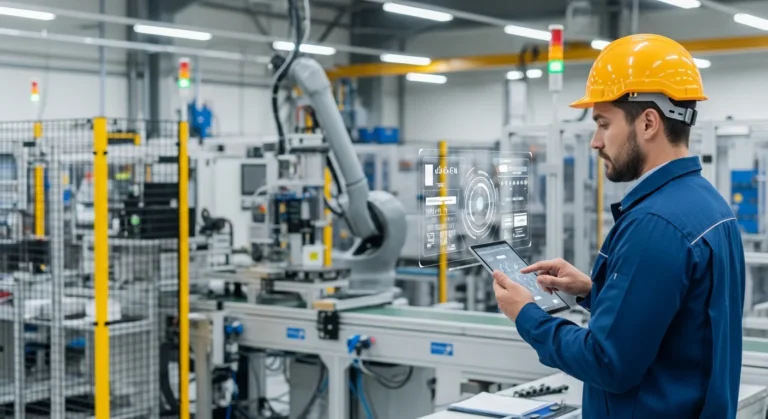
He must also consider how effective ERP integration strategies will connect his legacy hardware with modern cloud analytics. This connectivity allows his machines to communicate directly with the ERP, feeding data on cycle times and scrap rates directly into his reports. He can then refine his schedules to account for the actual performance of his equipment, rather than theoretical benchmarks.
Quality Control and Regulatory Compliance
For the manufacturer, quality is his reputation. An ERP system builds quality checks directly into the production workflow. He can mandate that a technician records specific measurements at various stages of assembly. If a part falls outside of the acceptable tolerance, the system can automatically halt the process, preventing a batch of defective products from reaching the shipping bay.
Compliance is another area where he cannot afford to fail. Whether he is dealing with ISO standards or industry-specific regulations, the ERP maintains a digital paper trail of every action taken on the shop floor. When an auditor arrives, he can generate the necessary reports in minutes, proving that his processes meet every safety and quality requirement.
Reducing Operational Costs and Boosting ROI
The ultimate goal for any business owner is a healthier bottom line. By eliminating manual data entry, he reduces the risk of human error, which can be incredibly costly in a high-precision environment. He also reduces labor costs by automating repetitive administrative tasks, allowing his team to focus on high-value production work.
The ROI of an ERP for the manufacturing industry is found in the small wins: a 5% reduction in scrap, a 10% improvement in machine uptime, and a 15% faster order-to-cash cycle. Over a year, these improvements represent a massive increase in his total profitability. He isn’t just buying software; he is investing in the future scalability of his business.
Frequently Asked Questions
What is the main difference between a general ERP and a manufacturing ERP?
A manufacturing ERP includes specific modules for Bill of Materials (BOM), shop floor control, and Master Production Scheduling (MPS) that a general business ERP lacks. It is designed to handle the complexities of turning raw materials into finished goods.
How long does it take for a manufacturer to see a return on investment?
Most manufacturers begin to see significant cost savings within 12 to 18 months. He will notice immediate improvements in data accuracy and inventory management, followed by long-term gains in production efficiency.
Can an ERP handle custom or make-to-order manufacturing?
Yes, modern ERP systems are highly flexible. He can use them to manage unique configurations, track custom parts, and estimate costs for one-off projects with high precision.
Is cloud-based ERP better for a small manufacturer?
Cloud-based systems are often ideal for him because they require less upfront investment in hardware and IT staff. He can access his data from anywhere, and the software provider handles all security updates and backups.