
How Does ERP Software Transform Construction Project Management and Profitability?
The Shift Toward Integrated Construction Management
In the high-stakes world of construction, a contractor often finds himself juggling dozens of moving parts simultaneously. From fluctuating material costs to labor shortages and tight deadlines, the margin for error is razor-thin. By 2026, the reliance on fragmented spreadsheets and manual data entry has become a liability. To stay competitive, a business owner must centralize his operations. This is where ERP software for the construction industry becomes an essential asset rather than a luxury.
Unlike generic business suites, a construction-specific ERP is designed to handle the unique lifecycle of a build. It bridges the gap between the field office and the corporate headquarters, ensuring that every stakeholder has access to a single source of truth.
Solving the Fragmentation Problem
One of the greatest challenges a project manager faces is data silos. When his accounting team uses one system and his site supervisors use another, communication breakdowns are inevitable. An ERP system integrates these functions into a unified platform. This integration allows a manager to track his project’s health in real-time, preventing the dreaded ‘budget creep’ that often occurs when financial data lags behind physical progress.
Real-Time Financial Visibility
Job costing is the heartbeat of any successful firm. With an ERP, a financial officer can see exactly how much has been spent on labor, materials, and overhead against his original estimate. Because the system updates as soon as a foreman submits a daily report, the executive can make informed decisions before a minor overage turns into a major loss.
Core Modules That Drive Efficiency
Modern ERP solutions are modular, allowing a company leader to scale the software as his business grows. Several key modules are particularly vital for the construction sector:
- Project Management: Centralizes scheduling, RFIs, submittals, and change orders.
- Financials & Accounting: Handles payroll, progress billing, and tax compliance across different jurisdictions.
- Inventory & Procurement: Tracks material deliveries and ensures that the right supplies are on-site exactly when needed.
- Equipment Management: Helps a fleet manager maximize his ROI by tracking maintenance schedules and equipment management software benefits such as reduced downtime and lower fuel consumption.
Streamlining the Sales-to-Project Pipeline
Before a shovel hits the ground, the relationship starts with a bid. Integrating a robust contractor CRM within the ERP framework ensures that the transition from a lead to an active project is seamless. A business development manager can track his win rates and ensure that all promises made during the bidding phase are documented and handed off to the operations team without loss of detail.
The Role of Cloud and Mobile Access in 2026
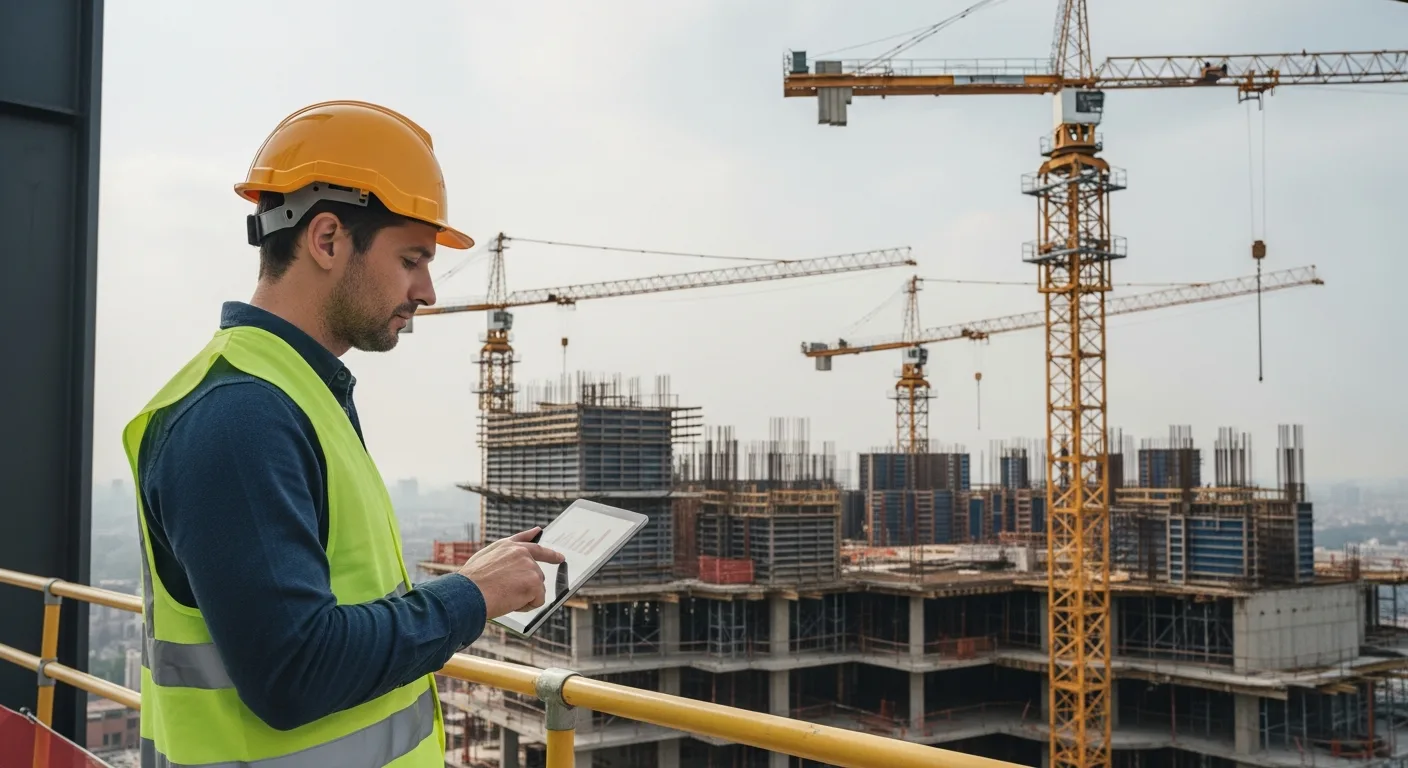
The construction site is no longer tethered to a desktop. In 2026, the most effective ERP systems are cloud-native, providing a foreman with the ability to update a project’s status directly from his tablet while standing on the 20th floor of a new development. This mobility ensures that the data being analyzed at the main office is as fresh as the concrete being poured on-site.
Furthermore, cloud-based ERPs offer superior security and disaster recovery. A company owner no longer needs to worry about losing his critical project documents to a localized server failure; his data is backed up and accessible from anywhere he has an internet connection.
Overcoming the Hurdles of Implementation
Transitioning to a new ERP is a significant undertaking. A CEO must lead this change by ensuring his team understands the long-term value of the new system. Resistance often stems from a lack of training. To succeed, he should appoint ‘super users’ within each department who can mentor their peers and troubleshoot minor issues during the rollout phase.
Selecting a vendor that understands the specific nuances of the construction industry—such as union payroll or multi-state compliance—is equally critical. A generic ERP might require extensive and expensive customization, whereas an industry-specific solution is ready to work for him out of the box.
Frequently Asked Questions
What is the main benefit of ERP for a construction company?
The primary benefit is centralized data. It allows a business owner to see a holistic view of his entire operation, from bidding and procurement to project execution and final billing, all in one place.
How does ERP help with job costing?
ERP software automates the collection of costs from various sources—labor hours, material invoices, and equipment usage. This gives a project manager an immediate comparison between his actual costs and his estimated budget.
Is ERP software suitable for small contractors?
Yes. Many modern ERP providers offer tiered pricing and modular structures, allowing a smaller contractor to implement the core features he needs now and add more complex modules as his company expands.
Can ERP software help with safety compliance?
Absolutely. A safety officer can use the ERP to track certifications, manage safety inspections, and ensure that every worker on his site has the necessary permits and training, reducing the risk of costly fines or accidents.