ERP vs Cloud ERP: Which Deployment Model Wins in 2026?
The Architecture Dilemma: On-Premise vs. Cloud
Choosing between traditional on-premise ERP and Cloud ERP isn’t just a technical decision; it is a fundamental choice about how a business owner manages his data, his capital, and his team’s time. While both systems aim to centralize business processes, the way they live and breathe within an organization is worlds apart.
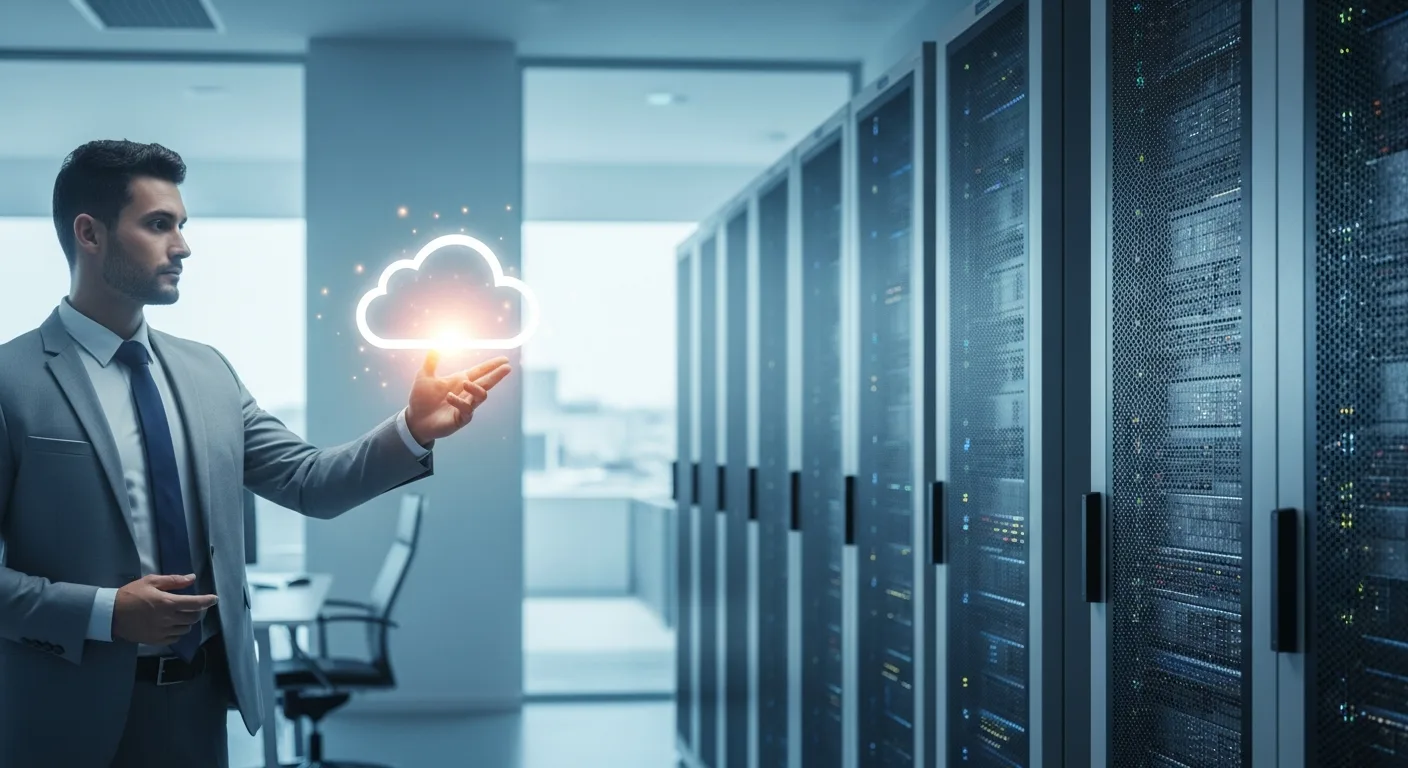
In the traditional on-premise model, a man installs the software on his own local servers. He owns the hardware, manages the security, and is responsible for every update. Conversely, Cloud ERP (SaaS) is hosted on the vendor’s servers and accessed via the internet. The vendor handles the maintenance, leaving the business leader free to focus on growth rather than server rack temperatures.
Cost Structures: Upfront Investment vs. Subscription
The financial impact is often the first thing a CFO examines. On-premise ERP requires a massive Capital Expenditure (CapEx). He must pay for perpetual licenses, high-end server hardware, and the physical space to house them. He also needs a dedicated IT team to keep the system running 24/7.
Cloud ERP flips this script into an Operational Expenditure (OpEx). Instead of a giant check upfront, he pays a monthly or annual subscription fee. This model is highly attractive for those who want to preserve cash flow. Understanding the synergy between ERP and cloud computing is essential for any executive looking to modernize his operations without the burden of heavy hardware debt.
Deployment Speed and Implementation
Time is a resource no man can afford to waste. On-premise deployments are notorious for being slow. Between procuring hardware, setting up the network, and manual installation, it can take months—or even a year—to go live. If he needs to scale, he has to buy more servers and repeat the process.
Cloud ERP is built for speed. Since the infrastructure is already live, deployment focuses on configuration and data migration. A business can often be up and running in a fraction of the time. Before migrating, he should consult a comprehensive ERP integration guide to ensure his existing tech stack remains functional during the transition.
Security, Control, and Data Ownership
This is where the debate gets heated. A traditionalist often feels safer knowing his data is physically located in the room next to him. He has total control over his security protocols and access levels. However, this also means he is solely responsible if a breach occurs or if a hard drive fails without a backup.
Cloud ERP providers, such as Oracle or SAP, invest billions in enterprise-grade security that most small-to-medium business owners could never afford on their own. They offer redundant backups, biometric security at data centers, and constant monitoring. While he gives up physical control of the server, he gains a level of professional protection that is difficult to replicate in-house.
Scalability and Future-Proofing in 2026
As a business grows, its software must keep pace. If a man expands his manufacturing plant or opens new distribution centers, his ERP must handle the increased load.
- On-Premise: Scaling requires manual hardware upgrades and often significant downtime.
- Cloud: Scaling is usually as simple as changing a subscription tier or adding more users with a few clicks.
In 2026, the ability to pivot quickly is a competitive advantage. Cloud ERP allows a leader to deploy new modules—like AI-driven analytics or advanced supply chain tracking—almost instantly, whereas on-premise systems often require complex, manual patches that can break custom integrations.
Making the Final Decision
The choice depends on his specific needs. If he operates in a highly regulated industry with strict data residency requirements, on-premise might be his only legal option. However, for the vast majority of modern enterprises, the Cloud ERP model offers superior flexibility, lower entry costs, and better long-term reliability.
Frequently Asked Questions
Is Cloud ERP more expensive in the long run?
While subscription fees add up over years, they often remain lower than the total cost of ownership for on-premise systems, which includes electricity, cooling, IT salaries, and hardware replacement cycles every 5 years.
Can I customize Cloud ERP as much as On-Premise?
Historically, on-premise was more customizable. However, modern Cloud ERPs use robust APIs and low-code platforms that allow a man to tailor the system to his specific business logic without compromising the ability to receive automatic updates.
What happens if the internet goes down?
If his internet is down, he cannot access a Cloud ERP. However, with 5G and redundant fiber connections, this risk is minimal. Most modern businesses are already paralyzed without internet regardless of where their ERP sits.