Which ERP Should Your Manufacturing Plant Use in 2026?
The High Stakes of Manufacturing Software Selection
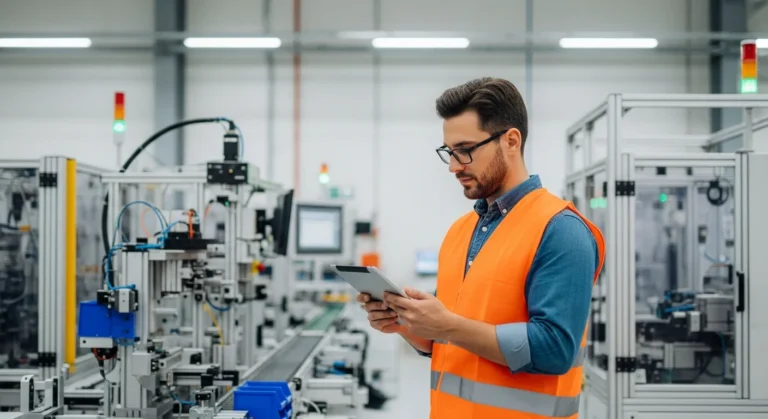
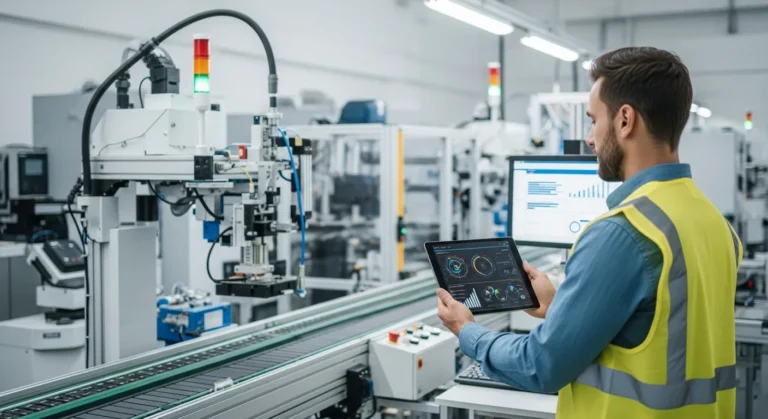
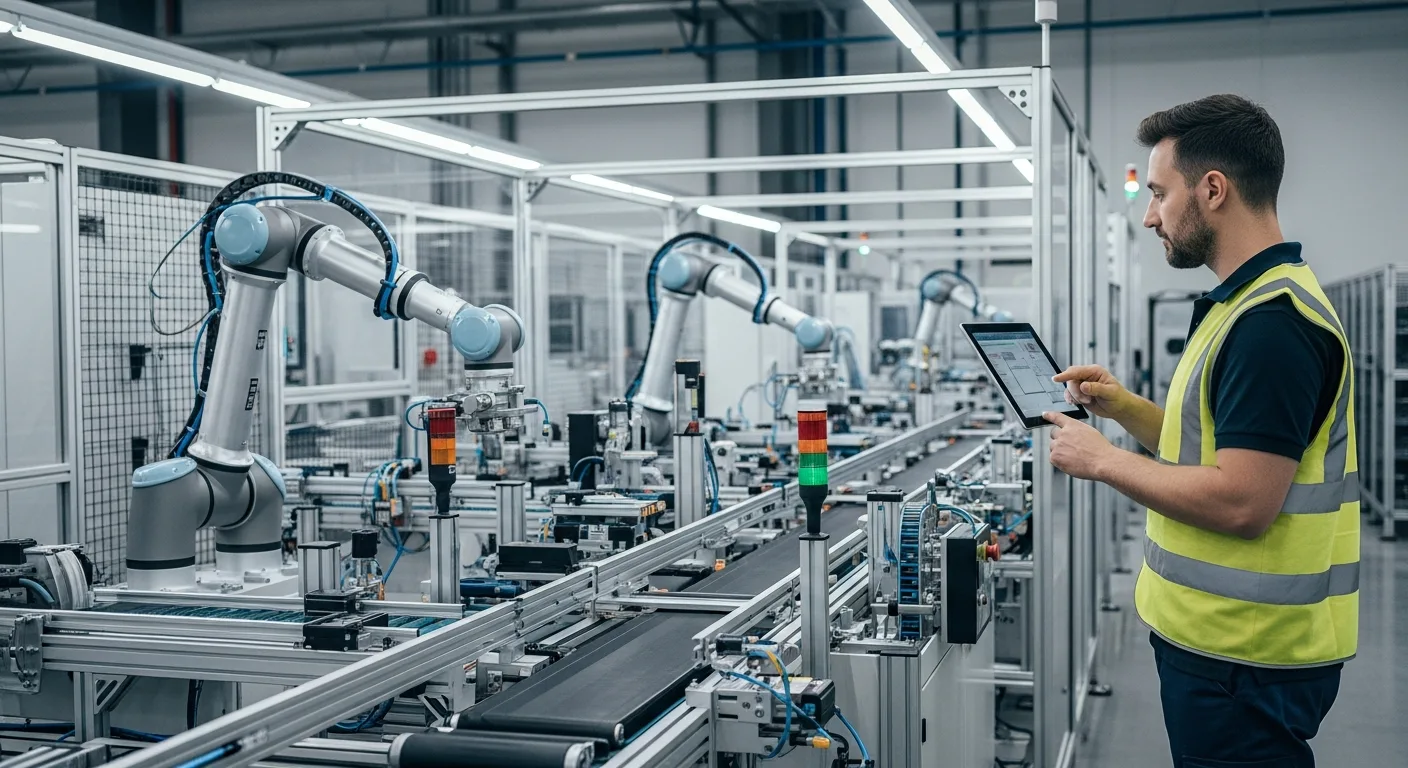
A manufacturer doesn’t just need a database; he needs a nervous system. In 2026, the gap between a shop floor running on spreadsheets and one powered by a robust ERP is no longer just a matter of convenience—it is the difference between profitability and obsolescence. When a manager looks at his production line, he needs to know exactly where every bolt is, how much energy is being consumed, and when a machine is likely to fail before it actually does.
The best ERP for manufacturing isn’t necessarily the one with the most features, but the one that aligns with his specific production style, whether that is discrete, process, or mixed-mode. Choosing the wrong system can lead to years of technical debt and operational friction.
Top ERP Contenders for 2026
The market has consolidated around a few powerhouses that have successfully integrated AI and IoT into their core architecture. Here are the leaders he should consider for his operations.
1. Epicor Kinetic: Built for the Shop Floor
Epicor has long been a favorite for mid-market manufacturers because it was built specifically for them. Unlike generic ERPs that require heavy customization to understand a Bill of Materials (BOM), Kinetic handles complex configurations out of the box. It excels in discrete manufacturing, offering deep visibility into production scheduling and shop floor data collection.
2. Oracle NetSuite: Scaling with Agility
For the manufacturer who is growing rapidly and needs a cloud-native solution, NetSuite remains a top choice. It provides a unified view of the business, from the front office to the warehouse. While it started as an accounting tool, its manufacturing modules now support sophisticated demand planning and supply chain management. If he is looking for maximizing shop floor output through better resource allocation, NetSuite’s real-time analytics are hard to beat.
3. SAP S/4HANA: The Enterprise Standard
For global operations with massive complexity, SAP is the undisputed heavyweight. It offers unparalleled depth in regulatory compliance and multi-site management. However, he should be prepared for a significant implementation timeline. SAP is best suited for the executive who requires a rigid, highly structured environment where every process is standardized across continents.
4. Acumatica: Flexibility and Modern Tech
Acumatica has gained significant ground by offering a unique consumption-based pricing model. This allows a manufacturer to scale his user count without a linear increase in costs. It is highly adaptable and plays well with third-party applications. For a detailed breakdown of how this system handles modern workflows, he can refer to this comprehensive Acumatica review to see if it fits his specific technical requirements.
Critical Features Every Manufacturer Needs
When evaluating these platforms, he must look beyond the marketing gloss and focus on these three pillars of modern production:
- Advanced Planning and Scheduling (APS): The system must be able to handle finite capacity scheduling, accounting for machine downtime, labor shifts, and material availability simultaneously.
- Quality Management Systems (QMS): Quality shouldn’t be an afterthought. The ERP should trigger inspections at specific production stages and maintain a full audit trail for compliance.
- Real-Time Inventory Tracking: In 2026, “near real-time” isn’t enough. He needs a system that uses RFID or IoT sensors to update stock levels the moment a part moves.
Avoiding the Implementation Trap
Most ERP failures aren’t caused by bad software; they are caused by poor preparation. A manufacturer must document his current processes before he even looks at a demo. If he tries to pave over a messy workflow with expensive software, he will simply end up with a faster, more expensive mess. He should appoint a dedicated internal lead—someone who understands both the IT side and the grease-on-the-hands reality of the factory floor—to steer the project.
Frequently Asked Questions
What is the average cost of a manufacturing ERP?
Costs vary wildly based on the number of users and modules. For a mid-sized manufacturer, he can expect to spend anywhere from $50,000 to $250,000 in the first year, including licensing and implementation fees.
How long does it take to implement a new ERP?
A typical implementation for a manufacturing plant takes between 6 to 18 months. Smaller, cloud-based deployments can be faster, while enterprise-level shifts like SAP often take longer due to data migration and training requirements.
Should I choose On-Premise or Cloud ERP?
In 2026, the trend is heavily toward the cloud for better security and easier updates. However, if his facility is in a remote area with unreliable internet, an on-premise or hybrid solution may still be the safer bet to ensure the production line never stops.
Can an ERP help with sustainability goals?
Yes. Modern ERPs track energy usage, waste reduction, and carbon footprints. This allows a manager to report on ESG metrics accurately and identify areas where he can reduce material waste, directly impacting his bottom line.