Why Material Management Software is the Backbone of Modern Logistics
Defining the Role of Material Management Software in Modern Operations
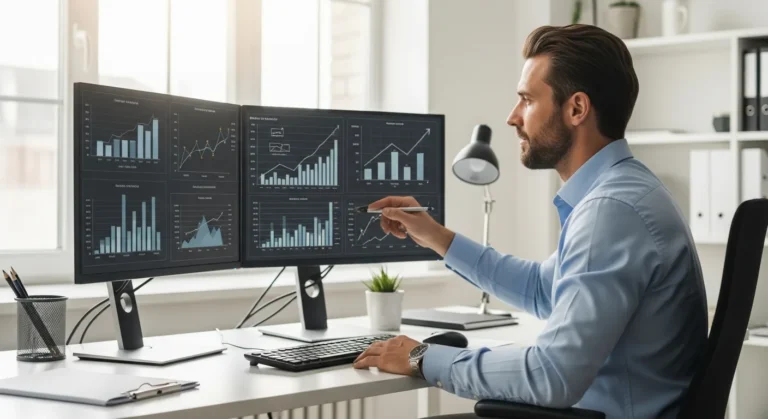
In the fast-paced landscape of 2026, the efficiency of a supply chain often dictates the success of an entire enterprise. Material management software has evolved from a simple tracking tool into a sophisticated nervous system for industrial operations. It serves as the primary interface where a procurement manager oversees the lifecycle of goods, from raw material acquisition to the final delivery of finished products. By centralizing data, he can eliminate the silos that traditionally hinder communication between the warehouse and the purchasing department.
The primary objective of this software is to ensure that the right materials are available at the right time, in the right quantity, and at the right cost. When a logistics coordinator utilizes these digital tools, he gains the ability to forecast demand with high precision, reducing the overhead costs associated with excess inventory while preventing the production delays caused by shortages.
Essential Features of Advanced Material Management Systems
Selecting the right platform requires an understanding of the core functionalities that drive ROI. Modern systems are no longer just databases; they are proactive analytical engines. Key features include:
- Automated Procurement: The system can automatically generate purchase orders when stock levels hit a predefined threshold, allowing the buyer to focus on strategic vendor relationships rather than manual data entry.
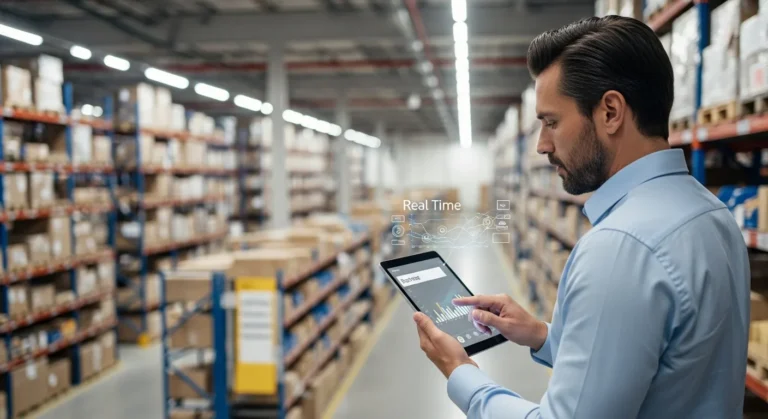
- Real-Time Inventory Tracking: Utilizing IoT and RFID integration, the software provides a live view of every item in the facility, ensuring the manager knows exactly what he has on hand at any given second.
- Vendor Performance Analytics: By tracking lead times and quality metrics, the system helps the procurement officer identify which suppliers are consistently meeting his standards.
- Cloud-Based Collaboration: Modern platforms allow the operator to access critical data from any location, ensuring that he can make informed decisions even when he is away from his desk.
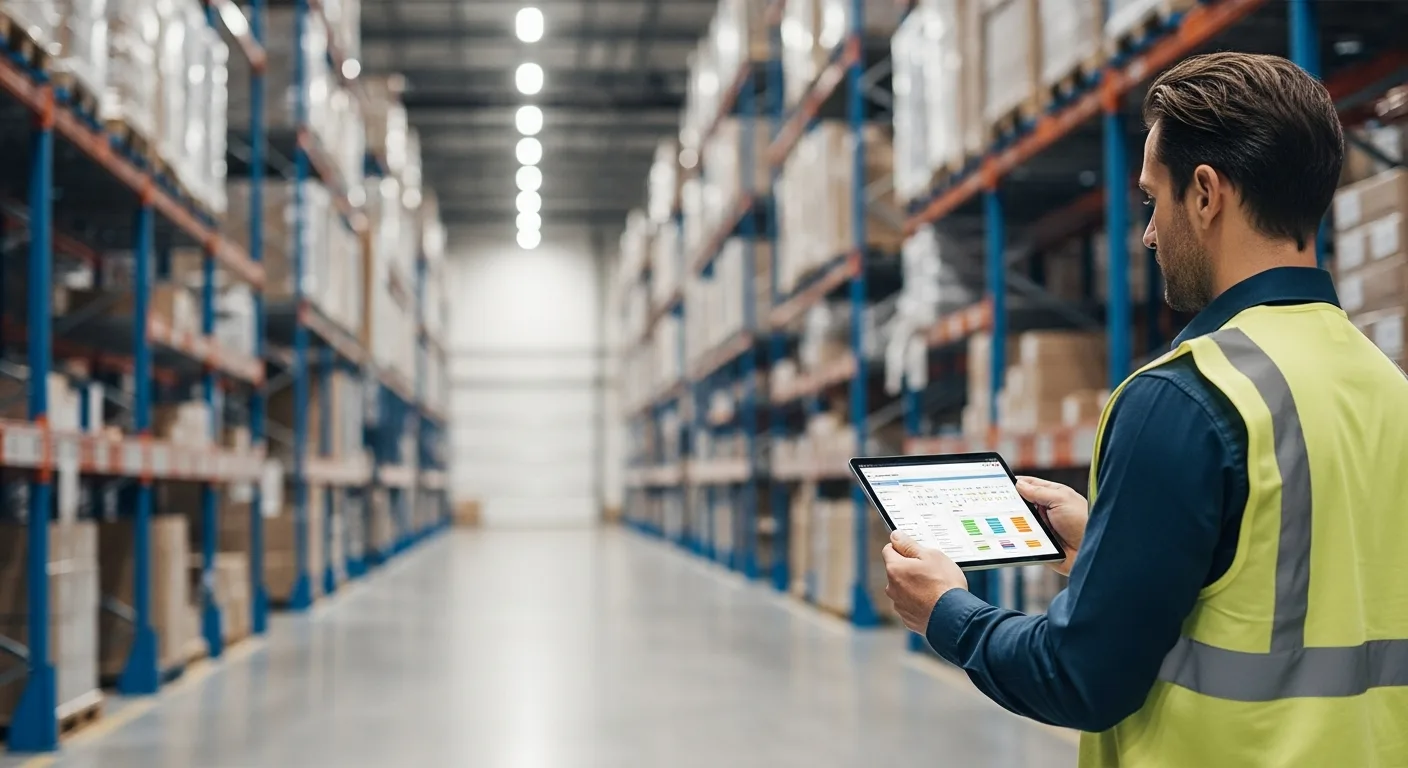
Integrating these capabilities with top-tier warehouse platforms ensures that the flow of information remains uninterrupted across the entire logistics chain.
How a Manager Optimizes His Supply Chain Using Digital Tools
The implementation of material management software fundamentally changes how a professional approaches his daily tasks. Instead of reacting to crises, he can adopt a proactive stance. For instance, by analyzing historical data trends, he can anticipate seasonal fluctuations and adjust his procurement strategy months in advance.
Furthermore, achieving precision through manufacturing inventory optimization strategies allows the operator to minimize waste. In capital-intensive industries, reducing the “dead stock” on his shelves by even a few percentage points can result in millions of dollars in saved capital. This level of control is only possible when the manager has a unified view of his resources provided by a robust software solution.
The Strategic Benefits of Implementation
Beyond simple organization, the strategic advantages of adopting high-end material management software are profound. Cost reduction is the most immediate benefit, as the software identifies inefficiencies in the purchasing process. Additionally, the software improves compliance and traceability. In the event of a quality issue, the manager can instantly trace a specific batch of materials back to the original supplier, protecting his company from liability and ensuring a swift resolution.
Moreover, the use of AI-driven insights in 2026 allows the user to simulate various supply chain scenarios. He can test how a potential disruption in a specific region might affect his production schedule, allowing him to develop robust contingency plans before a problem even arises.
Frequently Asked Questions
What is the difference between ERP and material management software?
While an ERP (Enterprise Resource Planning) system covers all aspects of a business, including HR and finance, material management software focuses specifically on the movement, storage, and procurement of physical goods. Often, the latter is a specialized module within or an integration for the former.
Can this software help with sustainability goals?
Yes. By optimizing order quantities and reducing waste, the manager ensures that he is not over-ordering resources. This efficiency leads to a smaller carbon footprint and more sustainable resource consumption across the organization.
Is material management software suitable for small businesses?
Absolutely. While large enterprises have complex needs, a small business owner can benefit significantly from the organization and automation these tools provide, helping him scale his operations without a proportional increase in administrative staff.
How does it improve vendor relationships?
The software provides objective data on vendor performance. When a manager meets with a supplier, he can present clear reports on delivery times and material quality, leading to more transparent and professional negotiations.