Why Your Business Needs Energy Management Software to Stay Competitive
The Evolution of Energy Management Software in the Modern Enterprise
In the current landscape of 2026, energy is no longer just a utility bill; it is a strategic asset. Energy management software has evolved from simple tracking tools into sophisticated AI-driven platforms that allow a business leader to visualize his entire carbon footprint in real-time. As global regulations tighten, the ability to monitor, analyze, and optimize power consumption has become a prerequisite for survival in the industrial and commercial sectors.
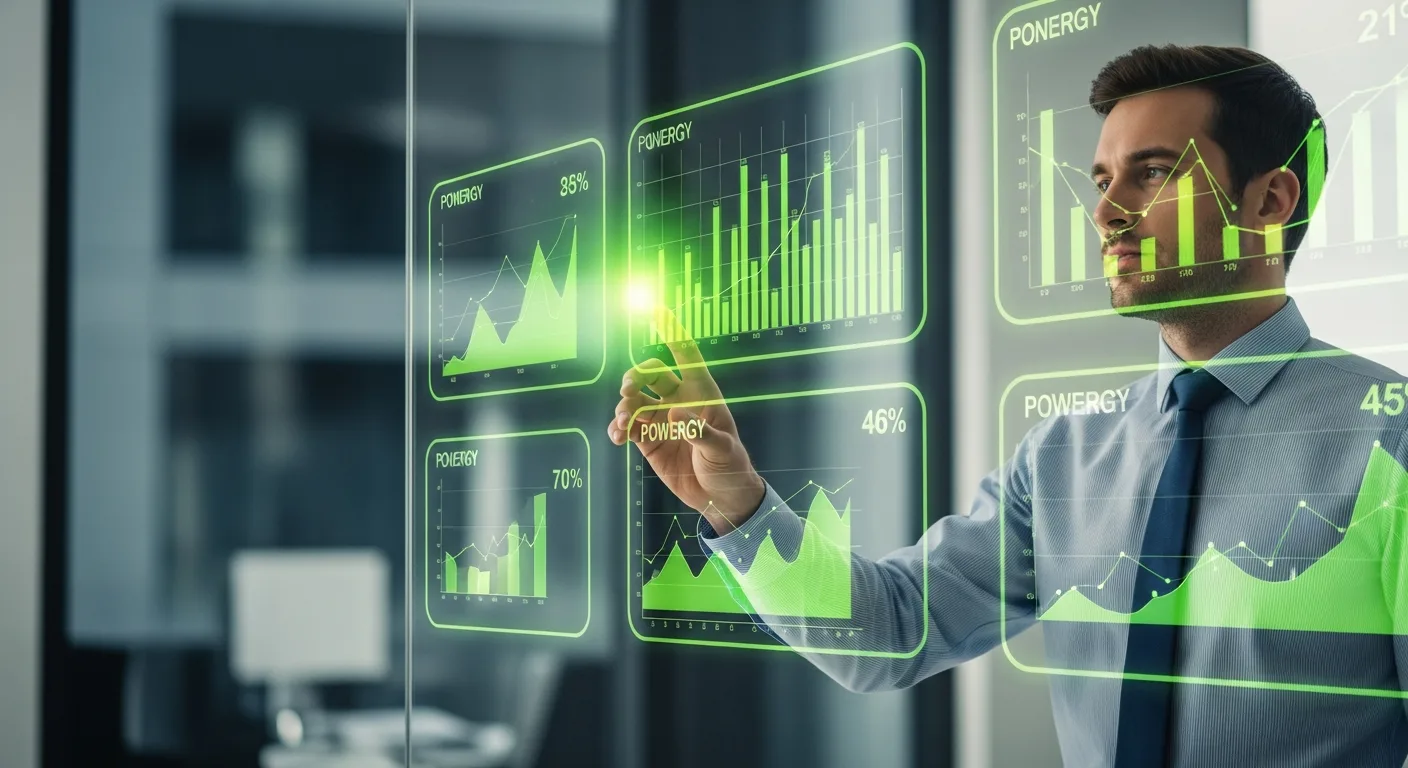
A facility manager often finds himself overwhelmed by fragmented data coming from various sensors and meters. Modern software solutions bridge this gap by aggregating disparate data points into a single, intuitive dashboard. This allows him to identify inefficiencies that were previously invisible, such as peak demand surges or equipment malfunctions that drain power unnecessarily.
Core Features of High-Performance Energy Platforms
When evaluating which platform to implement, a technical director must look beyond basic reporting. The most effective systems utilize machine learning to predict future consumption patterns based on historical data and external factors like weather forecasts.
- Real-Time Monitoring: Instant visibility into power usage across multiple sites.
- Automated Reporting: Generating compliance-ready documents for ESG (Environmental, Social, and Governance) standards.
- Predictive Analytics: Identifying when a machine is likely to fail by analyzing its energy signature.
- Cost Allocation: Assigning energy costs to specific departments or production lines accurately.
By leveraging specialized tools for energy procurement, a manager can secure better rates by understanding his load profile before entering negotiations. This proactive approach ensures he is not at the mercy of volatile market fluctuations.
How Energy Management Software Drives Operational Efficiency
The primary goal of any energy strategy is the reduction of waste. For an operations engineer, this means fine-tuning the HVAC systems, lighting, and heavy machinery to operate only when necessary. Energy management software provides the granular data he needs to implement automated setpoints.
For instance, if he notices that a specific assembly line consumes 20% more power on Tuesdays, he can investigate whether it is a mechanical issue or a scheduling inefficiency. When he integrates these insights with precise electrical estimation workflows, the bottom line improves significantly because he can forecast operational overhead with surgical precision.
The Role of AI in 2026 Energy Strategies
Artificial Intelligence has transformed energy software from a passive observer into an active participant. In 2026, these systems don’t just tell a technician what happened; they tell him what to do. AI algorithms can automatically shift heavy loads to off-peak hours, saving thousands of dollars in demand charges without requiring manual intervention from the staff.
A sustainability officer can use these tools to simulate different scenarios. He might model the impact of installing solar panels or upgrading to high-efficiency motors before making a capital investment. This data-driven decision-making process reduces risk and ensures that his budget is spent where it will have the greatest impact on both the environment and the company’s profitability.
Frequently Asked Questions
What is the main benefit of energy management software?
The primary benefit is the reduction of energy costs through improved visibility and control. It allows a user to identify waste, optimize equipment schedules, and reduce peak demand charges.
Can this software help with carbon footprint reporting?
Yes, most modern platforms automatically track greenhouse gas emissions and generate reports that comply with international sustainability standards, helping a director meet his corporate responsibility goals.
Is it difficult to integrate with existing hardware?
Most 2026-era energy management software is designed to be hardware-agnostic. It can typically connect to existing smart meters, IoT sensors, and building automation systems via standard protocols.
Does it provide a fast return on investment?
Many businesses see an ROI within 12 to 24 months. By identifying simple operational changes, a manager can often achieve immediate savings that cover the software’s subscription cost.