Which ERP Software Actually Delivers for Manufacturers in 2026?
The High Stakes of Manufacturing Software Selection
Manufacturing isn’t just about making things anymore; it’s about managing data at the speed of light. If a plant manager can’t see his inventory levels in real-time or track a work order through every stage of production, he is already losing money to his competitors. The best ERP software for manufacturing acts as the central nervous system of a factory, connecting the front office to the shop floor without friction.
In 2026, the gap between legacy systems and modern, AI-integrated platforms has become a chasm. A manufacturer who relies on outdated spreadsheets or disconnected modules will find his lead times stretching and his margins shrinking. He needs a solution that handles complex Bill of Materials (BOM), demand forecasting, and shop floor execution in a single pane of glass.
Top ERP Contenders for Modern Factories
Choosing the right platform depends heavily on the scale of operations and the specific niche, whether it’s discrete manufacturing or process-based production. Here are the frontrunners that have proven their worth this year:
- SAP S/4HANA: Still the gold standard for global enterprises. It offers unparalleled depth in supply chain analytics and predictive maintenance. For the executive who needs to manage multiple international sites, SAP provides the robust framework required to keep operations synchronized.
- Oracle NetSuite: The preferred choice for mid-market manufacturers looking for cloud-native flexibility. It excels in financial management and offers a modular approach, allowing a business owner to add features as he scales his production capacity.
- Epicor Kinetic: Built specifically for manufacturers, Epicor understands the nuances of the shop floor. It offers deep functionality for job costing and inventory control without the need for heavy customization.
- Microsoft Dynamics 365 Supply Chain Management: This platform is ideal for those already embedded in the Microsoft ecosystem. Its ability to leverage Power BI for data visualization helps a manager spot bottlenecks before they halt production.
Why Shop Floor Integration Changes Everything
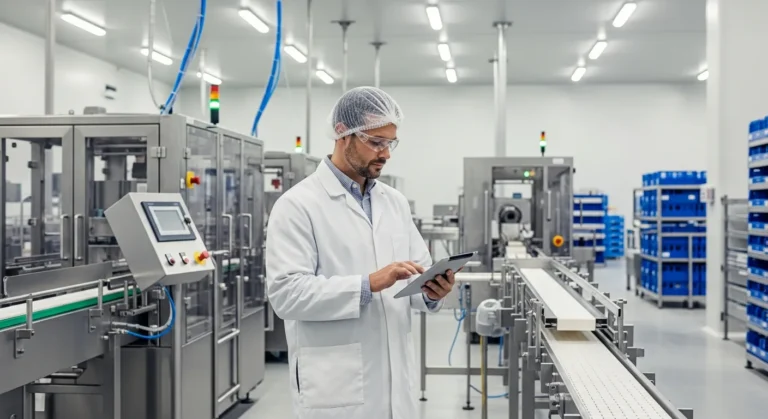
A common mistake many leaders make is treating the ERP as a purely financial tool. While accounting is vital, the true power of a manufacturing ERP lies in its ability to talk to the machines. When a technician completes a run, the system should automatically update inventory and trigger the next stage of the workflow. This level of manufacturing ERP software efficiency ensures that no time is wasted on manual data entry.
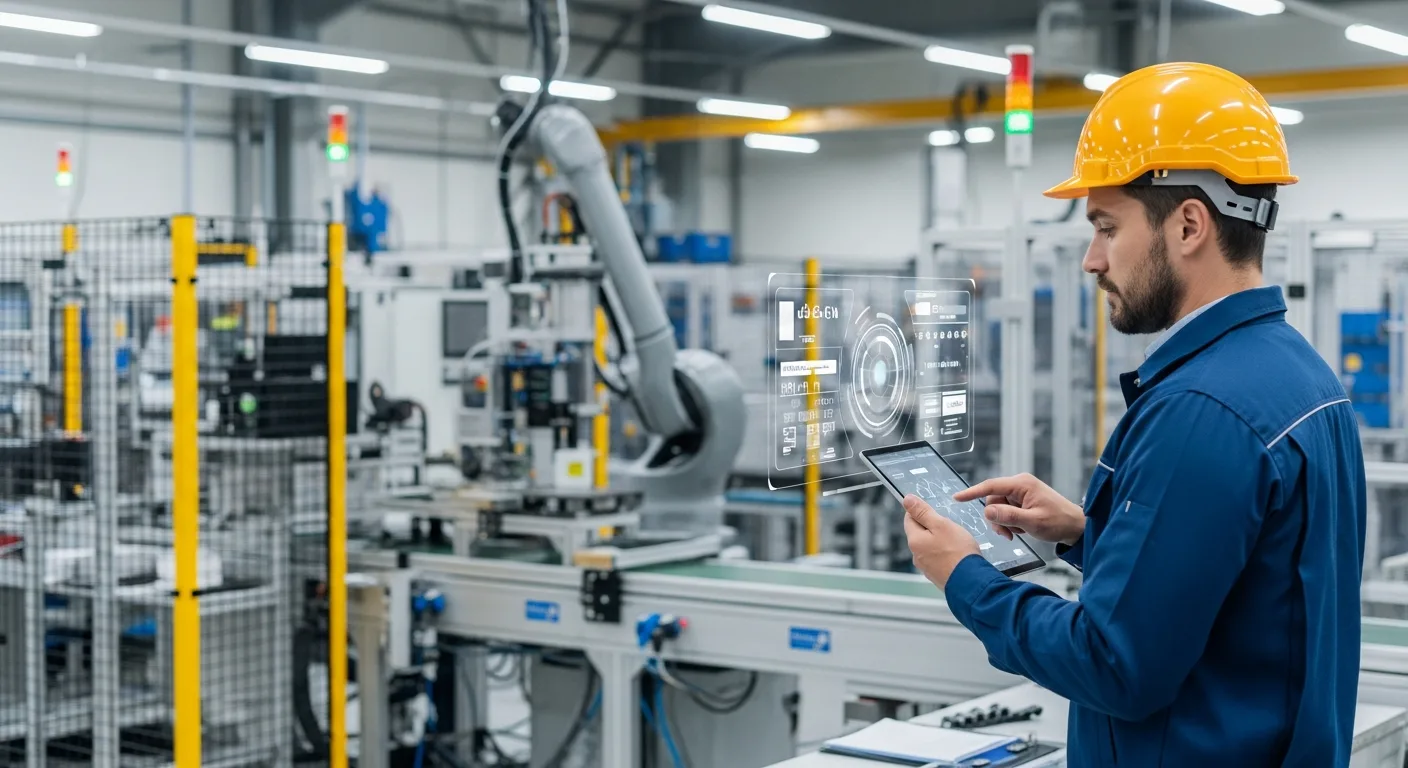
Furthermore, the integration of IoT sensors allows the ERP to monitor machine health. If a CNC machine shows signs of overheating, the system can automatically reschedule pending jobs to another workstation, ensuring the plant manager meets his deadlines without catastrophic equipment failure.
Distinguishing Between MRP and ERP
It is easy to get confused by the alphabet soup of industry jargon. While Material Requirements Planning (MRP) is a core component of any manufacturing setup, it is not a replacement for a full ERP suite. An MRP focuses on the “what, when, and how much” of raw materials. In contrast, an ERP encompasses everything from HR and payroll to customer relationship management.
Understanding the differences between MRP and ERP systems is vital for a decision-maker. If he only needs to manage parts and production schedules, a standalone MRP might suffice. However, if he wants to see how a delay on the assembly line affects his quarterly financial projections, a full ERP is non-negotiable.
Key Features to Demand in 2026
When evaluating vendors, do not settle for a generic solution. A manufacturer should look for these specific capabilities to ensure long-term ROI:
- Real-Time Inventory Tracking: Use of RFID and barcodes to eliminate “ghost inventory” and ensure the warehouse manager always knows exactly what is on the shelves.
- Advanced Planning and Scheduling (APS): Tools that allow for “what-if” simulations to see how a rush order will impact existing production timelines.
- Quality Management Systems (QMS): Integrated modules that track non-conformance and ensure every product leaving the facility meets strict industry standards.
- Mobile Accessibility: A supervisor should be able to approve a purchase order or check production status from his tablet while walking the floor.
The Human Element of Implementation
Even the most expensive software will fail if the team doesn’t embrace it. A successful rollout requires a champion within the organization—someone who understands both the technical requirements and the daily struggles of the workers. He must ensure that training is comprehensive and that the software simplifies tasks rather than adding layers of bureaucracy. When the staff sees that the ERP makes their jobs easier, adoption rates skyrocket, and the business finally realizes the efficiency gains it was promised.
Frequently Asked Questions
What is the most affordable ERP for small manufacturers?
For smaller operations, Odoo or Acumatica often provide the best balance of cost and functionality. They offer modular pricing, meaning a business owner only pays for the features he actually uses, such as inventory and basic production planning.
Can an ERP help with regulatory compliance?
Yes, modern ERPs are designed to handle strict documentation requirements for industries like aerospace, medical devices, and food production. The system maintains a digital paper trail for every component, making audits significantly less stressful for the compliance officer.
How long does a typical ERP implementation take?
Depending on the complexity of the business, implementation can range from six months to two years. A focused manager will prioritize a phased rollout, starting with core modules like finance and inventory before moving to more complex shop floor integrations.