How Do MRP and ERP Systems Differ in 2026?
The Core Conflict: MRP vs. ERP
Imagine a production manager standing on a factory floor, surrounded by raw materials but lacking the specific components needed to finish a high-priority order. He knows the inventory is somewhere, but his spreadsheets can’t tell him when the next shipment arrives or how it impacts his labor costs. This is the exact problem MRP and ERP systems were designed to solve, though they approach the solution from very different angles.
While the terms are often used interchangeably in casual conversation, they represent distinct levels of business maturity. An MRP (Material Requirements Planning) system is a specialist, focusing entirely on the production floor. An ERP (Enterprise Resource Planning) system is a generalist, acting as the central nervous system for the entire organization. Understanding which one a leader needs depends entirely on the complexity of his operations.
What is MRP? The Production Specialist
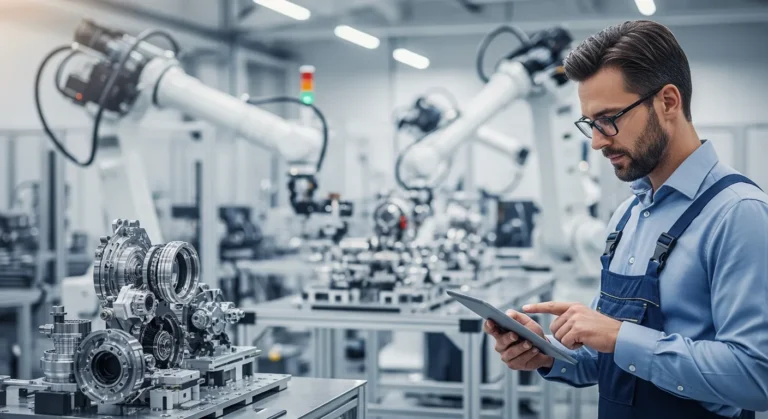
MRP is the foundation of modern manufacturing. Its primary goal is to answer three questions for the manufacturer: What is needed? How much is needed? And when is it needed? By focusing strictly on inventory management and production scheduling, the MRP system ensures that a manager never runs out of parts mid-build.
- Inventory Control: Tracks raw materials and finished goods to prevent stockouts.
- Bill of Materials (BOM): Manages the “recipe” for every product he manufactures.
- Production Scheduling: Coordinates machine time and labor to meet delivery deadlines.
In 2026, standalone MRP systems have become incredibly lean. He might choose an MRP if his primary pain point is strictly related to the shop floor and he already has separate systems for his accounting and human resources.
The Rise of ERP: The Total Business Solution
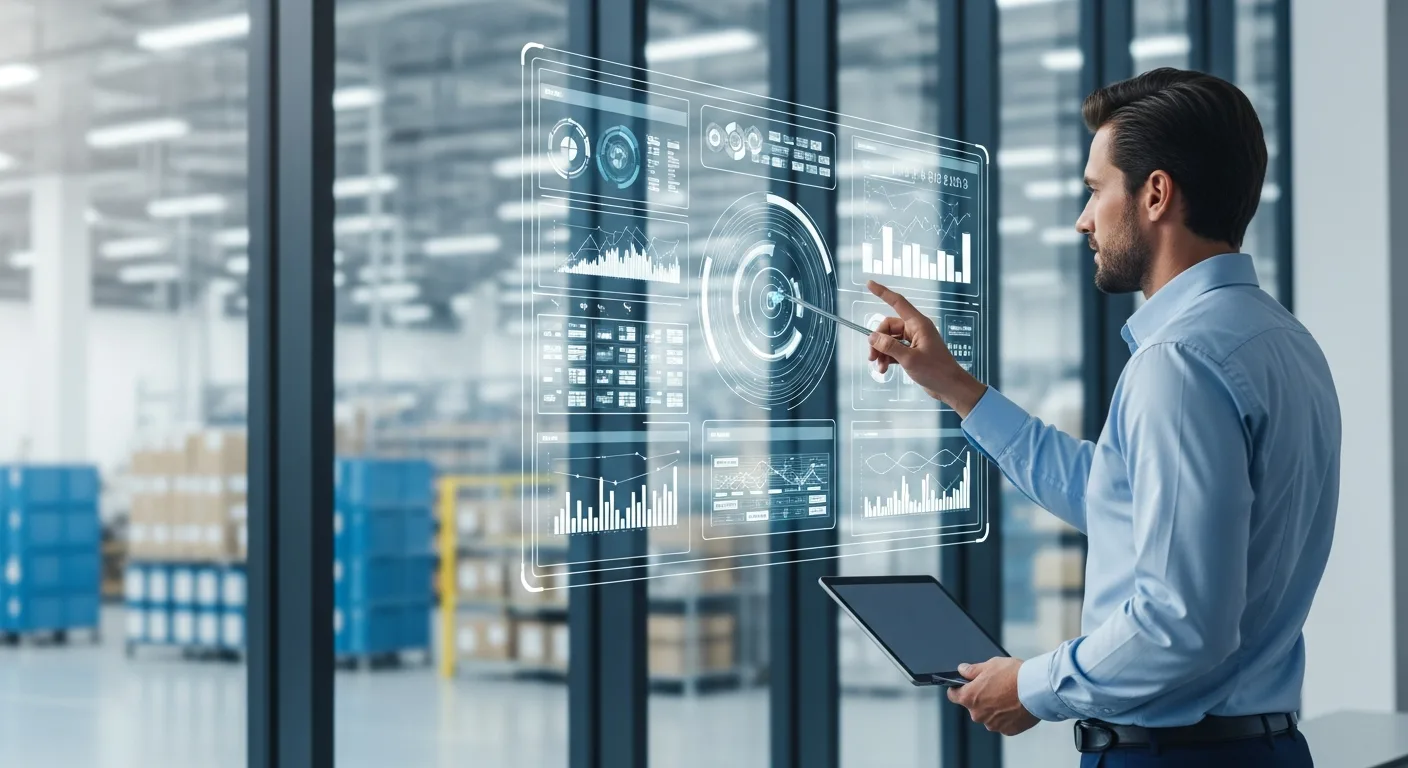
ERP takes the logic of an MRP and expands it across every department. It doesn’t just care about the raw materials; it cares about the sales order that triggered the production, the invoice sent to the customer, and the payroll for the worker who operated the machine. When a business owner looks at manufacturing ERP software efficiency in 2026, he is looking for a single source of truth.
An ERP system integrates various functions into one database, including:
- Finance and Accounting: Real-time tracking of cash flow and profitability.
- Customer Relationship Management (CRM): Managing the lifecycle of a lead before it becomes an order.
- Human Resources: Tracking employee performance and benefits.
- Supply Chain Management: Coordinating with external vendors and logistics providers.
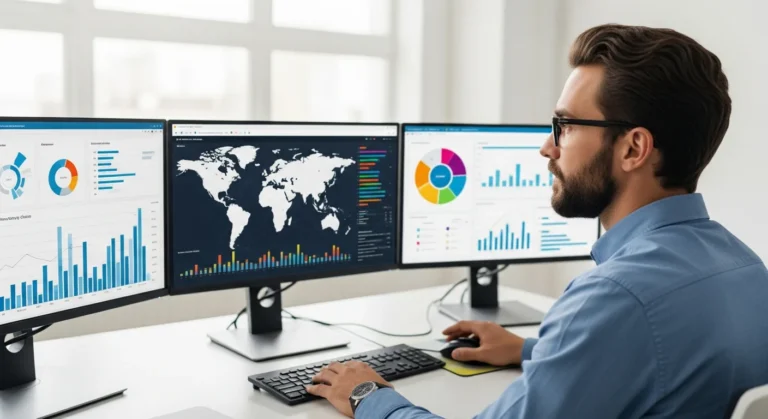
For a CEO, the ERP is his dashboard for the entire company. He can see how a delay in the supply chain affects his quarterly financial projections instantly, without waiting for a manual report from the warehouse manager.
Key Differences You Need to Know
The distinction between these two systems usually comes down to scope and integration. An MRP is a module; an ERP is the ecosystem. If a manager is comparing an ERP and accounting software comparison, he will find that the ERP offers a much deeper level of cross-departmental automation than any standalone tool.
1. Breadth of Features: MRP focuses on the “how” of making products. ERP focuses on the “why” and “how much” of the entire business operation.
2. Data Centralization: In an MRP setup, he might have to manually export data to his accounting software. In an ERP, that data flows automatically, reducing the risk of human error.
3. Target Audience: MRP is built for production planners and plant managers. ERP is built for the entire executive suite, from the CFO to the Head of Operations.
Choosing the Right Path for Your Business
He should not assume that bigger is always better. Implementing a full-scale ERP is a significant investment in both time and capital. If he runs a small boutique manufacturing shop with five employees, a heavy ERP might overwhelm his team with unnecessary data entry. In that case, a robust MRP is the smarter, more agile choice.
However, as soon as he finds himself entering the same data into three different programs, it is time to scale. The transition from MRP to ERP is a rite of passage for growing companies. It signals that he is moving from reactive manufacturing to proactive enterprise management.
Frequently Asked Questions
Can an ERP system function without an MRP?
Technically, yes. Some ERPs are designed for service-based industries and do not include manufacturing modules. However, for any company that makes physical goods, the MRP is usually the core component of their ERP suite.
Is MRP cheaper than ERP?
Generally, yes. Because an MRP has a narrower focus, the licensing fees and implementation costs are typically lower. He will also spend less on training since fewer departments need to learn the system.
Which system is better for supply chain visibility?
ERP is superior for supply chain visibility. While an MRP tracks what is in the warehouse, an ERP tracks the shipment from the vendor’s dock to the final customer’s doorstep, providing a holistic view of the entire journey.