How ERP in Supply Chain Management Drives 2026 Operational Excellence?
The Central Nervous System of Modern Logistics
A supply chain without a central nervous system is just a collection of disconnected silos. In 2026, the margin for error has vanished; global volatility and shifting consumer demands mean that a manager can no longer rely on spreadsheets or gut feelings. ERP in supply chain management acts as the single source of truth, threading together procurement, manufacturing, and distribution into one cohesive unit.
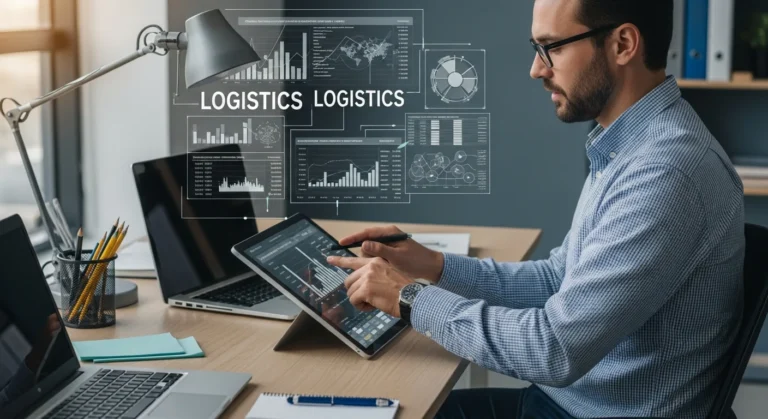
When a leader integrates an ERP system, he gains the ability to see every moving part of his operation in real-time. This isn’t just about tracking boxes; it’s about understanding the financial impact of a delayed shipment or a sudden spike in raw material costs. By leveraging seamless ERP integrations, a business owner ensures that data flows from the warehouse floor directly to the executive suite without manual intervention.
Real-Time Inventory Control and Demand Forecasting
Inventory is often a company’s largest asset and its biggest liability. ERP systems eliminate the “ghost stock” problem by providing absolute transparency. He can monitor stock levels across multiple geographical locations, ensuring that capital isn’t tied up in overstock while simultaneously preventing stockouts that frustrate customers.
- Automated Reordering: The system triggers purchase orders based on pre-set thresholds, removing human error from the procurement cycle.
- Predictive Analytics: Modern ERPs use historical data to forecast future demand, allowing a manager to prepare for seasonal peaks months in advance.
- Batch and Lot Tracking: Essential for compliance and quality control, ensuring every component is traceable back to its origin.
Streamlining Procurement and Supplier Relations
The procurement process is often bogged down by paperwork and fragmented communication. An ERP centralizes supplier data, performance metrics, and contract terms. When a procurement officer looks at his dashboard, he can instantly identify which suppliers are consistently late or which ones offer the best volume discounts.
This centralized approach allows for better negotiation leverage. Because he has all the data in one place, he can consolidate orders across different departments to secure better pricing. Furthermore, the ERP automates the three-way match between purchase orders, receiving reports, and invoices, which drastically reduces the workload on the accounting team.
Enhancing Logistics and Distribution
Getting the product to the customer is the final, and often most expensive, hurdle. ERP software optimizes outbound logistics by selecting the most cost-effective carriers and routes. It integrates directly with shipping partners to provide customers with accurate tracking information, which is a baseline expectation in 2026.
For those managing complex global networks, utilizing a dedicated supply chain visibility guide alongside an ERP can help identify bottlenecks in the transit phase. A logistics manager can see if a specific port is experiencing delays and reroute his shipments before the backlog impacts his bottom line. This proactive stance is what separates market leaders from those who are constantly in firefighting mode.
Breaking Down Functional Silos
The greatest strength of ERP in supply chain management is the destruction of departmental silos. In a traditional setup, the sales team might promise a delivery date that the production team cannot meet because they lack the raw materials. With an ERP, the sales representative sees the same inventory and production schedule as the plant manager.
He can provide customers with accurate lead times based on actual capacity, not optimistic estimates. This synchronization ensures that every employee is working toward the same organizational goals, backed by the same set of data. It transforms the supply chain from a cost center into a competitive advantage.
Frequently Asked Questions
How does ERP improve supply chain transparency?
ERP centralizes data from every stage of the supply chain, from raw material sourcing to final delivery. This allows a manager to track the status of any order or component in real-time, identifying delays immediately rather than discovering them after the fact.
Can ERP help reduce supply chain costs?
Yes, by optimizing inventory levels, reducing manual data entry errors, and improving procurement strategies. It helps a business owner identify waste, such as excessive shipping costs or underutilized warehouse space, and take corrective action.
Is ERP different from SCM software?
While SCM software focuses specifically on the movement of goods and supplier interactions, an ERP is broader. It includes SCM features but also integrates them with finance, HR, and sales, providing a holistic view of the entire enterprise.
What is the biggest challenge in implementing ERP for supply chains?
Data migration and user adoption are typically the largest hurdles. A manager must ensure that his team is properly trained and that the data being fed into the new system is clean and accurate to avoid the “garbage in, garbage out” scenario.