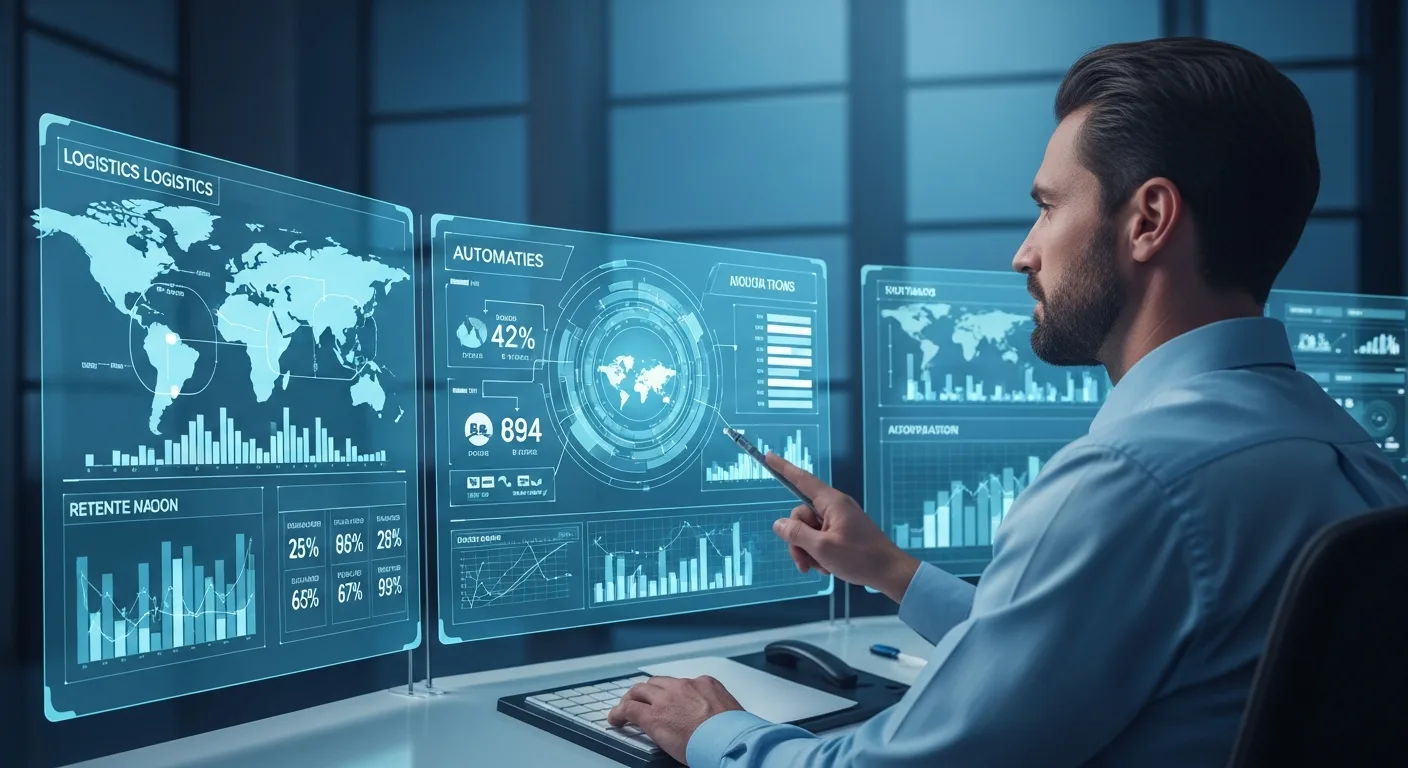
How ERP and Supply Chain Management Drive Operational Excellence in 2026?
The Power of Unified Operations
Fragmented data kills profit margins. When a manager relies on isolated spreadsheets to track his inventory while his procurement team uses a different system for orders, chaos is inevitable. ERP and supply chain management (SCM) work together to eliminate these silos, creating a single source of truth that allows a leader to see exactly where his resources are at any given moment.
In 2026, the speed of commerce doesn’t allow for manual data entry or delayed communication. An integrated ERP system acts as the central nervous system of a business, ensuring that when a sales executive closes a deal, the warehouse manager immediately sees the stock deduction and the procurement officer receives a notification to reorder raw materials. This seamless flow of information is what separates market leaders from those struggling to keep up.
Why ERP is the Backbone of Modern SCM
Supply chain management focuses on the external flow of goods, from suppliers to the end consumer. ERP, on the other hand, focuses on internal processes. When these two are merged, a business owner gains total control over his entire lifecycle. He can monitor lead times, evaluate supplier performance, and optimize his logistics routes without switching between multiple platforms.
When a manager seeks to bridge the gap between departments, he often looks toward a comprehensive ERP and SCM integration guide to align his procurement and sales data. This alignment ensures that he isn’t overstocking expensive components or, conversely, facing stockouts during peak demand periods.
Key Benefits of Integration
- Real-Time Visibility: A logistics coordinator can track his shipments in real-time, allowing him to proactively address delays before they impact the customer.
- Cost Reduction: By automating routine tasks like purchase order generation, a business reduces human error and administrative overhead.
- Enhanced Forecasting: Using historical data stored within the ERP, a financial analyst can predict future demand with high accuracy, ensuring his budget is allocated efficiently.
- Improved Supplier Relations: Automated portals allow suppliers to see what a company needs in real-time, fostering a more collaborative and transparent partnership.
Achieving End-to-End Transparency
Achieving high levels of transparency requires more than just spreadsheets; it demands a dedicated supply chain visibility software guide to help a professional track goods from the factory floor to the customer’s doorstep. This level of detail allows a manager to identify bottlenecks in his process—perhaps a specific shipping lane is consistently slow or a particular vendor frequently delivers late.
With ERP and supply chain management working in tandem, the data collected from the warehouse floor is instantly available to the executive suite. This allows the CEO to make informed decisions about expanding into new markets or adjusting his pricing strategy based on the actual cost of goods sold, rather than estimates.
Overcoming Implementation Hurdles
Transitioning to a unified system isn’t without its challenges. A technical lead must ensure that his team is properly trained and that the data being migrated is clean and accurate. He should focus on a phased rollout, starting with core modules like inventory and procurement before moving to more complex logistics and AI-driven forecasting tools.
Resistance to change is often the biggest obstacle. A manager must demonstrate the value of the new system to his staff, showing them how it will simplify their daily tasks and eliminate the frustration of hunting for missing information. When his team sees that they no longer have to manually reconcile reports at the end of every week, adoption rates skyrocket.
The Future of ERP and SCM in 2026
We are seeing a shift toward autonomous supply chains. In 2026, ERP systems are increasingly using machine learning to handle routine decision-making. For example, if a shipment is delayed due to a storm, the system can automatically reroute the order or notify the customer without a human ever needing to intervene. This allows the manager to focus his energy on high-level strategy rather than putting out daily fires.
Blockchain is also playing a larger role in verifying the authenticity of goods. A procurement officer can now use his ERP to verify the entire journey of a raw material, ensuring it meets his company’s quality and ethical standards. This level of accountability is becoming a requirement in the modern global market.
Frequently Asked Questions
What is the main difference between ERP and SCM?
ERP focuses on internal business processes like HR, finance, and manufacturing, while SCM focuses on the external movement of goods and relationships with suppliers and distributors.
How does ERP improve inventory management?
It provides a real-time view of stock levels across multiple locations, allowing a manager to automate reorder points and reduce the amount of capital tied up in excess inventory.
Can a small business benefit from an integrated ERP and SCM system?
Yes. Many modern cloud-based solutions are scalable, allowing a small business owner to start with basic features and add more complexity as his company grows.
Does ERP help with global logistics?
Absolutely. An integrated system can handle multiple currencies, languages, and international shipping regulations, making it easier for a manager to run his global operations from a single dashboard.