How Does ERP Manufacturing Software Solve Modern Production Chaos?
Why ERP Manufacturing Software is Non-Negotiable in 2026
Manufacturing is no longer just about the physical assembly of goods. It is a high-stakes game of data management, where a single delay in the supply chain can derail an entire quarter’s revenue. A plant manager needs more than just a spreadsheet; he requires a centralized nervous system that connects his shop floor to his finance department in real-time.
ERP manufacturing software acts as this central hub. It eliminates the silos that traditionally exist between procurement, production, and distribution. When a manager can see exactly how much raw material is on hand and how many man-hours are available for a specific shift, he can make decisions based on hard evidence rather than gut feeling. This level of visibility is what separates profitable operations from those struggling with overhead.
Discrete vs. Process Manufacturing: Choosing Your Path
Not all manufacturing environments are created equal. A facility producing specialized medical devices operates very differently from one refining chemicals. Understanding these nuances is the first step in selecting the right software architecture.
- Discrete Manufacturing: This involves the production of distinct items that can be touched and counted, such as cars or smartphones. For a manager in this sector, a specialized discrete manufacturing framework is essential to track complex bills of materials (BOM) and multi-level assemblies.
- Process Manufacturing: This focuses on formulas and recipes where ingredients are blended or refined. Think of food, beverages, or pharmaceuticals. Here, the software must handle potencies, shelf-life tracking, and batch scaling.
If a leader chooses the wrong type of ERP, he risks forcing his team into a workflow that doesn’t match their physical reality, leading to data entry errors and employee frustration.
Bridging the Shop Floor and the Back Office
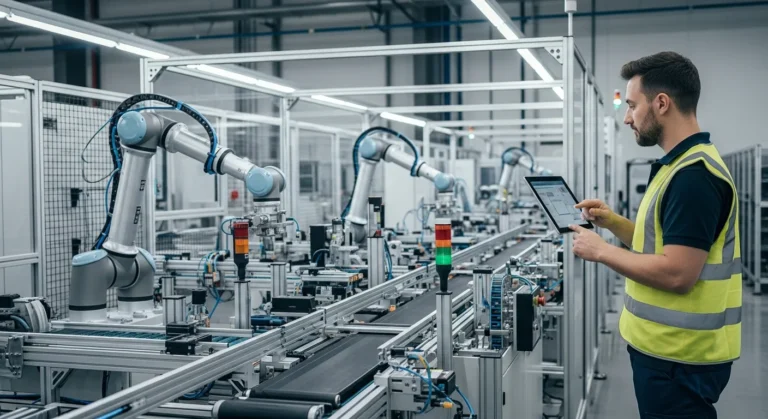
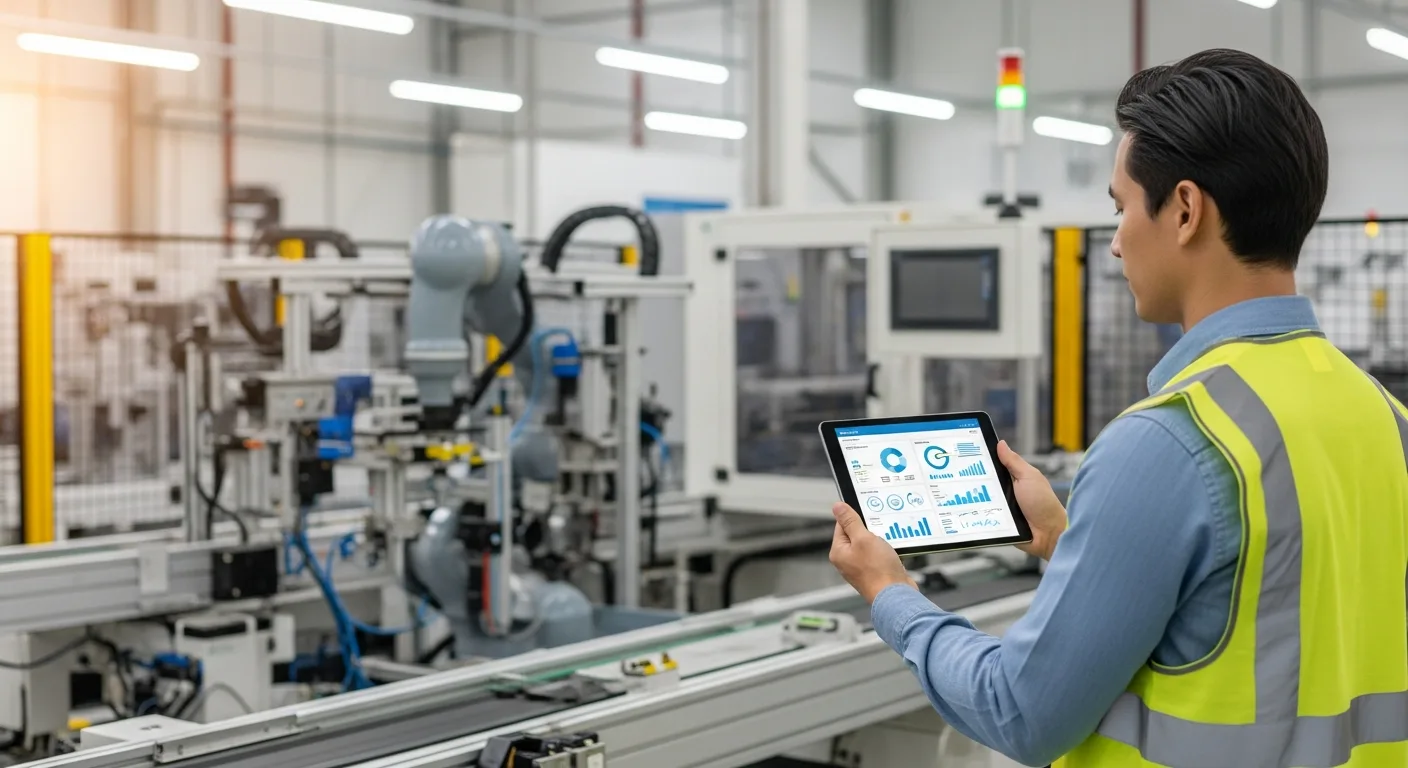
The most significant drain on a manufacturer’s resources is often the gap between what is happening on the machines and what the accounting department thinks is happening. When a plant manager looks to boost shop floor efficiency, he often starts with the core MRP (Material Requirements Planning) functions within his ERP.
By integrating Real-Time Data Collection (RTDC), the software automatically updates inventory levels as parts move through the production line. This means the purchasing agent knows exactly when to reorder steel or plastic without having to walk the floor and manually count pallets. It reduces the “buffer stock” that eats up capital and ensures that the right materials are always available for the next job.
The Role of AI and Predictive Maintenance
In 2026, ERP systems are no longer passive databases. They have become proactive advisors. Modern manufacturing software now incorporates AI-driven analytics that can predict when a CNC machine is likely to fail based on vibration data and historical performance.
Instead of waiting for a breakdown that halts production for three days, the maintenance supervisor receives an automated alert. He can then schedule a repair during a planned downtime window. This shift from reactive to predictive maintenance saves thousands of dollars in lost productivity and extends the lifespan of expensive capital equipment.
Implementation Pitfalls to Avoid
Even the most advanced software will fail if the implementation is handled poorly. A common mistake is trying to “boil the ocean” by turning on every feature at once. A wise executive focuses on the modules that provide the most immediate value—usually inventory and production scheduling—before moving on to more complex features like advanced quality management.
User adoption is another hurdle. If the shop floor operator finds the interface too clunky, he will find ways to bypass it, leading to “shadow data” that makes the ERP’s reports useless. The software must be intuitive enough for a worker to log his progress in seconds, ensuring the data remains clean and actionable.
Frequently Asked Questions
What is the difference between MRP and ERP?
MRP (Material Requirements Planning) is a subset of ERP that focuses specifically on production scheduling and inventory control. ERP (Enterprise Resource Planning) is the broader system that includes MRP plus finance, HR, and sales modules.
Can a small manufacturer afford ERP software?
Yes. With the rise of cloud-based SaaS models, small manufacturers can now access the same powerful tools as large corporations without the massive upfront hardware costs. He can pay a monthly subscription fee that scales with his business.
How long does it take to implement a manufacturing ERP?
A typical implementation can take anywhere from six months to over a year, depending on the complexity of the operation and the cleanliness of the existing data. It is a marathon, not a sprint.
Does ERP software help with regulatory compliance?
Absolutely. For manufacturers in highly regulated industries like aerospace or medical devices, the ERP provides a digital paper trail for every component, making audits much faster and less stressful for the compliance officer.