How Do Manufacturing ERP Systems Drive Factory Floor Efficiency in 2026?
The Evolution of the Industrial Nervous System
Stop guessing your inventory levels and start predicting your profit margins. In 2026, a manufacturer who relies on manual spreadsheets is essentially running his business with a blindfold on. Modern manufacturing ERP systems have evolved from simple record-keeping tools into the central nervous system of the factory floor, connecting every bolt, machine, and man-hour to a unified data stream.
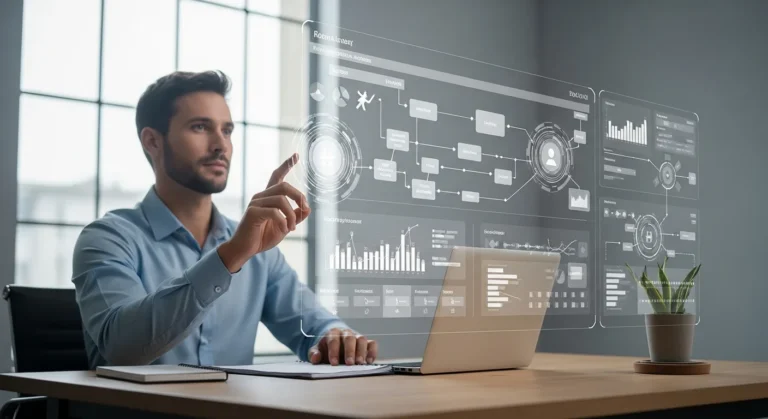
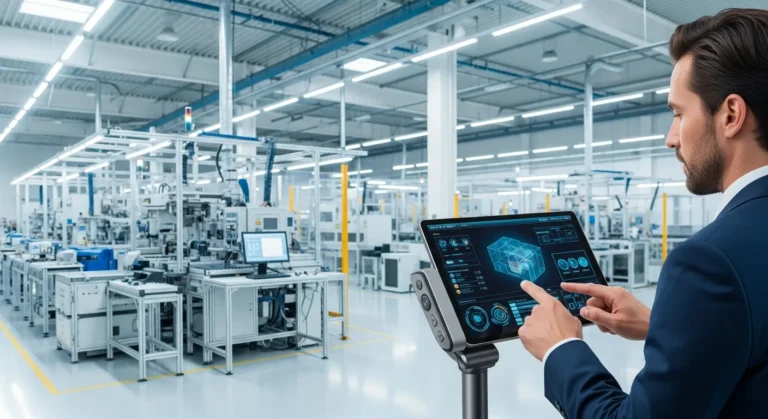
The modern plant manager no longer waits for end-of-month reports to identify inefficiencies. He uses real-time dashboards to spot a 5% drop in machine output the moment it happens. This shift from reactive to proactive management is what separates the market leaders from those struggling to keep their doors open.
Core Modules That Define High-Performance Manufacturing
A robust ERP isn’t a monolith; it is a collection of specialized tools designed to handle the chaos of a production environment. To get the most out of these platforms, a leader must ensure his system covers several non-negotiable areas:
- Material Requirements Planning (MRP): This is the engine that ensures parts are available for production without overstocking, which ties up vital capital.
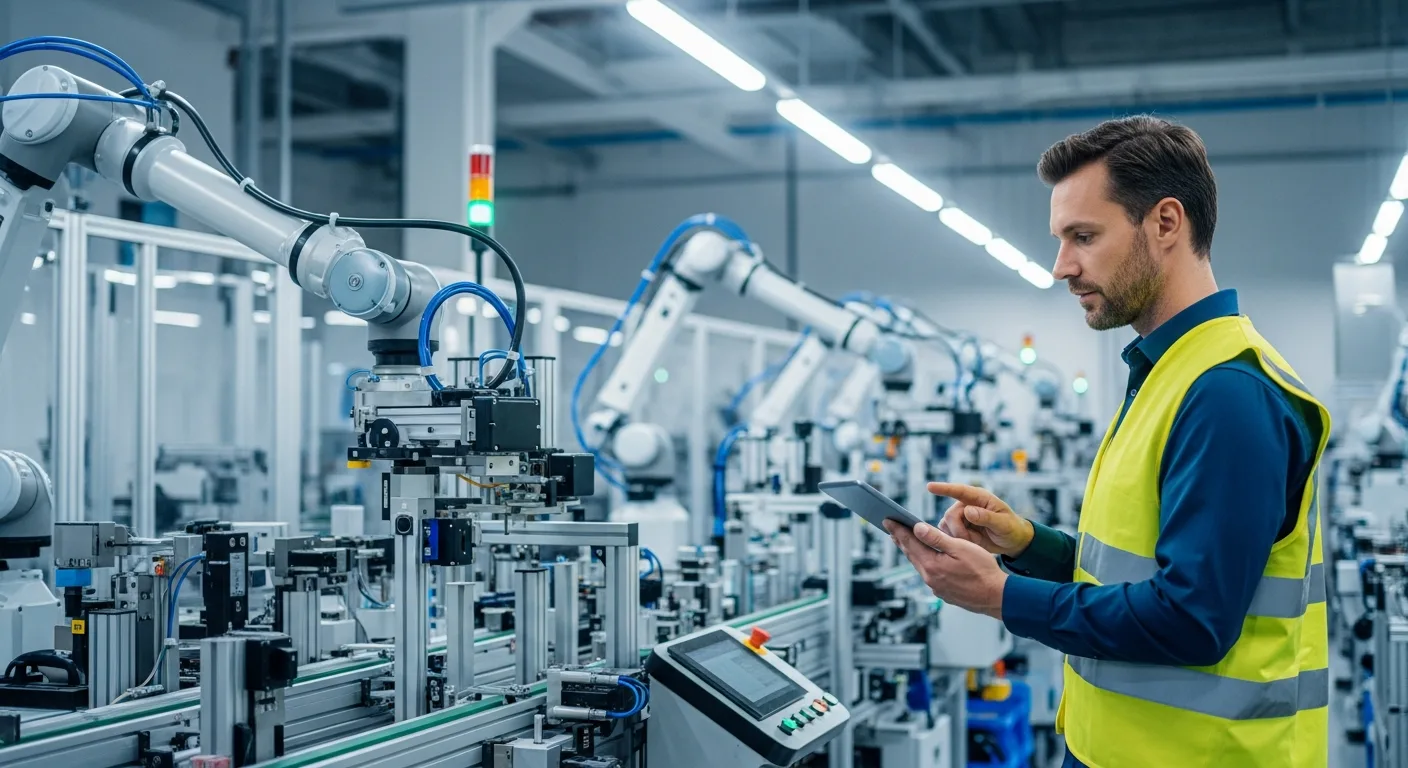
- Shop Floor Control: This module tracks the progress of work orders in real-time, allowing a supervisor to reassign labor if a specific station becomes a bottleneck.
- Quality Management: By integrating quality checks directly into the production workflow, a manufacturer can catch defects at the source rather than at the shipping dock.
- Inventory & Warehouse Management: Total visibility into raw materials, work-in-progress (WIP), and finished goods.
When a plant manager evaluates the top-tier ERP solutions for industrial use, he isn’t just looking for a database; he’s looking for a tool that mirrors his specific physical workflows.
Eliminating Bottlenecks with Real-Time Data Integration
The primary enemy of manufacturing efficiency is the information silo. When the sales team promises a delivery date without knowing the current capacity of the assembly line, the business loses credibility. Manufacturing ERP systems bridge this gap by creating a single source of truth.
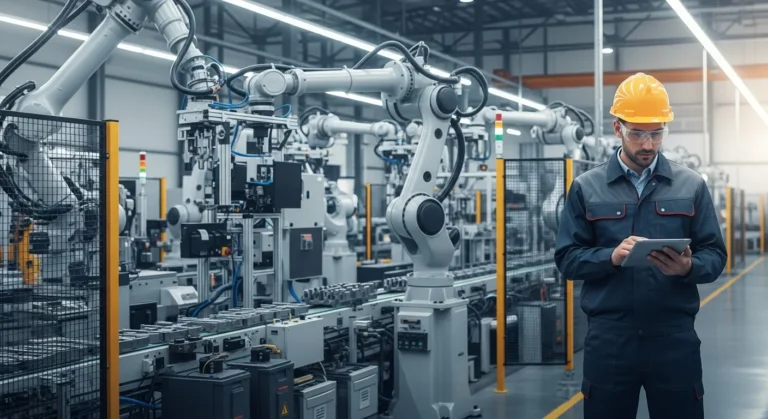
By integrating IoT (Internet of Things) sensors directly into the ERP, a manager can monitor Overall Equipment Effectiveness (OEE) automatically. If a hydraulic press begins to overheat, the system can trigger a maintenance alert before a breakdown occurs. Achieving this level of operational excellence through software requires a deep understanding of how data flows from the CNC machine to the financial ledger.
Cost Reduction Through Predictive Resource Planning
Waste is the silent killer of profitability. Whether it is wasted material, wasted time, or wasted energy, an ERP system is designed to hunt down these costs. By using historical data, the system helps a manager forecast demand with surgical precision. He can then implement Just-In-Time (JIT) inventory strategies that minimize storage costs while ensuring the production line never goes cold.
Furthermore, labor costs are optimized through better scheduling. Instead of overstaffing a shift “just in case,” the manager uses the ERP’s capacity planning tools to align his headcount with the actual production volume scheduled for that day. This ensures he is paying for productivity, not presence.
The Role of AI in 2026 Manufacturing Workflows
We have moved past basic automation. The current generation of manufacturing ERPs utilizes machine learning to suggest process improvements. For example, the system might notice that a specific alloy consistently causes more tool wear and suggest an alternative supplier or a different machining speed. The software acts as a consultant, providing the human operator with the insights he needs to make high-stakes decisions with confidence.
Frequently Asked Questions
What is the main difference between a standard ERP and a manufacturing ERP?
A standard ERP focuses on accounting and HR, whereas a manufacturing ERP includes specialized modules for bill of materials (BOM), shop floor scheduling, and material requirements planning (MRP) specifically for production environments.
Can a small manufacturer afford an ERP system in 2026?
Yes. The rise of cloud-based SaaS models allows a small business owner to pay a monthly subscription rather than a massive upfront licensing fee, making enterprise-grade tools accessible to smaller shops.
How long does it typically take to implement a new ERP?
Implementation varies based on complexity, but most mid-sized manufacturers can expect a timeline of 6 to 12 months to fully migrate their data and train their staff on the new system.
Does an ERP replace the need for a plant manager?
Absolutely not. It empowers the plant manager by removing the burden of manual data entry and providing him with the high-level insights he needs to lead his team more effectively.