
How Does ERP Software for Supply Chain Management Solve Modern Logistics Chaos?
The Shift from Reactive to Proactive Logistics
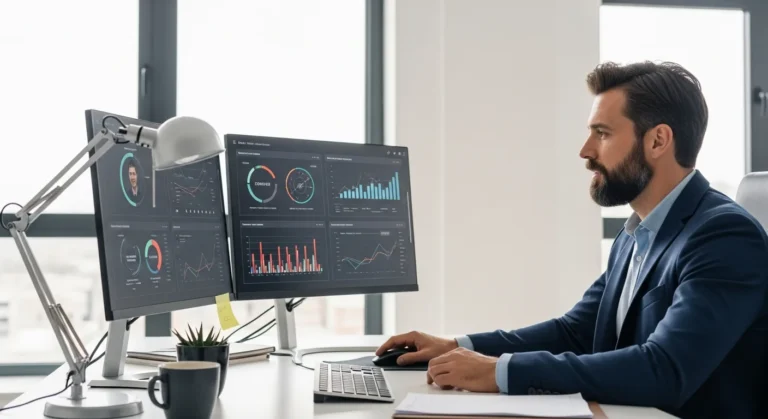
Supply chain disruptions are no longer occasional headaches; they are the baseline reality for any business handling physical goods. If a manager relies on fragmented spreadsheets and disconnected emails, he is essentially flying blind. ERP software for supply chain management has evolved into a central nervous system that allows a leader to see every moving part of his operation in real-time.
In 2026, the competitive edge belongs to the professional who can predict a bottleneck before it halts his production line. By consolidating data from suppliers, warehouses, and carriers, an ERP system eliminates the information silos that lead to costly delays and overstocked inventory.
Core Components of a Modern Supply Chain ERP
To truly master his operations, a logistics director needs specific modules that talk to each other without friction. It is not just about tracking a box; it is about managing the entire lifecycle of a product.
- Inventory Optimization: Automated alerts ensure he never runs out of raw materials, while AI-driven insights help him reduce carrying costs by identifying slow-moving stock.
- Procurement Management: This module streamlines vendor interactions, allowing a buyer to manage his purchase orders and evaluate supplier performance through a single interface.
- Demand Forecasting: By analyzing historical data and market trends, the software helps a manager plan his production schedules with surgical precision.
- Warehouse Management (WMS): This focuses on the physical movement of goods, optimizing production floors and warehouse layouts to minimize travel time for pickers and packers.
Bridging the Gap Between Sales and Fulfillment
One of the most significant failures in traditional business models is the disconnect between what the sales team promises and what the supply chain can deliver. When a manager integrates his ERP with customer-facing data, he ensures that every order is backed by actual inventory availability.
This synergy is vital for maintaining customer trust. By bridging the gap between customer demand and fulfillment, a business owner can provide accurate lead times and automated shipping updates, ensuring his clients are never left wondering where their orders are.
Real-Time Visibility: The End of the Black Box
In the past, once a shipment left the warehouse, it often entered a “black box” where visibility was limited until it reached its destination. Modern ERP solutions have changed this dynamic. Through IoT integrations and API connections with global carriers, a logistics coordinator can track his freight across oceans and borders from his dashboard.
If a storm delays a cargo ship, he receives an immediate notification. This allows him to pivot his strategy—perhaps by sourcing from a local backup supplier or adjusting his production timeline—before the delay impacts his bottom line. This level of agility is what separates market leaders from those struggling to keep up.
Overcoming the Implementation Hurdle
Adopting a new ERP is a significant undertaking. A CEO must ensure his team is prepared for the transition. The most common reason for failure isn’t the technology itself, but the human element. If a staff member feels overwhelmed by the new interface, he may revert to old, inefficient habits.
Successful implementation requires a clear roadmap. A manager should start by identifying his most painful bottlenecks—whether that is inaccurate inventory counts or slow order processing—and configure the ERP to solve those issues first. Training is equally vital; every user must understand how the system makes his specific job easier and more productive.
Frequently Asked Questions
What is the difference between SCM and ERP?
While SCM (Supply Chain Management) focuses specifically on the movement of goods and supplier relationships, an ERP is a broader suite that includes SCM alongside finance, HR, and sales. In short, SCM is a specialized component within the larger ERP ecosystem.
Can a small business benefit from supply chain ERP?
Yes. With the rise of cloud-based SaaS models, a small business owner can access enterprise-level tools without a massive upfront investment in hardware. This allows him to scale his operations efficiently as his business grows.
How does ERP software improve supplier relationships?
It provides a transparent platform for communication and performance tracking. A procurement officer can share real-time demand forecasts with his suppliers, helping them prepare for large orders and reducing the likelihood of last-minute shortages.
Does ERP software help with sustainability?
By optimizing routes and reducing waste through better inventory management, a logistics manager can significantly lower his company’s carbon footprint, making his operations both more profitable and more environmentally responsible.