How Does Skyward ERP Simplify K-12 School District Management?
The Complexity of Modern School Administration
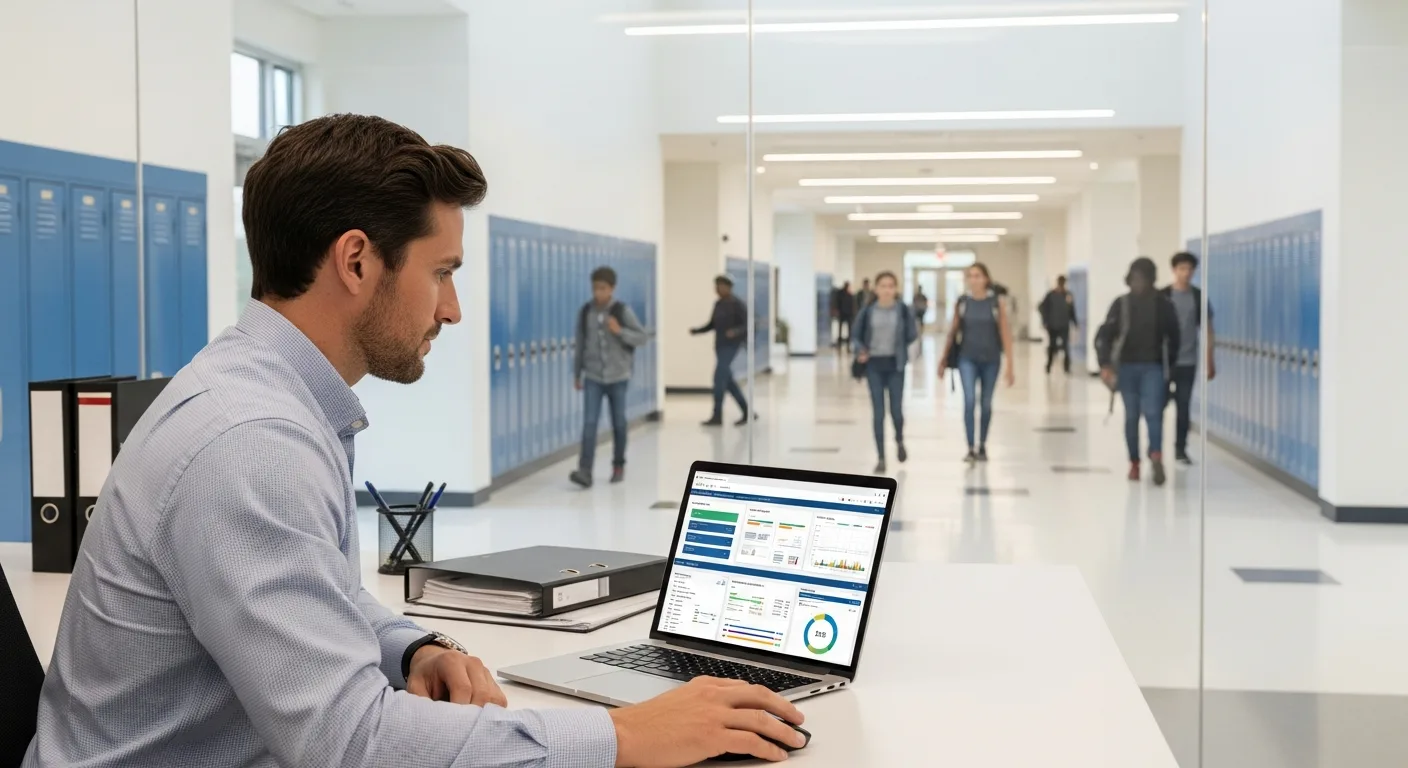
A school district administrator faces a mountain of data every morning. From tracking attendance and grading scales to managing payroll and state reporting requirements, his workload is immense. Without a centralized system, he is forced to jump between disconnected spreadsheets and legacy databases. This is where Skyward ERP steps in, providing a unified platform designed specifically for the unique needs of the K-12 environment.
Skyward isn’t just a database; it is a comprehensive ecosystem that bridges the gap between the classroom and the front office. By integrating student information with financial management, it allows a superintendent to see exactly how his district’s resources are impacting student outcomes.
The Two Pillars: Student and Business Suites
Skyward ERP is generally divided into two primary functional areas: the Student Management Suite and the Business Suite. Each serves a distinct purpose but shares a common data architecture to prevent information silos.
The Student Management Suite
This module is the heartbeat of the school. It handles everything from enrollment and scheduling to discipline and health records. A teacher can use the Educator Access portal to take attendance or input grades, which then updates the system instantly. For the parent, the Family Access portal provides a transparent view of his son’s academic progress, allowing him to stay engaged with the student’s daily performance without needing to call the school office.
The Business Suite
Managing a district’s budget requires precision. The Business Suite handles human resources, payroll, and financial accounting. It ensures that a district’s business manager can track every dollar spent, from classroom supplies to facility maintenance. While many districts consider standard financial tools, a detailed erp and accounting software comparison reveals that Skyward’s specialized focus on education-specific compliance and state-mandated reporting is a major advantage over generic corporate tools.
Streamlining District Operations with Automation
One of the most significant benefits of Skyward ERP is its ability to automate repetitive tasks. State reporting, which used to take weeks of manual data entry, can now be completed in a fraction of the time. The system identifies errors in real-time, allowing an administrator to fix data discrepancies before they are submitted to the state board.
- Automated Scheduling: The system can generate complex master schedules that account for teacher availability and room capacity.
- Workflow Notifications: When a purchase order is submitted, the appropriate supervisor receives an instant notification on his dashboard for approval.
- Real-time Analytics: Administrators can pull reports on student demographics or budget variances with a few clicks.
Implementation and the Learning Curve
Switching to a new ERP is a massive undertaking for any district. It requires careful planning, data migration, and extensive staff training. When a district administrator begins the transition, he often looks for a comprehensive erp system training guide to ensure his staff can navigate the new interface without friction. Skyward provides professional development resources to help users move from basic proficiency to advanced mastery of the platform.
The success of the implementation often depends on the district’s internal lead. He must ensure that data from the old system is cleaned and mapped correctly to Skyward’s fields. Once the system is live, the efficiency gains usually outweigh the initial stress of the migration.
Why Specialized Education Software Matters
Generic ERP systems often fail in a school setting because they don’t understand the nuances of “minutes of instruction” or “special education compliance.” Skyward ERP is built with these specific requirements in mind. It allows a principal to manage his building effectively while giving the district office the high-level oversight needed for long-term strategic planning. By putting all the tools in one place, the software allows educators to spend less time on paperwork and more time focusing on the students.
Frequently Asked Questions
What is Skyward ERP used for?
Skyward ERP is a specialized software suite designed for K-12 school districts. it is used to manage student data, human resources, financial operations, and state reporting within a single, integrated platform.
Is Skyward ERP cloud-based?
Yes, Skyward offers a cloud-based deployment model known as Skyward Qmlativ, which provides a web-based interface and automated updates, though some districts may still use older on-premise versions.
How does Skyward help parents?
Through the Family Access portal, a father can monitor his child’s grades, attendance, and upcoming assignments. He can also communicate directly with teachers and pay school fees online.
Can Skyward handle payroll for school districts?
Absolutely. The Business Suite includes a robust payroll module that handles the complexities of teacher contracts, certifications, and benefits administration specific to the education sector.