The Ultimate Guide to Access Control Software: Securing Your Assets in 2025
In today’s fast-paced business environment, the traditional lock and key are no longer sufficient. As organizations grow, the need for sophisticated, scalable, and reliable access control software becomes paramount. Whether you are managing a single office or a global enterprise, understanding how to leverage modern security technology is the key to protecting your personnel, data, and physical assets.
What is Access Control Software?
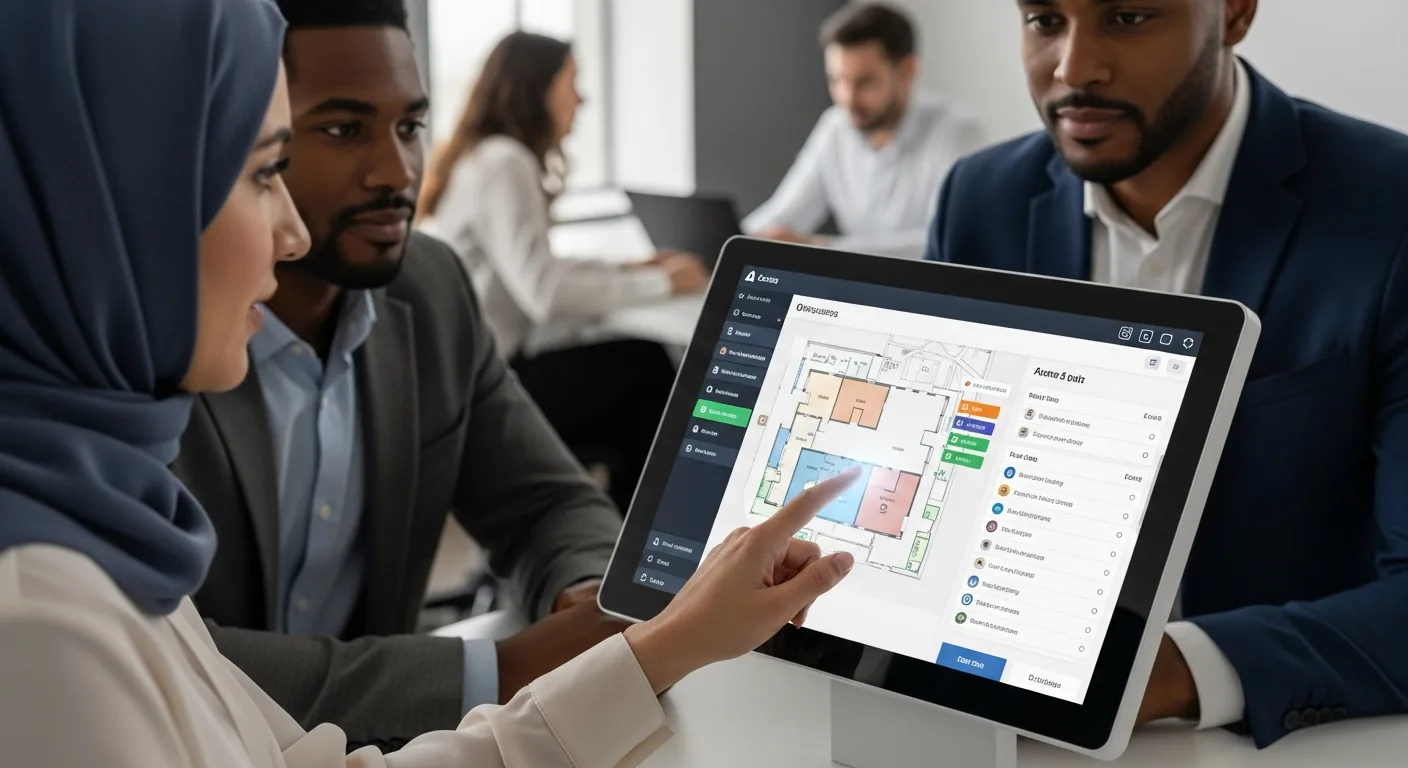
Access control software is the brain of a security system. It acts as a centralized platform that manages permissions, monitors entry points, and records activity across a facility or network. Unlike manual systems, this software allows administrators to grant or revoke access instantly, set schedules, and receive real-time alerts regarding unauthorized attempts.
While often associated with physical doors, modern iterations of these tools are increasingly bridging the gap between physical safety and comprehensive cloud application security, ensuring that both your server room and your sensitive data remain protected under a unified strategy.
Key Features of Modern Access Control Systems
When evaluating software solutions, look for these essential features that define a premium security posture:
- Mobile Credentials: Allowing employees to use their smartphones as digital keys via Bluetooth or NFC.
- Remote Management: The ability to lock or unlock doors and manage users from anywhere in the world via a web-based dashboard.
- Real-Time Audit Trails: Detailed logs of every entry and exit, which are crucial for compliance and forensic investigations.
- Biometric Integration: Supporting fingerprint, facial recognition, or iris scanning for high-security areas.
- Scalability: The flexibility to add new doors or locations without needing to replace the entire software infrastructure.
The Shift Toward Cloud-Based Solutions
The industry is moving away from clunky, on-premise servers toward cloud-based models. This shift is one of the most prominent automation trends in the B2B market, as it reduces hardware costs and simplifies maintenance. Cloud-hosted access control offers several advantages:
1. Automatic Updates: Security patches and feature updates are pushed automatically, ensuring the system is always protected against the latest vulnerabilities.
2. Lower Upfront Costs: By eliminating the need for dedicated on-site servers, businesses can shift their security spend to an OpEx model.
3. Enhanced Integration: Cloud systems easily connect with HR platforms, video surveillance, and alarm systems through APIs.
Choosing the Right Access Control Model
Not all access control software operates the same way. Depending on your organization’s needs, you might choose one of the following logic models:
Role-Based Access Control (RBAC)
Permissions are assigned based on the user’s role within the company (e.g., “Marketing” vs. “Engineering”). This is the most common and efficient method for medium to large businesses.
Attribute-Based Access Control (ABAC)
A more granular approach where access is granted based on a combination of attributes, such as the time of day, the user’s location, and the specific device they are using.
Discretionary Access Control (DAC)
The owner of the resource decides who is allowed access. While flexible, it is generally considered less secure for enterprise environments.
Conclusion
Investing in the right access control software is not just about keeping people out; it’s about creating a seamless, safe, and efficient environment for those who belong. By integrating mobile technology, cloud management, and smart automation, businesses can future-proof their security while gaining valuable insights into how their physical spaces are used.
Frequently Asked Questions
What is the difference between physical and logical access control?
Physical access control limits access to campuses, buildings, and rooms, while logical access control limits connections to computer networks, system files, and data.
Can access control software work during a power outage?
Most professional-grade systems include battery backups for local controllers, ensuring that the software’s programmed rules continue to function even if the main power or internet connection is lost.
How much does access control software cost?
Pricing typically follows a subscription model based on the number of doors or users, often ranging from $10 to $50 per door per month, plus initial hardware installation costs.