
How Does Modern Electrical Estimating Software Drive Profitability for Contractors?
In the high-stakes world of electrical contracting, the margin for error is razor-thin. A single miscalculation in wire length or a slight oversight in labor hours can turn a potentially lucrative project into a financial burden. As we navigate the complexities of the 2026 construction market, the reliance on manual spreadsheets is rapidly fading. Today, the modern electrical contractor understands that his success depends on his ability to produce fast, accurate, and professional bids using specialized electrical estimating software.
The Critical Shift from Manual to Digital Estimating
For decades, an estimator relied on his experience and a set of paper blueprints to determine project costs. While his intuition was valuable, the process was inherently slow and prone to human error. Digital transformation has replaced these manual workflows with automated systems that can process complex data in seconds. When a contractor adopts these tools, he gains a competitive edge by responding to RFPs faster than his peers who are still stuck in legacy processes.
This digital transition is essential for the contractor who manages several entities, much like how specialized accounting software for multiple businesses centralizes financial oversight. By centralizing his bidding data, he ensures that every estimate follows a standardized logic, reducing the risk of inconsistent pricing across different projects.
Core Features That Define High-Performance Software
What makes a specific platform stand out in 2026? It is no longer just about calculating numbers; it is about the integration of real-time data and intuitive workflows. Here are the features that provide the most value to an estimator:
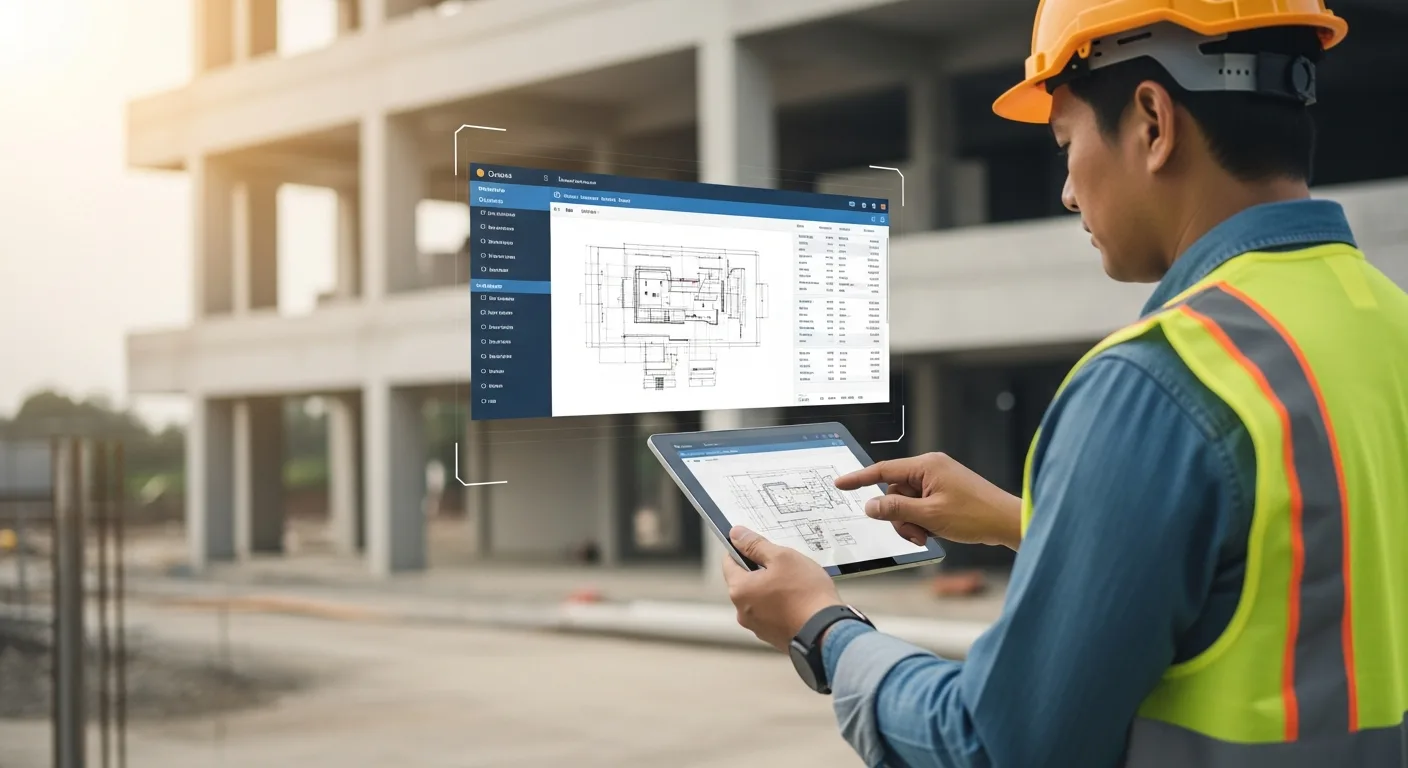
- Digital Takeoff Integration: He can upload digital blueprints and use point-and-click tools to measure lengths and count fixtures automatically.
- Real-Time Material Pricing: Integration with supplier databases allows him to see current market rates for copper, conduit, and components, ensuring his bid reflects today’s costs.
- Labor Rate Scaling: The software allows him to adjust labor units based on the difficulty of the installation or the skill level of his crew.
- Cloud-Based Collaboration: Whether he is in the office or on a job site, he can access his estimates from any device, ensuring he always has the latest version of the bid.
Enhancing Project Lifecycle Management
The utility of electrical estimating software extends far beyond the initial bid. Once a contract is won, the estimate serves as the roadmap for the entire project. Integrating these estimates into a broader project management framework for engineering tasks ensures the job stays on track from the first rough-in to the final inspection.
By using the data generated during the estimating phase, a contractor can better manage his inventory and schedule his labor force. He can compare his actual costs against his estimated costs in real-time, allowing him to make adjustments before a project goes over budget. This level of granular control is what separates profitable firms from those that merely break even.
The Impact on Professionalism and Win Rates
In a crowded market, the presentation of a bid matters as much as the price. Professional software generates clean, detailed, and branded proposals that instill confidence in a client. When an owner sees a comprehensive breakdown of materials and labor, he is more likely to trust the contractor’s expertise. This transparency reduces the number of questions and revisions, shortening the sales cycle and allowing the contractor to move on to his next opportunity more quickly.
Frequently Asked Questions
Can electrical estimating software integrate with my accounting tools?
Yes, most modern solutions allow an estimator to export his data directly into financial systems to streamline billing and job costing, ensuring his financial records are always accurate.
Is cloud-based software better than desktop versions?
Cloud-based options offer superior mobility and data security, allowing a contractor to update his bids and view project details from the job site in real-time without worrying about local hardware failures.
How long does it take for a contractor to see a return on investment?
Most contractors find that the software pays for itself within the first few major bids. The reduction in manual takeoff time and the elimination of costly mathematical errors provide an immediate boost to his bottom line.