How Does ERP and Supply Chain Integration Drive Business Growth?
The Backbone of Modern Logistics
A supply chain is only as strong as the data powering it. When a manager operates without a centralized system, he often finds himself chasing ghosts—missing shipments, inaccurate stock counts, and frustrated suppliers. This is where the synergy between ERP and supply chain management becomes a game-changer. By consolidating fragmented processes into a single platform, a leader gains the clarity needed to make high-stakes decisions with confidence.
In 2026, the speed of commerce leaves no room for manual data entry or siloed departments. An integrated system ensures that when a sales order is placed, the warehouse, procurement, and finance teams are notified instantly. This synchronization eliminates the lag time that typically kills profitability.
Real-Time Visibility and Data Accuracy
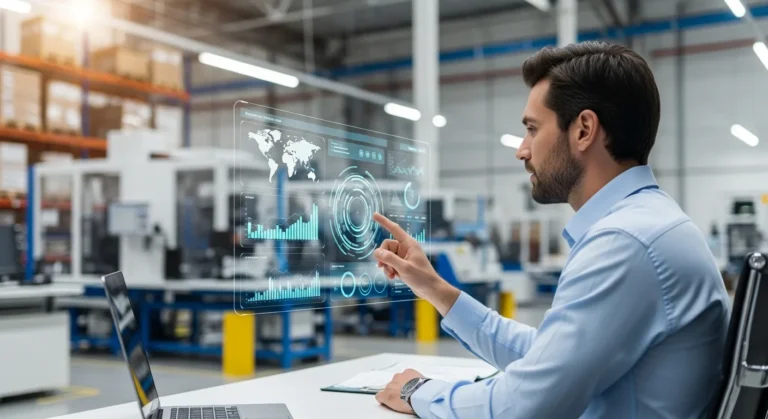
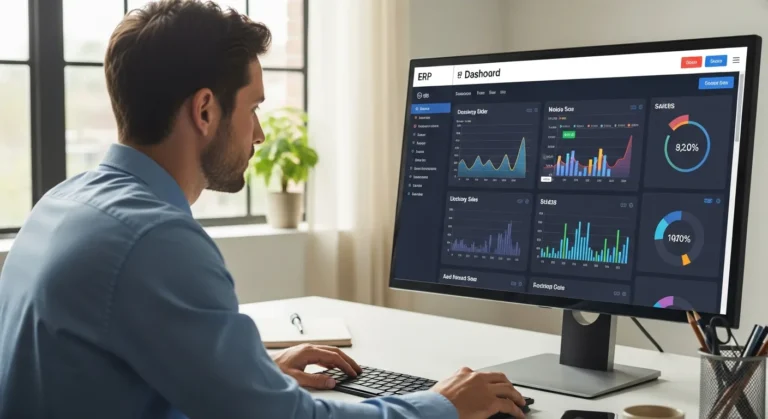
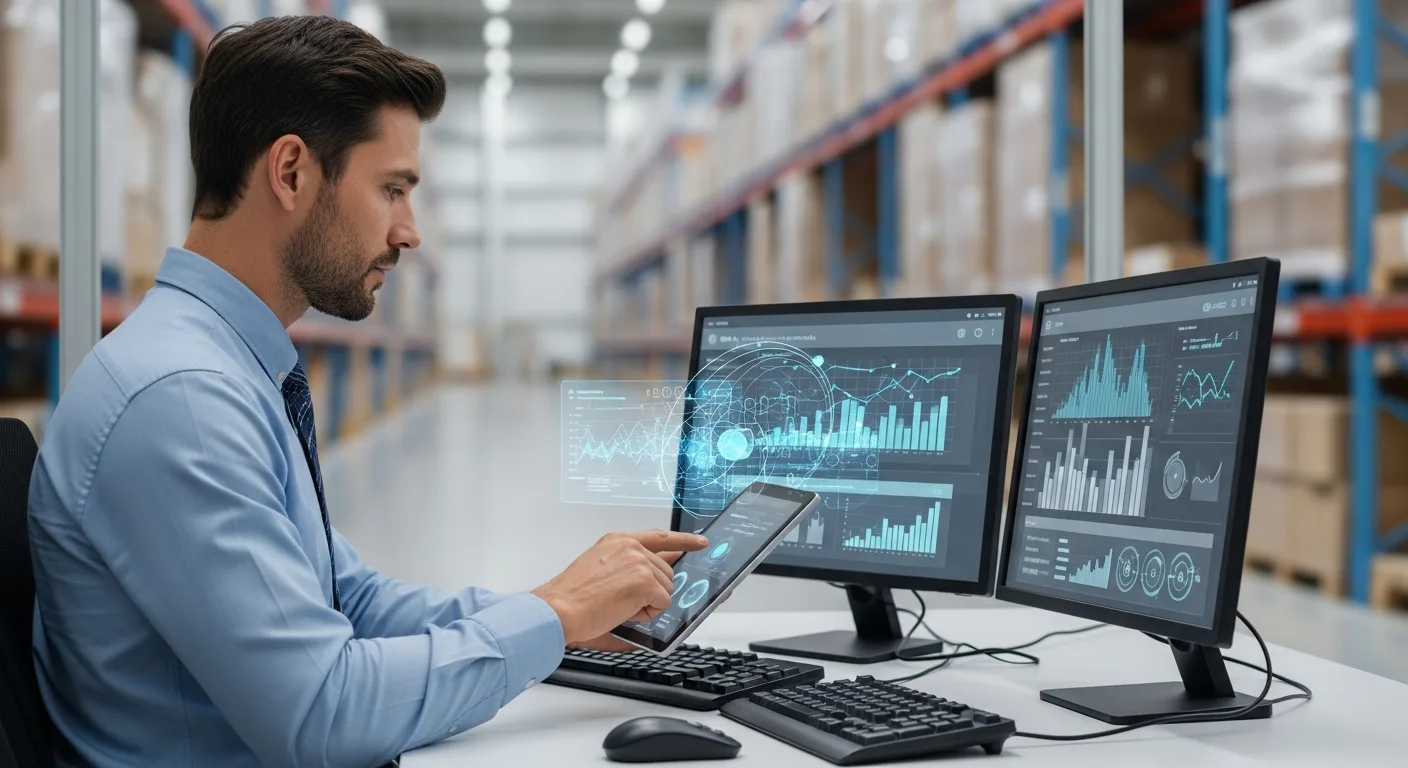
One of the most significant advantages for a logistics professional is the ability to see exactly where his assets are at any given moment. Without this, he is essentially flying blind. Mastering the erp and scm integration guide principles ensures that every department speaks the same language. When the ERP system pulls data from the supply chain, it creates a single source of truth.
Consider the impact on lead times. If a procurement officer knows a shipment is delayed due to a port strike, he can immediately pivot to an alternative supplier. This level of agility is impossible when data is trapped in spreadsheets. Real-time visibility allows him to mitigate risks before they escalate into costly disruptions.
Inventory Management and Demand Forecasting
Excess inventory is a silent profit killer. It ties up capital and occupies valuable warehouse space. Conversely, stockouts lead to lost sales and damaged reputations. An ERP system solves this by using historical data and predictive analytics to forecast demand accurately.
- Automated Reordering: The system triggers purchase orders when stock hits a specific threshold.
- Batch Tracking: He can monitor the lifecycle of products, which is vital for industries with expiration dates.
- Warehouse Optimization: ERP tools suggest the most efficient picking routes for staff, saving hours of labor.
By leveraging these features, a business owner ensures his shelves are lean but never empty. He can align his production schedules with actual market demand rather than relying on gut feelings.
Streamlining Procurement and Supplier Relations
The relationship between a buyer and his suppliers is the lifeblood of the supply chain. ERP systems streamline this interaction by automating the Procure-to-Pay (P2P) cycle. When a manager uses an integrated platform, he can track supplier performance metrics, such as on-time delivery rates and quality scores.
Investing in supply chain visibility software guide insights allows him to track raw materials from the source to the factory floor. This transparency builds trust. Suppliers appreciate the clear communication and timely payments that come with an automated ERP workflow, often leading to better pricing and priority service during shortages.
Overcoming Implementation Hurdles
Transitioning to an integrated ERP and supply chain model is not without its challenges. A project lead must ensure that his team is properly trained and that the data being migrated is clean. Most failures occur not because of the software, but because of a lack of clear strategy. He should focus on a phased rollout, starting with the most critical modules like inventory and procurement before expanding to complex logistics and AI-driven forecasting.
He must also prioritize mobile accessibility. In 2026, a floor supervisor needs to be able to update inventory levels or approve a purchase order from his tablet while walking the warehouse floor. This mobility ensures that the ERP system reflects the reality of the physical world in real-time.
Frequently Asked Questions
What is the main difference between ERP and SCM?
ERP is a broad system that handles internal business processes like finance, HR, and sales. SCM (Supply Chain Management) focuses specifically on the external movement of goods, from raw materials to the final customer. Integration brings these two together.
Can a small business benefit from ERP supply chain modules?
Yes. Modern cloud-based ERPs offer scalable modules. A small business owner can start with basic inventory and procurement tools and add more advanced features as his operations grow.
How does ERP improve inventory accuracy?
It eliminates manual entry errors by using barcode scanning and RFID integration. Every time a worker moves a pallet, the system updates automatically, ensuring the manager sees the exact stock levels at all times.