
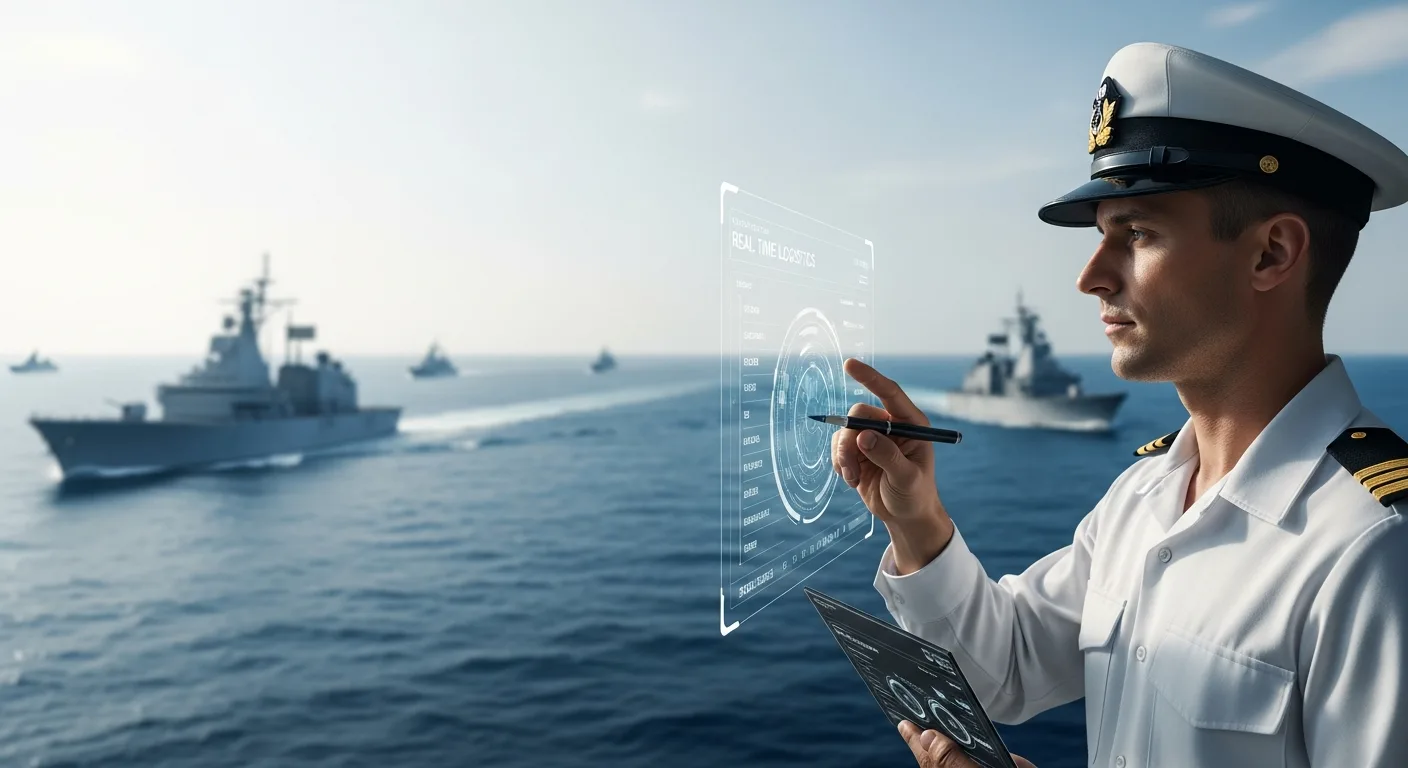
How Does Navy ERP Manage Global Fleet Logistics and Finance?
The Backbone of Naval Operational Readiness
Managing a global fleet of ships, aircraft, and personnel requires more than just tactical brilliance; it demands a massive, integrated data infrastructure. Navy ERP (Enterprise Resource Planning) serves as the U.S. Navy’s financial and supply chain backbone, consolidating disparate legacy systems into a single, cohesive platform. By leveraging SAP technology, he ensures that every dollar spent and every spare part moved is tracked with precision.
In 2026, the system has evolved far beyond simple bookkeeping. It now acts as a real-time decision-making engine that allows commanders to see the health of their supply chains and the status of their budgets instantly. This level of visibility is vital for maintaining audit readiness and ensuring that the warfighter has exactly what he needs, when he needs it.
Core Pillars of the Navy ERP System
The system is built on several functional pillars that work in tandem to support the Department of the Navy’s mission. These modules are not just software components; they represent the lifeblood of naval logistics.
- Financial Management: This is the core of the system. It handles general ledger, accounts payable, and asset accounting, ensuring the Navy meets federal financial standards.
- Supply Chain Management: From procurement to warehouse management, this pillar tracks millions of line items across the globe.
- Workforce Management: It manages the complex requirements of both civilian and military personnel, focusing on time tracking and labor distribution.
- Asset Management: Every hull, engine, and electronic component is tracked to optimize maintenance schedules and extend the life of critical hardware.
To keep these pillars standing, the role of a dedicated ERP specialist is essential. He must ensure that the data flowing through these modules remains accurate and that the system configuration aligns with evolving defense mandates.
Modernization and the Shift to the Cloud
The Navy has aggressively moved its ERP environment to the cloud to increase agility and security. This transition has allowed for faster updates and better integration with other Department of Defense (DoD) systems. By moving away from on-premise servers, the Navy has reduced its physical footprint and improved its disaster recovery capabilities.
Modernization also involves seamlessly connecting disparate data streams to create a “single source of truth.” In 2026, this means incorporating AI-driven analytics to predict supply shortages before they happen. If a commander knows a specific part is likely to fail based on historical data, he can proactively order a replacement, preventing downtime for a multi-billion dollar asset.
The Importance of Audit Readiness
One of the primary drivers behind the Navy ERP initiative was the need for a clean financial audit. Historically, the Navy struggled with fragmented data that made it difficult to account for every asset. With a centralized ERP, he can now produce a transparent trail of every transaction.
Auditability isn’t just about compliance; it’s about trust. When the Navy can prove exactly how it uses its allocated budget, it can better justify future funding requests to Congress. The system provides the rigorous controls and standardized processes necessary to maintain this high level of accountability.
Challenges in Defense-Scale ERP Implementation
Implementing a system of this magnitude is never without hurdles. The Navy faces unique challenges that commercial enterprises rarely encounter:
- Cybersecurity: Protecting sensitive military data from state-sponsored actors is a constant battle. The ERP must be hardened against sophisticated cyber threats.
- Scale: With hundreds of thousands of users across every time zone, the system must maintain high availability and performance.
- Legacy Integration: While the goal is a single system, many specialized legacy applications still exist. Bridging the gap between these old tools and the modern ERP requires complex middleware.
- User Training: A system is only as good as the person operating it. Ensuring that every sailor and civilian employee understands how to input data correctly is a massive, ongoing effort.
Frequently Asked Questions
What software is Navy ERP based on?
Navy ERP is built on the SAP platform, specifically tailored to meet the unique financial and logistical requirements of the United States Navy and the Department of Defense.
Who uses Navy ERP?
It is used by hundreds of thousands of personnel, including financial managers, supply chain officers, and civilian contractors who manage the Navy’s resources and assets.
How does Navy ERP improve fleet readiness?
By providing real-time data on parts availability and maintenance schedules, it ensures that ships and aircraft spend less time in repair and more time on mission-critical operations.
Is Navy ERP hosted in the cloud?
Yes, as of 2026, the Navy has successfully migrated its ERP system to a secure, government-authorized cloud environment to improve scalability and security.