
How Does Healthcare ERP Transform Patient Care and Hospital Operations?
The Shift from Back-Office to Bedside
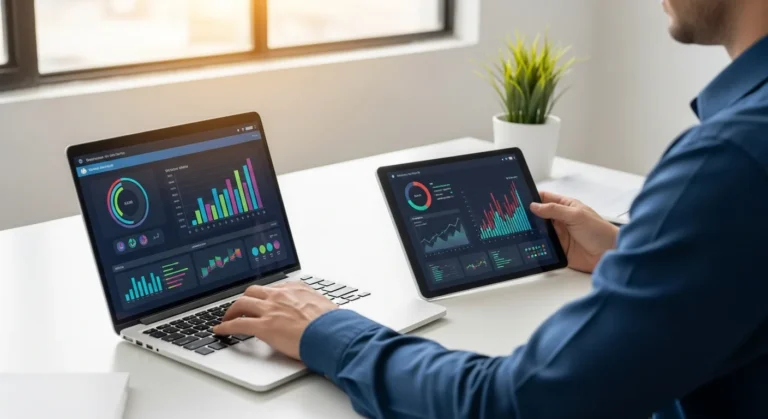
Managing a modern hospital is no longer just about clinical excellence; it is about managing a massive, data-driven enterprise. A healthcare ERP (Enterprise Resource Planning) system acts as the central nervous system of a medical facility, unifying disparate departments into a single, cohesive unit. In 2026, the role of the hospital administrator has shifted. He no longer spends his day chasing down paper trails or reconciling mismatched spreadsheets. Instead, he relies on real-time data to make life-saving decisions.
The primary goal of these systems is to break down silos. When a surgeon schedules a procedure, the ERP automatically checks inventory for the necessary implants, verifies the patient’s insurance coverage, and ensures the nursing staff is optimized for the recovery room. This level of synchronization is what separates a high-performing facility from one struggling with operational lag.
Core Modules Driving Medical Efficiency
A robust healthcare ERP isn’t a one-size-fits-all solution. It is a modular powerhouse designed to handle the unique pressures of the medical industry. Here are the essential components that every healthcare leader looks for:
- Financial Management: Automating billing, managing complex insurance claims, and tracking capital expenditure across multiple departments.
- Supply Chain & Inventory: Ensuring that critical supplies—from bandages to high-end pharmaceuticals—are always in stock without over-ordering.
- Human Capital Management: Managing physician rotations, nursing shifts, and payroll while staying compliant with labor laws.
- Patient Relationship Management: While not a full EMR, the ERP tracks the financial and administrative journey of the patient from admission to discharge.
By seamlessly connecting disparate departments, the ERP ensures that the Chief Financial Officer has as much visibility into the hospital’s health as the Chief Medical Officer has into the patients’.
Why Integration is the Heartbeat of the Hospital
The true power of a healthcare ERP lies in its ability to talk to other systems. In the past, the Electronic Medical Record (EMR) and the financial software lived in different worlds. Today, they are tethered. When a doctor prescribes a specific medication, the ERP immediately updates the pharmacy inventory and flags the cost for the billing department.
This integration reduces human error significantly. A pharmacist doesn’t have to guess if a medication is in stock; he sees it on his dashboard in real-time. This connectivity extends to external vendors as well, allowing for automated reordering of supplies based on actual usage patterns rather than manual counts.
Navigating the Challenges of Implementation
Deploying a healthcare ERP is a monumental task. It requires a complete overhaul of existing workflows, which can often lead to internal resistance. A hospital director must ensure his team is fully trained and understands the long-term benefits of the transition. Many facilities struggle during the initial phase because they underestimate the complexity of data migration.
Understanding common pitfalls in software deployment is essential for any executive planning this move. Often, failure stems from a lack of clear objectives or choosing a system that doesn’t scale with the hospital’s growth. He must prioritize a phased rollout to ensure that critical patient care is never compromised during the technical transition.
The Future: AI and Predictive Analytics in 2026
We are entering an era where the ERP does more than just record data; it predicts it. Modern systems now use machine learning to forecast patient admission rates based on seasonal trends or local health data. This allows a facility manager to adjust staffing levels before a surge even happens.
Predictive maintenance is another game-changer. The ERP can monitor the usage hours of an MRI machine and schedule a technician before the equipment breaks down. This proactive approach saves thousands in emergency repairs and, more importantly, prevents delays in patient diagnosis.
Frequently Asked Questions
What is the difference between an EMR and a Healthcare ERP?
An EMR (Electronic Medical Record) focuses strictly on clinical data and patient health history. A healthcare ERP manages the business side of the hospital, including finance, supply chain, and human resources. While they are different, they must be integrated for maximum efficiency.
How does an ERP improve patient safety?
By automating inventory and supply chain management, an ERP ensures that expired medications are flagged and that critical surgical tools are always available. It also reduces manual data entry errors in billing and scheduling, which indirectly improves the patient experience.
Is a cloud-based ERP better for hospitals?
Cloud-based systems offer better scalability and remote access, which is vital for hospital networks with multiple locations. It allows a manager to oversee several clinics from a single dashboard, ensuring consistency in policy and procurement across the entire organization.
How long does it take to implement a healthcare ERP?
Depending on the size of the facility, a full implementation can take anywhere from 12 to 24 months. This includes the discovery phase, data migration, staff training, and the final go-live period.