How to Master Your Culinary Space with the Right Kitchen Tools and Equipment
Defining the Foundation of a Professional Kitchen
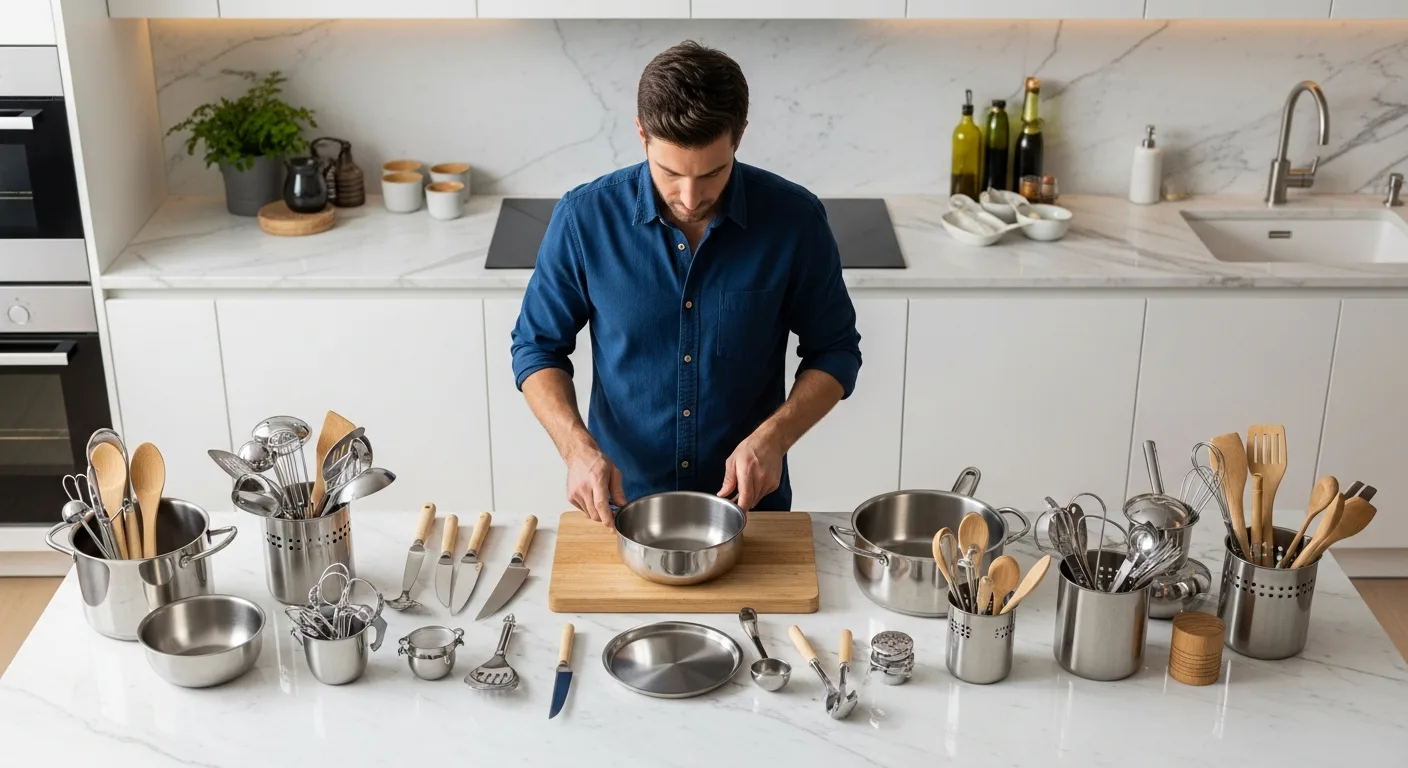
A chef is only as good as his tools. When a professional enters his workspace, he relies on a specific set of kitchen tools and equipment to execute his vision with precision. Understanding the difference between basic utensils and high-performance machinery is the first step toward culinary mastery. In the modern era, the line between traditional craftsmanship and technological integration has blurred, providing the contemporary cook with unprecedented control over his environment.
Essential Prep Tools for Every Culinary Task
The preparation stage is where the magic begins. A chef ensures his knives are razor-sharp, as a dull blade is his greatest enemy. High-carbon stainless steel knives, heavy-duty cutting boards, and precision measuring scales form the core of his toolkit. Without these, his ability to maintain consistency across hundreds of plates would be compromised.
- Chef’s Knife: The most versatile tool in his arsenal, used for everything from mincing garlic to carving meats.
- Mandoline Slicer: Essential for achieving uniform thickness in vegetables for garnishes or gratins.
- Digital Scales: Precision is paramount; a professional weighs his ingredients to ensure his recipes are repeatable every single time.
Advanced Cooking Equipment for the Modern Era
As we move further into 2026, the integration of technology into the kitchen has become seamless. High-end induction cooktops and smart ovens allow a cook to maintain exact temperatures that were once impossible to stabilize. For those managing large-scale operations, utilizing efficient systems to track asset performance ensures that no piece of equipment fails during a peak dinner rush, keeping his workflow uninterrupted.
Scaling Up: Commercial Kitchen Equipment
When moving from a home setup to a professional or industrial environment, the scale of kitchen tools and equipment changes drastically. Combi-ovens, industrial mixers, and blast chillers become the workhorses of the kitchen. Managing these high-value assets requires a deep understanding of overcoming production hurdles to maintain consistent quality and safety standards across the board. A head chef must be as much a manager of his machinery as he is a creator of his menu.
Maintenance and Longevity of Culinary Tools
Investing in premium equipment is only half the battle; the other half is maintenance. A dedicated professional takes pride in the care of his gear. He knows that regular honing of his blades, deep cleaning of his ranges, and recalibration of his thermometers are non-negotiable tasks. This discipline extends the life of his investment and ensures that his kitchen remains a safe, efficient, and high-performing space.
Frequently Asked Questions
What are the top three must-have tools for a beginner chef?
A beginner should prioritize a high-quality chef’s knife, a sturdy cast-iron skillet, and a reliable digital thermometer to ensure his proteins are cooked perfectly and safely.
How often should professional kitchen equipment be serviced?
A professional chef typically schedules maintenance for his heavy machinery, such as ovens and refrigeration units, every six months to prevent unexpected breakdowns.
Is induction better than gas for professional cooking?
Many modern chefs are moving toward induction because it offers superior temperature control and a cooler working environment, allowing him to work more comfortably for longer hours.