
Is Pragma ERP the Right Choice for Your Business Growth?
Understanding the Pragma ERP Ecosystem
Scaling a business in 2026 requires more than just hard work; it demands a central nervous system that connects every department. Pragma ERP has emerged as a formidable contender in the enterprise resource planning space, offering a suite of tools designed to eliminate data silos. When a business leader evaluates his current infrastructure, he often finds that fragmented systems are the primary bottleneck to growth.
Pragma ERP provides a unified platform where finance, human resources, supply chain, and customer relations coexist. This integration ensures that when a sales manager closes a deal, the inventory levels update automatically, and the finance team sees the projected revenue in real-time. By centralizing these functions, the software allows an executive to make informed decisions based on accurate, live data rather than outdated weekly reports.
Core Modules and Functional Depth
The strength of Pragma ERP lies in its modularity. A business owner doesn’t have to overhaul his entire operation overnight; he can implement specific modules that address his most pressing pain points first. Key modules include:
- Advanced Inventory Management: Real-time tracking across multiple warehouses.
- Financial Suite: Automated ledger entries, tax compliance, and multi-currency support.
- CRM Integration: Managing the full customer lifecycle from lead to loyalty.
- Production Planning: Optimizing shop floor schedules and resource allocation.
For those in the industrial sector, the platform excels at boosting manufacturing erp software efficiency by automating complex shop-floor schedules and reducing material waste. This level of granular control is what sets Pragma apart from generic accounting software.
Strategic Implementation and Integration
Deploying an ERP is a significant undertaking. Pragma focuses on a streamlined implementation methodology to reduce downtime. When a project manager begins the rollout, he must ensure that the legacy data is cleaned and mapped correctly to the new system. This phase is critical for maintaining data integrity and ensuring a smooth transition for the workforce.
Integration is another area where Pragma shines. In the modern tech stack, no software exists in a vacuum. When a manager decides to overhaul his tech stack, he must consider various erp integration strategies to ensure data flows seamlessly between departments and third-party applications like e-commerce platforms or specialized logistics tools.
Why Pragma ERP Stands Out in 2026
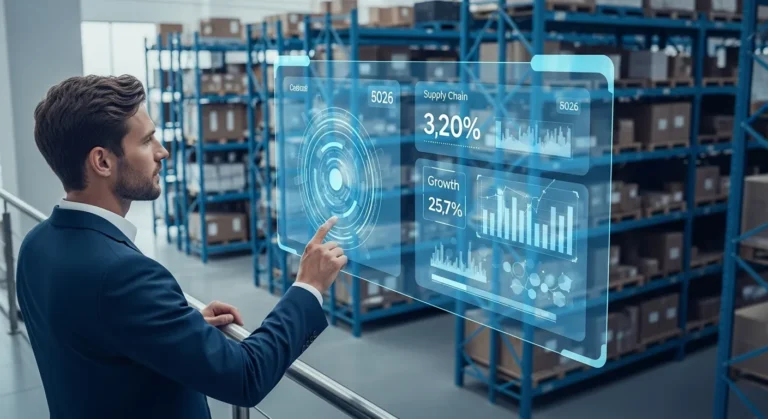
The 2026 business environment demands agility. Pragma ERP has adapted by incorporating AI-driven analytics that predict supply chain disruptions before they happen. If a procurement officer notices a potential delay in raw materials, the system can automatically suggest alternative vendors or adjust production timelines to minimize the impact on the bottom line.
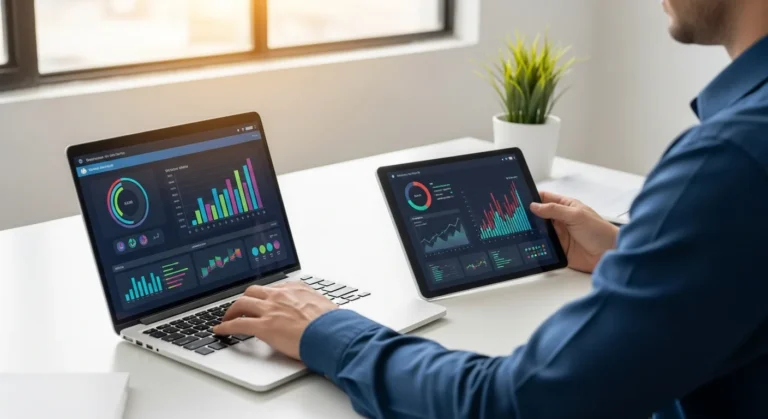
Furthermore, the user interface has been refined to prioritize the user experience. A warehouse supervisor can access the system via a tablet, updating stock levels on the go, while the CEO views high-level KPIs on his dashboard. This accessibility ensures that every employee, regardless of his role, has the tools he needs to contribute to the company’s success.
Frequently Asked Questions
What industries benefit most from Pragma ERP?
Pragma ERP is highly versatile but sees the most significant impact in manufacturing, wholesale distribution, and professional services. Its ability to handle complex inventory and project-based billing makes it a favorite for mid-sized to large enterprises.
Is Pragma ERP cloud-based or on-premise?
The software offers a hybrid approach. While most modern businesses prefer the cloud for its scalability and remote access, Pragma still provides on-premise options for companies with strict data sovereignty requirements or limited internet connectivity.
How does Pragma ERP handle financial reporting?
It automates the entire financial lifecycle. From accounts payable to complex year-end audits, the system generates reports that comply with international standards, allowing a CFO to maintain full transparency over his organization’s financial health.
Can Pragma ERP scale with a growing business?
Yes, the modular nature of the software means a business can start with basic financial and inventory tools and add advanced modules like AI forecasting or global supply chain management as his operations expand.