
Why Process Manufacturing ERP is the Backbone of Modern Batch Production?
The Complexity of Mixing vs. Assembling
Imagine a chef trying to manage a five-star kitchen using a manual for a car assembly plant. It wouldn’t work. While discrete manufacturing focuses on putting parts together to create a distinct item—like a bicycle or a smartphone—process manufacturing deals with formulas, recipes, and chemical reactions. Once you mix the ingredients for a batch of industrial paint or a pharmaceutical tablet, you cannot easily take them apart.
This fundamental difference is why a generic ERP often fails the modern plant manager. He needs a system that understands potency, shelf life, and batch scaling. A dedicated process manufacturing ERP provides the granular control necessary to ensure that every gallon, pound, or liter produced meets exact specifications without wasting expensive raw materials.
Why Process Manufacturing Needs a Specialized ERP
In a process environment, the Bill of Materials (BOM) is replaced by a formula or recipe. This isn’t just a semantic difference; it changes how the software calculates costs and manages inventory. If a manufacturer is producing a beverage, he might deal with ingredients that vary in potency. A specialized ERP allows him to adjust the recipe dynamically based on the strength of the raw materials on hand.
Furthermore, addressing complex regulatory hurdles in food production or chemical processing requires airtight documentation. A process-specific system automates this by tracking every ingredient from the moment it enters the warehouse until the finished product reaches the customer. If a recall occurs, the manager can identify the specific batch and its components in seconds, rather than days.
Core Features That Drive Efficiency
To stay competitive in 2026, a manufacturer must look beyond basic accounting modules. He needs tools designed for the physical realities of his shop floor. Here are the non-negotiable features of a high-tier process manufacturing ERP:
- Batch Tracking and Traceability: Full forward and backward visibility. This ensures compliance with FDA, REACH, or GHS standards.
- Formula Management: The ability to scale batches up or down automatically while maintaining the correct ratios of ingredients.
- Quality Control (QC): Integrated testing points throughout the production cycle. If a batch fails a pH test, the system should automatically put it on hold.
- Co-product and By-product Management: In process industries, one production run often results in multiple outputs. The ERP must account for these secondary products and their associated costs.
Understanding the core advantages of modern industrial systems helps a business owner realize that generic software won’t cut it for batch-based workflows. He needs a system that speaks the language of his chemists and production leads.
Discrete vs. Process ERP: The Critical Differences
The primary distinction lies in the unit of measure. Discrete manufacturers count units (10 screws, 2 engines). Process manufacturers measure weight, volume, and density. A process manufacturing ERP handles catch weight—where the weight of an item may vary slightly from the standard—which is vital for industries like meat processing or chemical distribution.
Inventory management also differs significantly. In a discrete setup, parts sit on a shelf indefinitely. In process manufacturing, the manager deals with expiration dates and re-test dates. The ERP must proactively alert him when a raw material is nearing its end-of-life to prevent costly write-offs.
Selecting the Right System for Your Plant
When a leader begins his search for a new system, he should prioritize industry-specific functionality over a flashy user interface. He should ask potential vendors how their software handles “loss factors”—the inevitable evaporation or waste that occurs during a chemical reaction or cooking process. If the ERP cannot calculate yield versus actual output, it will provide inaccurate costing data.
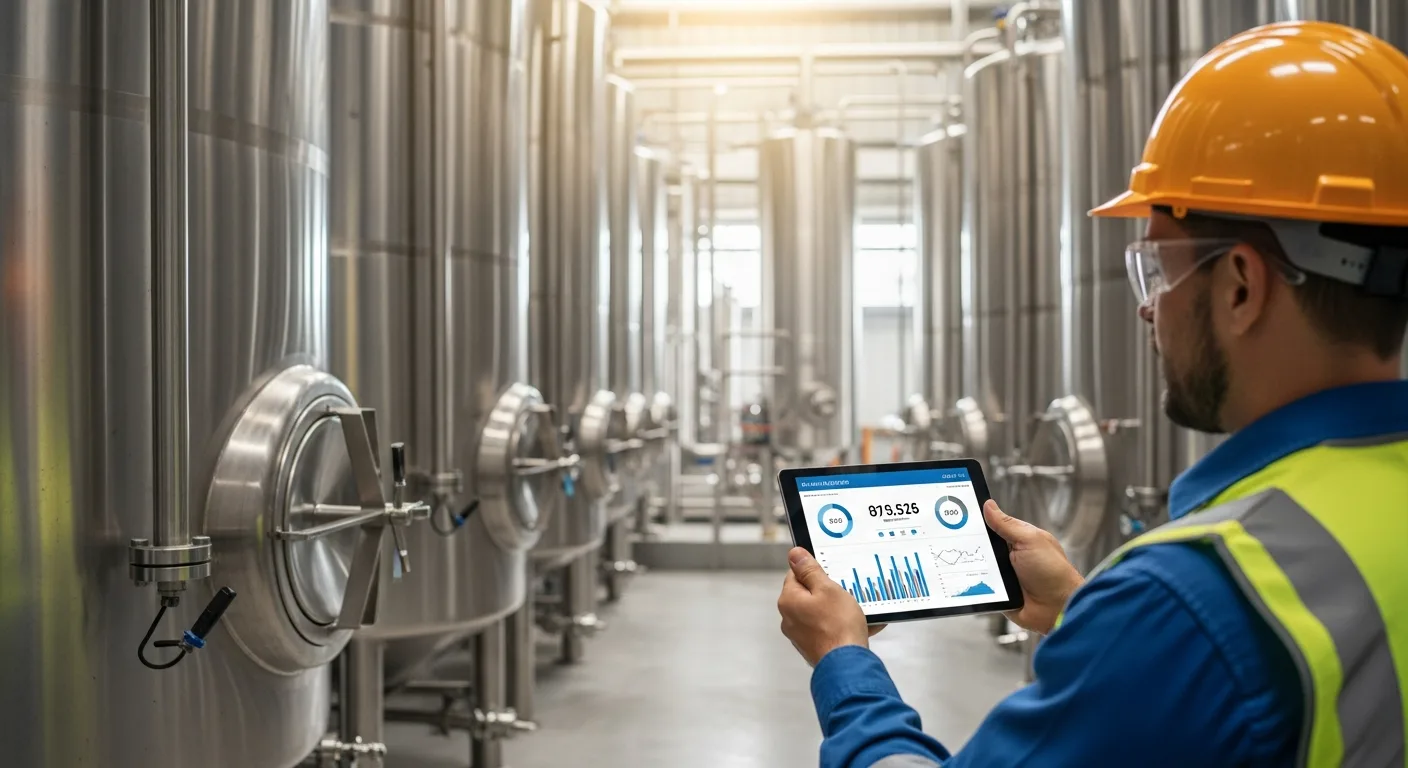
Implementation is the next hurdle. He must ensure his team is trained on how to input data correctly. A process manufacturing ERP is only as good as the data it receives. By integrating sensors and IoT devices directly into the ERP, he can capture real-time data from the mixing vats, reducing human error and providing a crystal-clear picture of his margins.
Frequently Asked Questions
What is the main difference between process and discrete manufacturing?
Process manufacturing uses formulas to blend ingredients into a product that cannot be disassembled (like juice), while discrete manufacturing assembles parts into a distinct item (like a car).
Can a process ERP handle quality control?
Yes, specialized process ERPs have built-in quality control modules that require specific tests to be passed before a batch can move to the next stage of production or shipping.
How does formula scaling work in an ERP?
The software automatically adjusts the quantity of every ingredient in a recipe based on the desired total output or the quantity of a specific “key” ingredient available in stock.
Is batch tracking mandatory for all process manufacturers?
While not always legally required in every industry, it is a best practice for safety, quality assurance, and protecting the manufacturer from liability in the event of a product defect.