Accounting Software News Today: AI, ESG & Cloud Trends 2026
In today’s fast-paced business environment, staying updated with the latest accounting software news today is crucial for financial efficiency and compliance. The landscape is rapidly evolving with innovations in artificial intelligence, sustainability reporting, and cloud integration, transforming how businesses manage their finances. This article provides a comprehensive overview of the most significant developments, helping you navigate the changes and leverage new tools for better financial management.
Today’s accounting software news highlights AI-driven automation for tasks like invoice processing, ESG reporting features for sustainability compliance, and real-time cloud-based dashboards that offer instant financial insights. These trends are reshaping how businesses handle accounting in 2026, with a focus on efficiency, transparency, and adaptability.
AI-Driven Automation in Accounting Software
Artificial intelligence is revolutionizing accounting software by automating repetitive tasks and enhancing accuracy. Recent updates include machine learning algorithms that can process invoices, categorize expenses, and predict cash flow with minimal human intervention. This not only saves time but also reduces errors, allowing finance teams to focus on strategic decision-making. For example, AI tools can now automatically reconcile transactions and flag discrepancies, improving audit readiness. As businesses adopt more B2B service automation, accounting platforms are integrating these capabilities to streamline operations across multiple departments.
- Automated invoice processing using OCR technology
- Predictive forecasting for revenue and expenses
- Real-time anomaly detection in financial data
- Chatbots for customer support and query resolution
ESG Reporting and Sustainability Features
Environmental, Social, and Governance (ESG) reporting has become a priority for many companies, and accounting software is adapting to meet this demand. New features include tools for tracking carbon emissions, social impact metrics, and governance compliance, all integrated into financial reports. This helps businesses align with regulatory requirements and stakeholder expectations. Software updates now offer customizable dashboards that visualize ESG data alongside traditional financial metrics, providing a holistic view of performance. As sustainability gains importance, these features are essential for companies looking to enhance their corporate responsibility efforts.
- Carbon footprint calculation modules
- Social impact tracking for community investments
- Governance compliance checklists and alerts
- Integration with global ESG frameworks like GRI and SASB
Real-Time Cloud-Based Dashboards
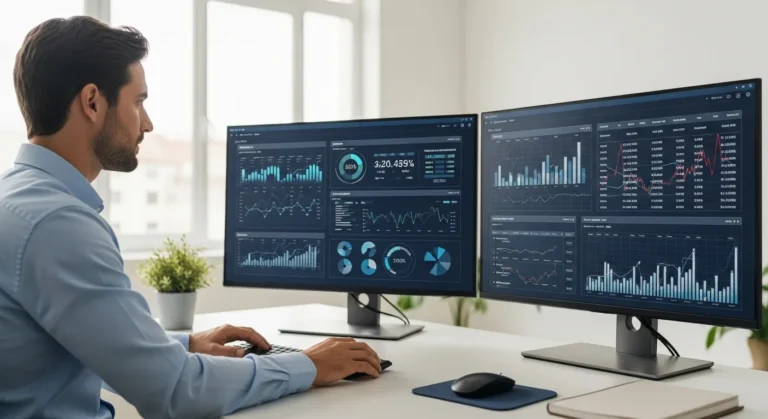
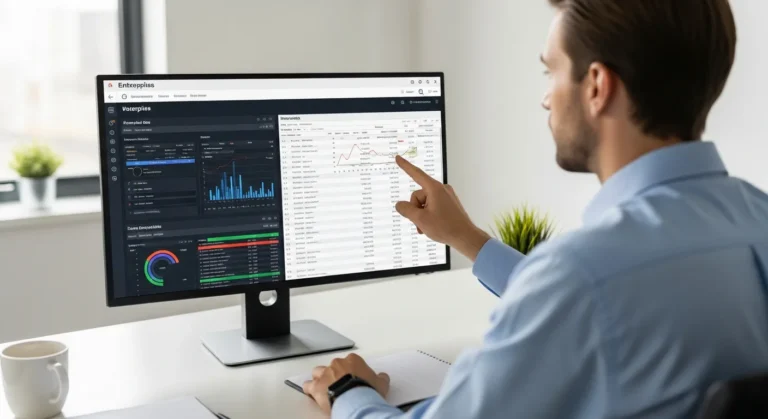
Cloud technology continues to dominate accounting software news today, with real-time dashboards offering instant access to financial data from any device. These dashboards provide customizable views of key performance indicators (KPIs), cash flow, and budget variances, enabling proactive management. Updates include enhanced data visualization tools, such as interactive charts and graphs, that make complex information easier to understand. For businesses operating across multiple locations, cloud-based solutions ensure consistency and collaboration, as seen in accounting software for multiple businesses. Security remains a top focus, with advancements in encryption and access controls to protect sensitive financial information.
| Feature | Benefit | Example Software |
|---|---|---|
| Real-time data sync | Instant updates across all devices | QuickBooks Online |
| Customizable KPIs | Tailored insights for decision-making | Xero |
| Multi-user collaboration | Team access and editing in real-time | FreshBooks |
| Mobile app integration | On-the-go financial management | Sage Intacct |
Integration with Other Business Tools
Modern accounting software is increasingly designed to integrate seamlessly with other business applications, such as CRM systems, payroll services, and e-commerce platforms. This connectivity reduces manual data entry and ensures consistency across operations. Recent news highlights APIs and pre-built connectors that allow for easy synchronization, improving workflow efficiency. For instance, integrating accounting software with project management tools can automate billing and expense tracking, as discussed in project management software architecture. These integrations are key to creating a unified business ecosystem that supports growth and scalability.
- CRM integration for customer financial data
- Payroll automation for accurate employee payments
- E-commerce sync for sales and inventory tracking
- Bank feed connections for real-time transaction updates
Security and Compliance Updates
With rising cyber threats, security features in accounting software are constantly evolving. Today’s news includes updates on advanced encryption, multi-factor authentication, and compliance with regulations like GDPR and SOX. Software providers are also offering automated compliance checks to help businesses avoid penalties. For example, cloud-based platforms now include audit trails that log every action, enhancing transparency and accountability. As businesses move more operations online, cloud application security practices are critical to safeguarding financial data. Regular software patches and vulnerability assessments are becoming standard to address emerging risks.
- End-to-end encryption for data protection
- Multi-factor authentication for user access
- Automated regulatory compliance reporting
- Regular security audits and updates
Pricing Trends and Models
Pricing models for accounting software are shifting towards subscription-based and tiered plans, offering flexibility for businesses of all sizes. Recent trends include AI-driven pricing optimization, where software adjusts costs based on usage and features. News today highlights the rise of freemium models that provide basic functionalities for free, with premium upgrades for advanced tools. This aligns with broader SaaS pricing trends, where value-based pricing and customization are key. Businesses can now choose plans that scale with their needs, reducing upfront costs and improving ROI.
Future Outlook and Predictions
Looking ahead, accounting software is expected to become more predictive and personalized, leveraging AI to offer tailored financial advice. Innovations like blockchain for secure transactions and IoT integration for real-time asset tracking are on the horizon. The focus will remain on enhancing user experience through intuitive interfaces and mobile optimization. As technology advances, staying informed through resources like AI tools and models will help businesses adapt. The future promises even greater automation and connectivity, making accounting more efficient and strategic.
Frequently Asked Questions
What are the key trends in accounting software news today?
The key trends include AI-driven automation for tasks like invoice processing, ESG reporting features for sustainability, and real-time cloud-based dashboards that provide instant financial insights. These updates focus on improving efficiency, compliance, and data accessibility.
How is AI changing accounting software?
AI is automating repetitive tasks such as data entry and reconciliation, enhancing accuracy with predictive analytics, and offering chatbots for support. This reduces manual effort and allows finance teams to focus on strategic activities.
Why is ESG reporting important in accounting software?
ESG reporting helps businesses track and report on environmental, social, and governance metrics, which are increasingly required by regulators and stakeholders. Accounting software with ESG features ensures compliance and supports corporate responsibility goals.
What are the benefits of cloud-based accounting dashboards?
Cloud-based dashboards offer real-time access to financial data from any device, customizable views of KPIs, and enhanced collaboration. They improve decision-making and operational efficiency by providing up-to-date insights.
How do accounting software integrations work?
Integrations connect accounting software with other business tools like CRM or payroll systems using APIs or pre-built connectors. This automates data flow, reduces errors, and creates a unified workflow across departments.
What security features should I look for in accounting software?
Look for end-to-end encryption, multi-factor authentication, automated compliance checks, and regular security updates. These features protect sensitive financial data from cyber threats and ensure regulatory adherence.
Are there affordable options for small businesses?
Yes, many accounting software providers offer tiered or subscription-based plans, including freemium models with basic features for free. This allows small businesses to access essential tools without high upfront costs.
What is the future of accounting software?
The future will see more predictive AI, blockchain integration, and personalized financial insights. Software will become more intuitive and connected, driving greater automation and strategic value for businesses.
Frequently Asked Questions
What are the key trends in accounting software news today?
The key trends include AI-driven automation for tasks like invoice processing, ESG reporting features for sustainability, and real-time cloud-based dashboards that provide instant financial insights. These updates focus on improving efficiency, compliance, and data accessibility.
How is AI changing accounting software?
AI is automating repetitive tasks such as data entry and reconciliation, enhancing accuracy with predictive analytics, and offering chatbots for support. This reduces manual effort and allows finance teams to focus on strategic activities.
Why is ESG reporting important in accounting software?
ESG reporting helps businesses track and report on environmental, social, and governance metrics, which are increasingly required by regulators and stakeholders. Accounting software with ESG features ensures compliance and supports corporate responsibility goals.
What are the benefits of cloud-based accounting dashboards?
Cloud-based dashboards offer real-time access to financial data from any device, customizable views of KPIs, and enhanced collaboration. They improve decision-making and operational efficiency by providing up-to-date insights.
How do accounting software integrations work?
Integrations connect accounting software with other business tools like CRM or payroll systems using APIs or pre-built connectors. This automates data flow, reduces errors, and creates a unified workflow across departments.
What security features should I look for in accounting software?
Look for end-to-end encryption, multi-factor authentication, automated compliance checks, and regular security updates. These features protect sensitive financial data from cyber threats and ensure regulatory adherence.
Are there affordable options for small businesses?
Yes, many accounting software providers offer tiered or subscription-based plans, including freemium models with basic features for free. This allows small businesses to access essential tools without high upfront costs.
What is the future of accounting software?
The future will see more predictive AI, blockchain integration, and personalized financial insights. Software will become more intuitive and connected, driving greater automation and strategic value for businesses.