
How Does Modern Job Tracking Software Solve Workflow Bottlenecks?
The Critical Role of Job Tracking in Modern Operations
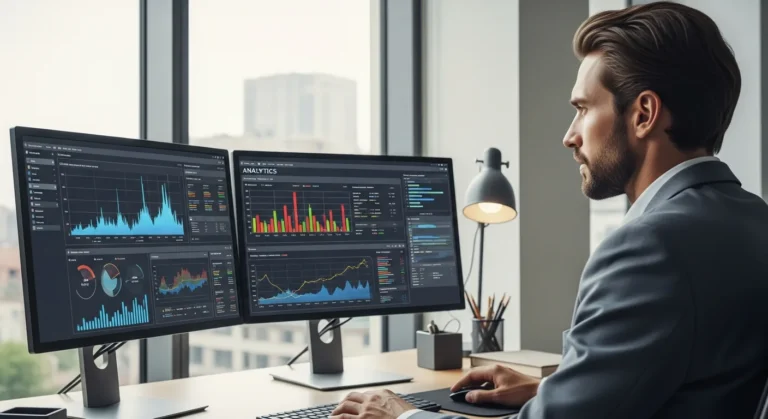
In the fast-paced business landscape of 2026, the ability for a manager to maintain a clear overview of every moving part in his organization is no longer a luxury—it is a necessity. Job tracking software has evolved from simple digital to-do lists into sophisticated command centers that provide real-time visibility into every stage of a project. When a supervisor can see exactly where a task stands, he can identify friction points before they become costly delays.
By centralizing data, these platforms eliminate the need for constant status update meetings. Instead, a manager can simply open his dashboard to see which phase a job is in, who is responsible for the current step, and whether the timeline is still on track. This level of transparency fosters a culture of high performance and precision.
Eliminating Information Silos and Communication Gaps
One of the primary causes of workflow bottlenecks is the fragmentation of information. When a team member has to hunt through emails or chat logs to find his next set of instructions, productivity stalls. Modern job tracking software serves as a single source of truth. Every document, comment, and deadline is attached directly to the job record.
This centralization is particularly vital for field service industries. When a technician is out on a site, he needs immediate access to the job history and client requirements. By utilizing job scheduling software for business optimization, the manager ensures that his field staff has everything needed to complete the work efficiently without unnecessary back-and-forth communication.
Enhancing Accountability Through Real-Time Data
Accountability is the cornerstone of any successful enterprise. Job tracking software provides a clear audit trail of who did what and when. This is not about micromanagement; rather, it is about providing the manager with the data he needs to support his team. If he notices that a specific stage of a project consistently takes longer than expected, he can investigate the cause and provide additional resources or training.
Furthermore, understanding how digital workplace software transforms productivity allows a leader to see the bigger picture of his organizational health. He can identify his top performers and replicate their workflows across the rest of the department, ensuring a standardized level of excellence.
Key Features to Look for in 2026
As we move through 2026, the most effective job tracking tools are those that leverage automation and predictive analytics. A manager should look for features that not only track the present but also help him forecast the future. Key features include:
- Automated Status Triggers: Automatically moving a job to the next stage once a specific task is marked complete.
- Resource Allocation Maps: Visualizing the workload of every employee to ensure no one is over-encumbered.
- Mobile Accessibility: Ensuring the worker can update his progress from any device, anywhere.
- Integrated Reporting: Generating instant insights into profit margins and time-to-completion for every job.
Frequently Asked Questions
What is the main difference between job tracking and project management?
While project management often focuses on long-term goals and complex dependencies, job tracking is typically more granular. It focuses on the specific lifecycle of an individual piece of work or service order, ensuring that each step is completed according to a set standard.
Can job tracking software help with remote teams?
Yes, it is essential for remote operations. It allows a manager to maintain oversight of his team’s progress without needing to be in the same physical location, providing a digital hub for collaboration and reporting.
Is it worth investing in specialized tracking tools instead of using spreadsheets?
Absolutely. Spreadsheets are static and prone to human error. Specialized software provides real-time updates, automated notifications, and deep analytical insights that a spreadsheet simply cannot replicate, ultimately saving the manager time and increasing his bottom line.
How does it improve customer satisfaction?
When a manager has accurate data at his fingertips, he can provide clients with precise updates on their job status. This reliability builds trust and ensures that deadlines are met consistently.