
Why ERP and Cloud Computing are the Power Couple of Modern Business?
Breaking the Chains of On-Premise Infrastructure
For decades, running an Enterprise Resource Planning (ERP) system meant housing massive, humming servers in a dedicated room. A business owner had to employ a full team just to keep the hardware cooled and the cables organized. Cloud computing has fundamentally dismantled this model. By moving ERP to the cloud, a leader shifts his focus from maintaining hardware to optimizing business logic.
The marriage of ERP and cloud computing allows for a level of agility that was previously impossible. Instead of waiting weeks for a new server to arrive, a manager can scale his computing power in minutes. This transition isn’t just about saving space; it’s about transforming the ERP from a static record-keeper into a dynamic engine for growth.
Real-Time Data Accessibility for the Modern Leader
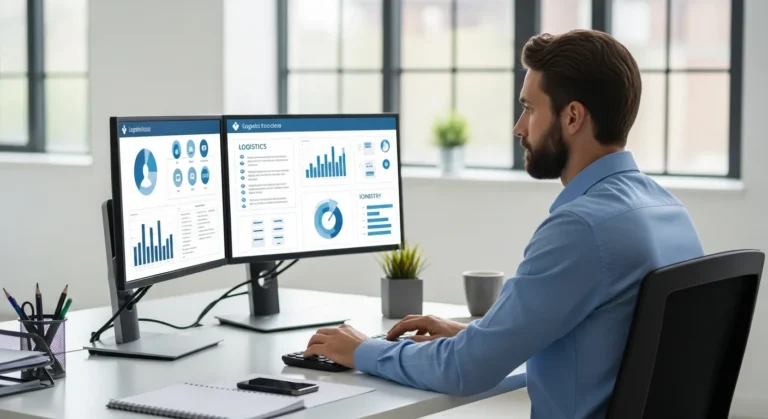
In 2026, a decision-maker cannot afford to wait for end-of-month reports. He needs to know his inventory levels, cash flow, and supply chain status at any given moment. Cloud-based ERP systems deliver this by centralizing data in a secure, web-accessible environment. Whether he is at his desk or traveling for a conference, he can access the same high-level analytics from his tablet or smartphone.
This accessibility fosters a culture of transparency. When a warehouse manager updates a shipment status, the sales lead sees it instantly. There is no lag, no data silos, and no “version control” issues with spreadsheets. Many professionals often ask if Salesforce qualifies as an ERP system, highlighting the blurred lines in cloud-native business software that prioritizes this type of instant data flow.
Cost Efficiency and the End of Capital Expenditure
Traditional ERP implementations were notorious for their massive upfront costs. A CFO had to approve huge capital expenditures for licenses and hardware before the software even went live. Cloud computing flips this to an Operating Expenditure (OpEx) model. You pay for what you use, usually through a monthly or annual subscription.
- Lower Entry Barrier: Small business owners can now access the same powerful tools as Fortune 500 companies.
- Automatic Updates: The vendor handles patches and upgrades, ensuring the user always has the latest features without manual intervention.
- Reduced IT Overhead: A company can lean out its IT department, allowing its specialists to focus on innovation rather than troubleshooting server racks.
Security and Data Integrity in the Cloud
A common hesitation for the old-school executive was the fear of losing control over his data. However, modern cloud providers invest billions in security—far more than any individual mid-sized company could ever afford. These systems feature multi-layer encryption, biometric access at data centers, and automated backups that protect against ransomware and hardware failure.
When a security officer reviews his protocols, he finds that cloud ERPs offer superior disaster recovery. If a local office suffers a fire or flood, the business data remains untouched and accessible from any other location. This resilience is a cornerstone of modern risk management.
The Role of APIs and Ecosystem Synergy
Cloud ERPs do not exist in a vacuum. Their true power lies in their ability to talk to other software—from CRM platforms to specialized logistics tools. This connectivity is driven by Application Programming Interfaces (APIs). When a CTO plans his digital roadmap, he often looks at an extensive ERP integration guide to ensure his cloud stack communicates effectively across all departments.
This ecosystem synergy means that data flows automatically between the ERP and third-party apps. For instance, an e-commerce order can trigger an inventory deduction in the ERP, generate a shipping label in a logistics tool, and update the customer’s profile in the CRM—all without a single human finger touching a keyboard.
Choosing the Right Cloud ERP Strategy
Not all cloud journeys look the same. A business leader must choose the path that fits his specific operational needs:
Public Cloud: The most cost-effective option where resources are shared on a provider’s infrastructure (like AWS or Azure). It is highly scalable and requires zero maintenance from the user.
Private Cloud: Offers a dedicated environment for a single organization. This is often the choice for a CEO who manages highly sensitive data and requires strict compliance controls.
Hybrid Cloud: A mix of both, allowing a company to keep sensitive data on a private server while using the public cloud for less critical, high-volume tasks.
Frequently Asked Questions
What is the main difference between on-premise and cloud ERP?
On-premise ERP is installed locally on a company’s own hardware and managed by its internal IT staff. Cloud ERP is hosted on a vendor’s servers and accessed via the internet, offering better scalability and lower upfront costs.
Is cloud ERP secure for sensitive financial data?
Yes, most cloud ERP providers use advanced encryption, continuous monitoring, and rigorous compliance certifications (like SOC 2) that typically exceed the security capabilities of an average on-premise setup.
How does cloud computing reduce ERP costs?
It eliminates the need for expensive hardware, reduces the size of the internal IT team needed for maintenance, and moves the pricing to a predictable subscription model based on actual usage.