How Does ERP Supply Chain Management Actually Drive Profitability?
The Core Synergy of ERP and Supply Chain Management
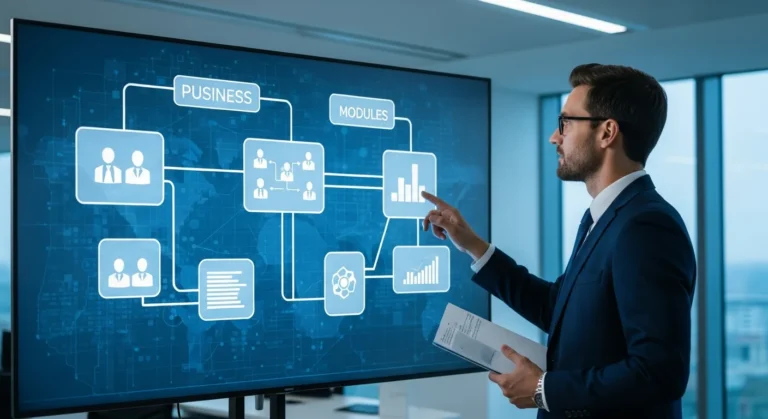
A supply chain without a centralized brain is just a collection of disconnected silos. When a manager tries to track a shipment in one spreadsheet while his procurement team negotiates prices in another, the result is inevitable: delayed shipments and bloated costs. This is where ERP supply chain management changes the game. By folding every logistical movement into a single database, it eliminates the friction between what is ordered and what is actually on the shelf.
The real power lies in the unified data stream. Instead of waiting for a weekly report, a leader can see exactly how a delay at a port in Singapore will affect his production schedule in Ohio by next Tuesday. He no longer has to guess; he has a digital twin of his entire operation running in real-time.
Real-Time Visibility: The End of Guesswork
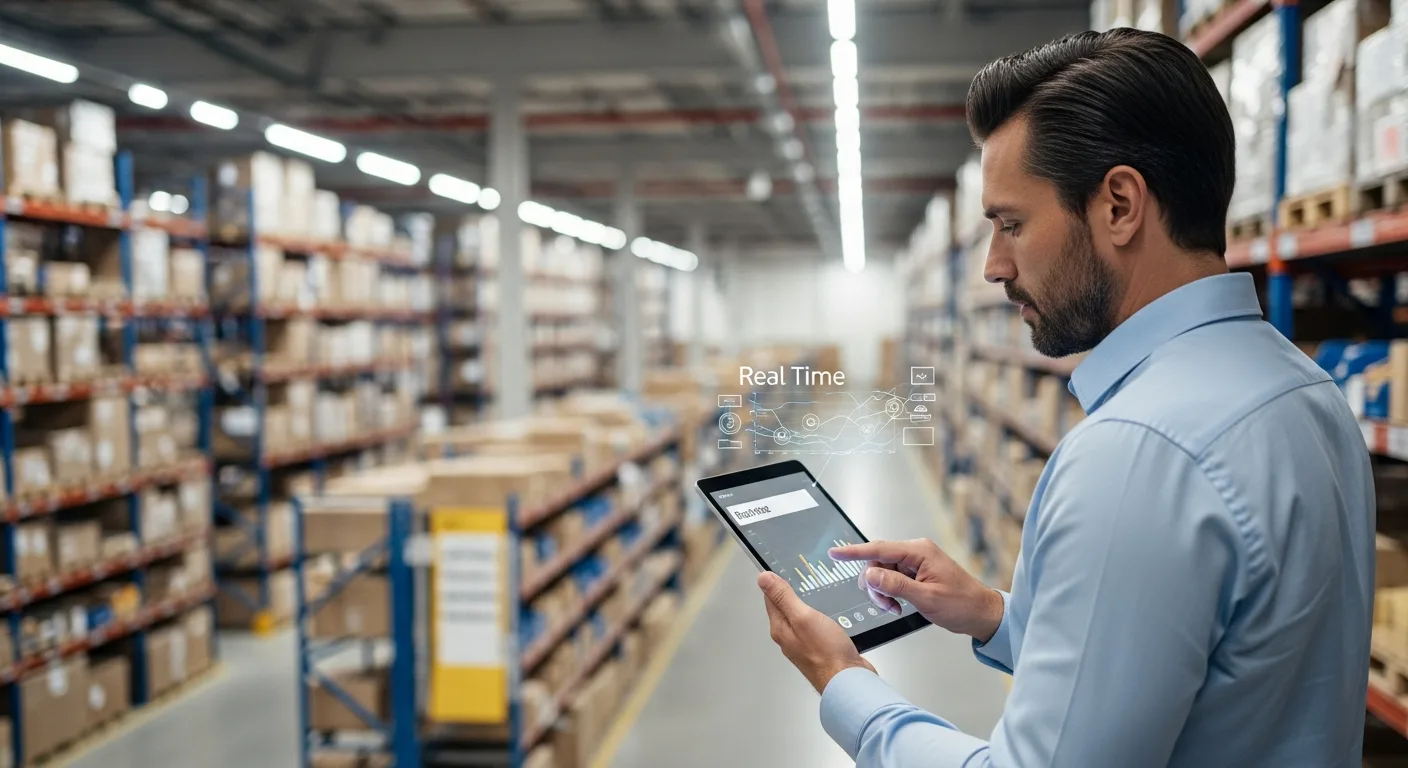
In the past, supply chain visibility was a luxury. Today, it is a survival requirement. An ERP system provides a granular view of every SKU as it moves through the pipeline. This level of transparency allows a manager to identify bottlenecks before they become full-blown crises. If a supplier fails to meet a deadline, the system automatically alerts the relevant stakeholders, allowing them to pivot to a backup vendor without missing a beat.
By leveraging a comprehensive visibility strategy, a business owner ensures that his capital isn’t tied up in stagnant inventory. He can track transit times, monitor carrier performance, and ensure that the “last mile” of delivery is as efficient as the first.
Inventory Optimization and Warehouse Efficiency
Excess inventory is a silent profit killer. It takes up space, requires insurance, and risks becoming obsolete. ERP supply chain management uses automated replenishment triggers to ensure that a manager only orders what he needs, exactly when he needs it. This “just-in-time” approach is only possible when the ERP system communicates directly with the warehouse management module.
For those in the industrial sector, integrating these tools with modern manufacturing ERP solutions allows for a seamless handoff between raw material arrival and the production line. The system calculates the lead times, manages the bin locations, and even optimizes the picking routes for warehouse staff, shaving minutes off every order fulfillment cycle.
Demand Forecasting and Predictive Analytics
Modern ERPs have moved beyond simple record-keeping. They now act as predictive engines. By analyzing historical sales data, seasonal trends, and even external market indicators, the software helps a planner forecast future demand with startling accuracy. He can see that a specific component will be in high demand three months from now and secure a lower price by purchasing early.
- Reduced Stockouts: Never tell a customer “out of stock” again because the system saw the dip coming.
- Lower Carrying Costs: Keep the warehouse lean by aligning procurement with actual sales velocity.
- Better Supplier Negotiations: Use hard data to show a vendor his delivery consistency (or lack thereof) to negotiate better terms.
Overcoming Implementation Hurdles
Transitioning to an ERP-driven supply chain isn’t without its challenges. The biggest hurdle is often data integrity. If a manager migrates messy, inaccurate data into a new system, he will simply get faster, more automated errors. He must prioritize data cleansing before the “go-live” date. Furthermore, user adoption is vital. He needs to ensure his team understands that the software is there to augment their expertise, not replace it. When the team sees how much manual entry is eliminated, the resistance usually vanishes.
Frequently Asked Questions
What is the difference between SCM and ERP?
SCM (Supply Chain Management) focuses specifically on the movement of goods and supplier relationships, while ERP (Enterprise Resource Planning) is the broader system that integrates SCM with accounting, HR, and sales.
Can a small business benefit from ERP supply chain management?
Yes. Modern cloud-based ERPs offer modular pricing, allowing a small business owner to start with basic inventory and procurement tools and scale as his operations grow.
How does ERP improve supplier relationships?
It provides a transparent portal where a manager and his suppliers can share documents, track payments, and monitor performance metrics, leading to fewer disputes and more collaborative partnerships.