What is ERPing and Why is it Transforming Modern Business Operations?
What Does ERPing Actually Mean in 2026?
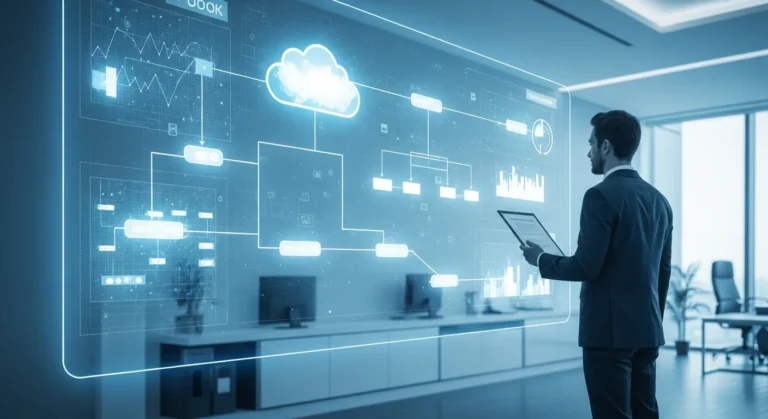
If you have spent any time in the corporate tech sector recently, you have likely heard the term ERPing. While it sounds like industry jargon, it refers to the active process of managing and integrating the core parts of a business through Enterprise Resource Planning software. It is the act of moving away from fragmented spreadsheets and disconnected apps toward a single, unified source of truth.
When a manager says he is ERPing his operations, he is essentially synchronizing his supply chain, human resources, finance, and manufacturing into one cohesive ecosystem. In 2026, this is no longer a luxury for global conglomerates; it is a survival tactic for any business that wants to remain competitive in a high-speed market.
The Core Pillars of Effective ERPing
Successful ERPing is not just about installing software; it is about a fundamental shift in how a leader views his data. To do it right, he must focus on three specific pillars:
- Data Centralization: Eliminating silos so that the finance department sees the same inventory numbers as the warehouse manager.
- Process Automation: Reducing manual entry to minimize human error and free up staff for high-value tasks.
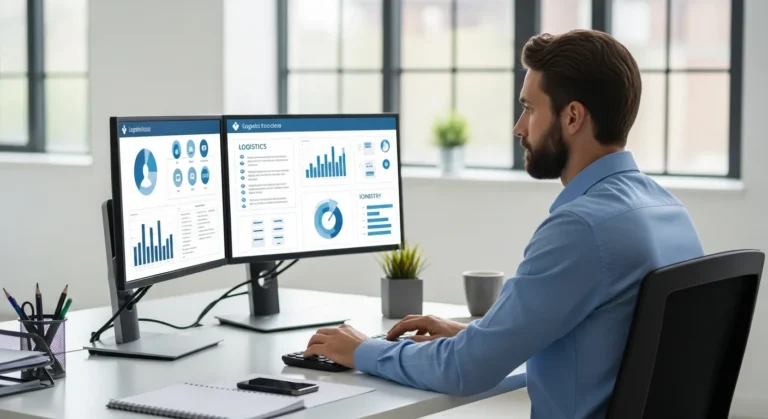
- Real-Time Visibility: Gaining the ability to pull a report at any second and see exactly where the business stands financially.
Without these pillars, the software is just an expensive digital filing cabinet. A professional who oversees these complex systems ensures that these pillars remain sturdy as the company scales.
Why Modern Businesses Are ERPing Their Operations
The primary driver behind the ERPing trend is the need for speed. In the current economic climate, a CEO cannot afford to wait three days for a manual report on quarterly earnings. He needs that data instantly to make informed decisions about hiring, production, and expansion.
By ERPing, a business owner can identify bottlenecks before they become crises. For instance, if a specific raw material is delayed, the system automatically alerts the production floor and adjusts the delivery schedule. This level of agility is what separates market leaders from those struggling to keep up. Even for those just starting out, there are tailored solutions for smaller enterprises that provide this same level of control without the enterprise-level price tag.
Common Pitfalls to Avoid When ERPing
Despite the benefits, many men find the transition to an ERP-centric workflow challenging. The most common mistake is over-customization. When a manager tries to force the software to mimic his old, inefficient manual processes, he loses the inherent benefits of the system’s optimized workflows.
Another significant hurdle is underestimating training. If the team does not understand how to input data correctly, the entire system becomes unreliable. A leader must ensure his team is fully onboarded and understands that the software is there to make their jobs easier, not more complicated.
The Future of ERPing: AI and Predictive Analytics
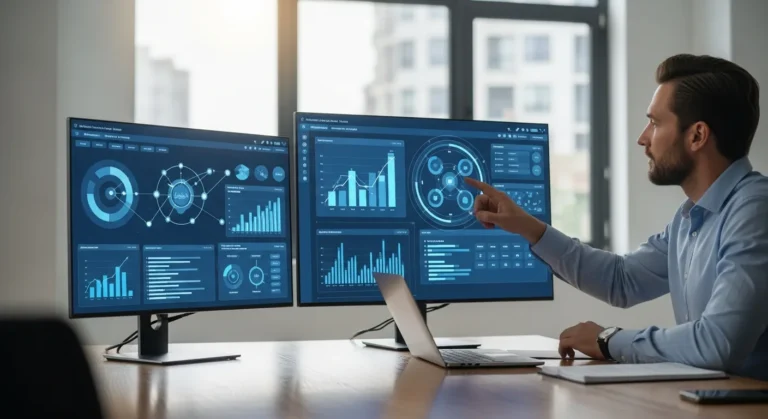
As we move further into 2026, ERPing is becoming more proactive. Modern systems now use machine learning to predict future trends. Instead of just telling a manager what he sold last month, the system tells him what he is likely to sell next month based on historical data and market shifts. This allows him to optimize his inventory levels with surgical precision, ensuring he never overstocks or runs out of key products.
Frequently Asked Questions
Is ERPing only for large manufacturing companies?
No. While it started in manufacturing, ERPing is now common in professional services, retail, healthcare, and even non-profits. Any organization with complex data needs can benefit from integration.
How long does it take to start ERPing effectively?
Implementation timelines vary. A small business might be up and running in a few months, while a global enterprise might take a year or more to fully integrate all departments.
What is the difference between ERP and CRM?
ERP focuses on the internal business processes like finance and supply chain, while CRM focuses on the external relationship with the customer. However, modern ERPing often involves integrating both into one platform.