
How ERP Systems in Manufacturing Drive Shop Floor Efficiency in 2026?
The Central Nervous System of the Modern Factory
A factory floor without a centralized brain is a recipe for chaos. In 2026, the margin for error in production has shrunk to nearly zero. If a plant manager cannot see his inventory levels, machine uptime, and labor costs in a single pane of glass, he is essentially flying blind. ERP systems for manufacturing have evolved from simple database tools into proactive engines that predict bottlenecks before they halt a production line.
The shift toward high-mix, low-volume production requires a level of agility that manual spreadsheets simply cannot provide. When a manufacturer integrates an ERP, he isn’t just buying software; he is installing a framework that forces discipline across his entire operation, from the loading dock to the front office.
Real-Time Visibility and Shop Floor Control
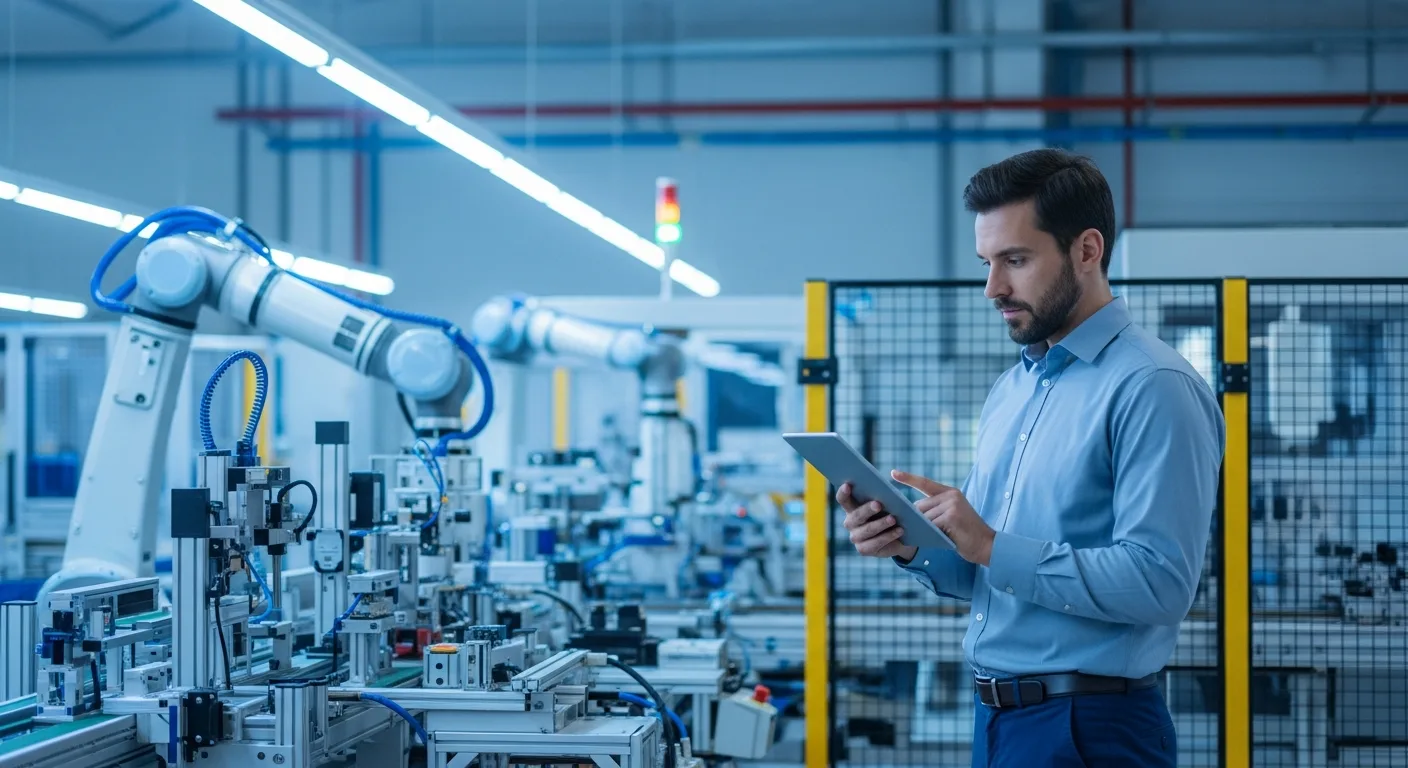
The primary value of a modern ERP lies in its ability to provide real-time data. In the past, a supervisor might wait until the end of a shift to realize a machine was underperforming. Today, he receives an instant alert on his tablet if a spindle speed drops or if a batch fails a quality check. This immediate feedback loop allows him to pivot resources instantly, saving thousands of dollars in wasted material.
- Live Inventory Tracking: Automatically deducts raw materials as they are consumed on the line.
- Work Order Management: Tracks the progress of every job as it moves through different work centers.
- Labor Costing: Captures the exact time a technician spends on a specific task, providing a true picture of profitability.
Bridging the Gap Between Planning and Execution
One of the most common points of confusion for manufacturers is where basic scheduling ends and full-scale resource planning begins. When a production manager evaluates his options, he must understand the nuanced differences between ERP and MRP to ensure he isn’t just buying a glorified spreadsheet. While MRP focuses on the ‘what’ and ‘when’ of materials, the ERP handles the ‘how’ of the entire business.
By synchronizing these functions, a manufacturer ensures that his procurement team isn’t over-ordering steel while his sales team is promising delivery dates that the shop floor can’t possibly meet. The ERP acts as the single source of truth, aligning every department’s goals with the actual capacity of the machines.
Achieving Operational Excellence in 2026
The competitive landscape now demands more than just “good enough” output. Achieving peak operational efficiency in manufacturing requires a system that synchronizes every department. Modern ERPs now leverage AI to suggest better production sequences, helping a scheduler optimize his run times to minimize tool changes.
Furthermore, the integration of IoT (Internet of Things) sensors directly into the ERP allows for predictive maintenance. Instead of waiting for a motor to burn out, the system analyzes vibration patterns and schedules a technician to service the machine during a planned downtime window. This proactive approach keeps the factory humming without the expensive surprises of emergency repairs.
Overcoming the Hurdles of ERP Implementation
Despite the clear benefits, many manufacturers struggle with the rollout. The failure usually isn’t the software; it’s the lack of process mapping. A CEO must ensure his team documents every workflow before the first line of code is configured. If he tries to automate a broken process, he will simply end up with a faster way to make mistakes.
Training is equally vital. A shop floor operator who has spent twenty years using a paper logbook will naturally resist a digital interface. He needs to see how the system makes his job easier—by reducing paperwork and providing clear instructions—rather than viewing it as a tool for micromanagement.
Frequently Asked Questions
What is the difference between a general ERP and a manufacturing ERP?
A manufacturing ERP includes specific modules for bill of materials (BOM), shop floor control, and quality management that a standard retail or accounting ERP lacks. It is designed to handle the complexities of transforming raw materials into finished goods.
Can a small manufacturer benefit from an ERP?
Yes. Small manufacturers often see the fastest ROI because they have the most to gain from reducing manual data entry and improving inventory accuracy. Cloud-based options have made these systems affordable for shops with as few as five employees.
How long does it take to implement a manufacturing ERP?
A typical implementation ranges from four to twelve months. The timeline depends heavily on the cleanliness of the manufacturer’s existing data and how much customization he requires to fit his specific production style.
Does an ERP replace the need for an MRP?
No, most modern manufacturing ERPs include an MRP module as a core component. The ERP expands on the MRP by adding financial, HR, and customer relationship management features.