Why Your Shop Floor Needs a Specialized ERP System for Manufacturing in 2026
The High Stakes of Modern Production
In 2026, the shop floor is a data-driven battlefield. A manufacturer can no longer rely on fragmented spreadsheets or legacy software that fails to communicate across departments. If a production manager finds himself guessing about raw material availability or machine uptime, he has already lost his competitive edge. A dedicated ERP system for manufacturing acts as the central nervous system of the enterprise, ensuring that every bolt, hour of labor, and kilowatt of energy is accounted for in real-time.
The shift toward Industry 5.0 means that human intelligence and machine precision must work in perfect harmony. When a plant manager implements a modern system, he isn’t just buying software; he is installing a framework for total operational visibility. This allows him to move from reactive firefighting to proactive strategy, where he can anticipate supply chain disruptions before they impact his bottom line.
Essential Capabilities of a Manufacturing-First ERP
Generic business software often falls short because it lacks the granular control required for complex production cycles. A specialized system must handle the nuances of both discrete and process manufacturing. Key features that a leader should look for include:
- Advanced Bill of Materials (BOM) Management: Handling multi-level BOMs with precision to ensure that engineering changes are reflected instantly across the production line.
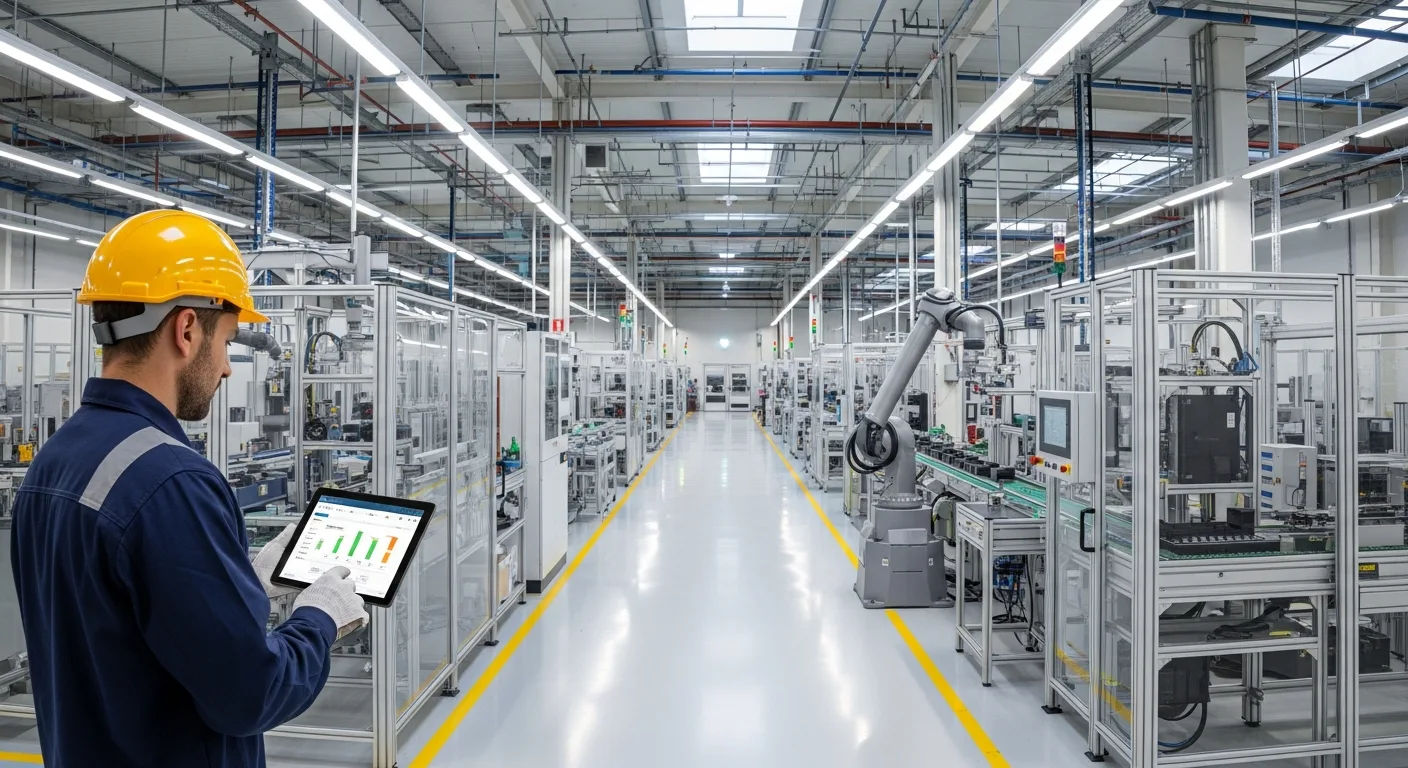
- Real-Time Shop Floor Control: Giving the supervisor the ability to track work-in-progress (WIP) at every workstation.
- Inventory Optimization: Using predictive analytics to maintain lean inventory levels without risking stockouts.
- Quality Assurance Integration: Embedding quality checks directly into the workflow rather than treating them as an afterthought.
When a decision-maker evaluates his options, he often finds that selecting the best ERP for manufacturing requires a deep understanding of his specific shop-floor requirements rather than just a list of generic features.
Bridging the Gap Between the Office and the Shop Floor
One of the biggest hurdles in any factory is the disconnect between the executive suite and the actual production line. A robust ERP system for manufacturing eliminates these silos. When a sales representative enters a new order, the system should automatically trigger a demand forecast, check material availability, and schedule the production run without manual intervention.
This level of integration ensures that the CFO sees accurate financial data while the shop floor lead sees a realistic production schedule. By centralizing this data, a manager can leverage a manufacturing ERP systems efficiency guide to identify bottlenecks before they stall production, ensuring that every resource is utilized to its maximum potential.
Avoiding the “One-Size-Fits-All” Trap
Many vendors claim their software can do everything, but a manufacturer must be wary of “bloatware.” A system designed for a retail environment will lack the robust Material Requirements Planning (MRP) capabilities needed for a heavy machinery plant. The user must ensure the software supports his specific manufacturing mode—whether it is make-to-order (MTO), make-to-stock (MTS), or engineer-to-order (ETO).
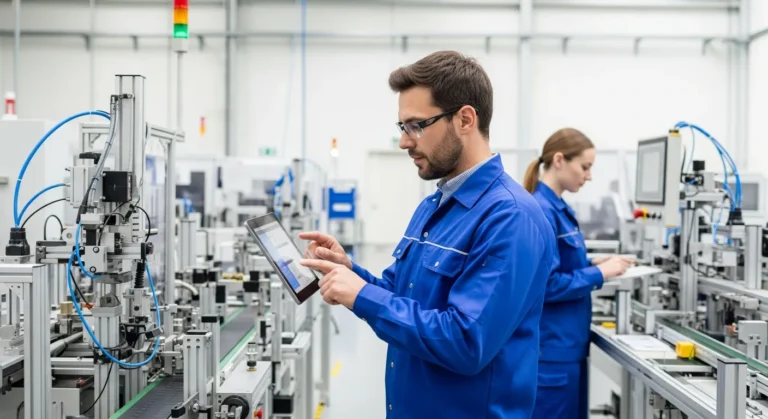
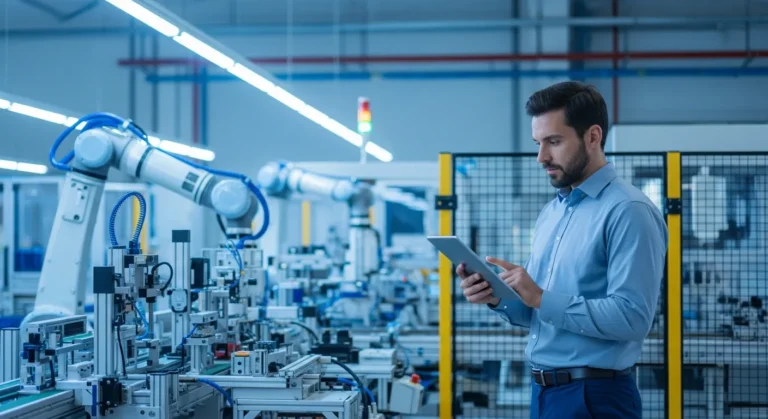
He should also prioritize mobile accessibility. In 2026, a supervisor should be able to walk the floor with a tablet, scanning barcodes and updating job statuses on the fly. If the software ties him to a desk in a back office, it is already obsolete. The goal is to empower the worker where the value is created: on the factory floor.
Frequently Asked Questions
What is the difference between a generic ERP and a manufacturing ERP?
A generic ERP focuses on accounting, HR, and basic sales. A manufacturing ERP includes specialized modules for MRP, shop floor control, BOM management, and capacity planning that are vital for production environments.
How does an ERP system reduce manufacturing costs?
It reduces costs by minimizing waste, optimizing inventory levels to free up capital, and improving machine utilization through better scheduling and predictive maintenance alerts.
Can a small manufacturer benefit from an ERP?
Yes. Modern cloud-based ERPs offer scalable pricing, allowing a small business owner to access enterprise-grade tools without a massive upfront investment in hardware or IT staff.
Does a manufacturing ERP help with regulatory compliance?
Absolutely. It provides full traceability of materials and processes, which is essential for industries like aerospace, medical devices, or food production where safety standards are rigorous.