Why Food ERP Software is the Backbone of Modern Food Processing in 2026?
The High Stakes of Food Production Management
Managing a food processing plant in 2026 is a high-wire act. A manager has to juggle fluctuating raw material costs, strict regulations, and the constant ticking clock of shelf life. Using a generic accounting tool to manage these variables is a recipe for disaster. He needs a system that understands that a pallet of strawberries isn’t the same as a pallet of bricks.
Food ERP software bridges the gap between the warehouse floor and the executive office. It provides a single source of truth for everything from ingredient sourcing to final delivery. When a leader has real-time data at his fingertips, he can make decisions based on facts rather than gut feelings.
Why Specialized Food ERP Software Beats Generic Solutions
Generic ERP systems often treat inventory as static units. In the food world, inventory is alive—or at least, it is degrading. Food ERP software is built with “catch weight” and expiration dates as core data points. When a production lead looks at his dashboard, he sees exactly which batches need to be moved first to minimize waste.
This level of detail is vital for overcoming production bottlenecks that typically plague manufacturers using outdated spreadsheets. By automating the flow of data from the warehouse to the front office, he eliminates the human error that leads to shipping expired goods or mislabeling allergens.
Mastering Traceability and Recall Readiness
Traceability isn’t just a legal requirement; it is a brand-saving capability. If a supplier reports a contamination issue, the business owner must be able to perform a “mock recall” in minutes. He needs to identify every finished product that contains that specific ingredient and know exactly where those products are in the supply chain.
Modern food ERP software provides bi-directional tracking. He can trace forward from the raw material to the customer, or backward from the customer to the farm. This transparency builds trust with retailers and ensures that if an issue arises, he can contain the damage quickly without pulling safe products off the shelves.
Recipe Management and Consistency at Scale
Scaling a signature sauce from a five-gallon pot to a five-thousand-gallon vat is a complex task. A food ERP system stores these “digital recipes” and automatically adjusts ingredient requirements based on the desired output. It also tracks nutritional data and allergen information, ensuring that labels are always accurate and compliant.
When he updates a recipe to swap an expensive ingredient for a more cost-effective alternative, the system automatically updates the cost of goods sold (COGS) and alerts the procurement team. This ensures his margins stay healthy even when market prices spike unexpectedly.
Streamlining Compliance and Quality Control
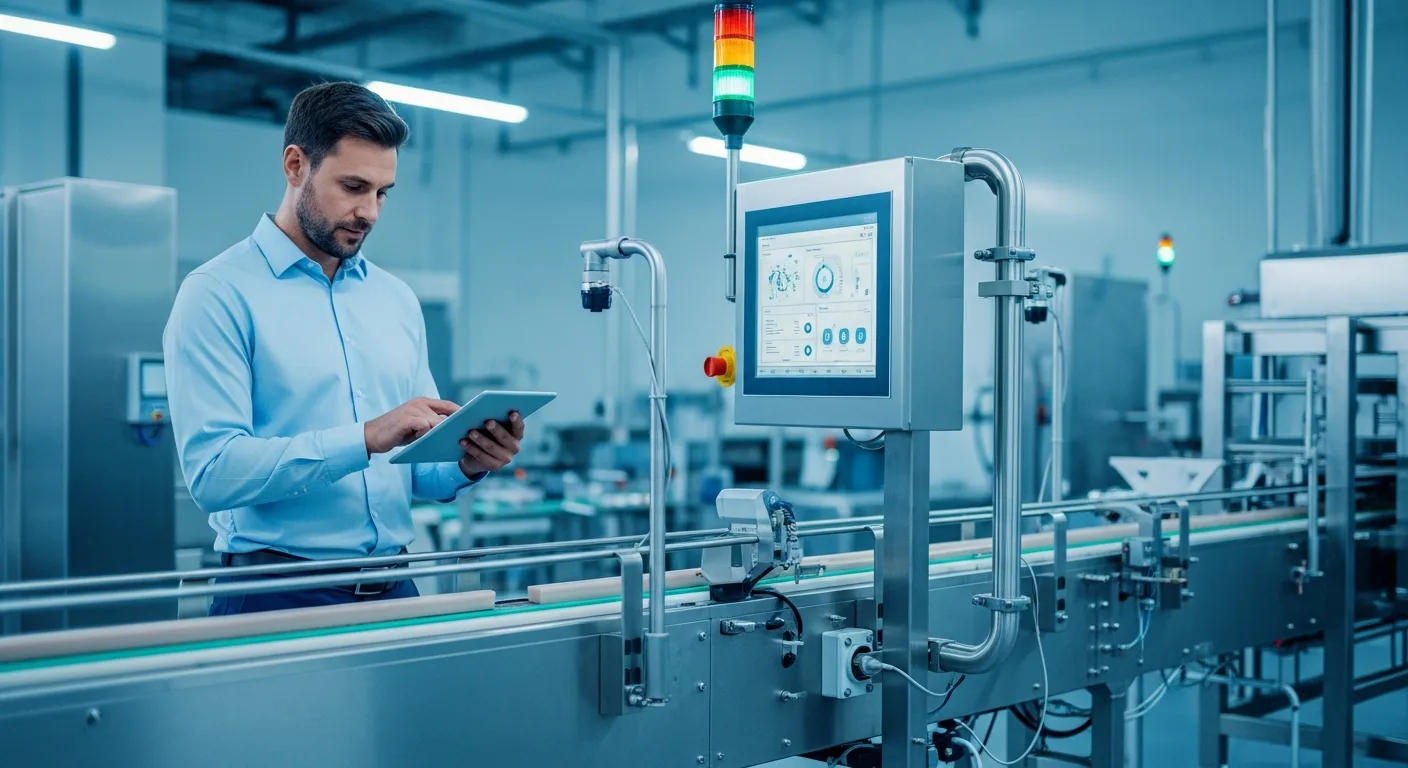
Audits are a reality of the industry. Instead of a manager scrambling to find paper logs and temperature charts, a food ERP centralizes all quality control data. Sensors on the factory floor can feed real-time data directly into the system. If a refrigerator’s temperature climbs above a safe threshold, the system triggers an alert to his phone immediately.
This proactive approach to quality ensures that he is always “audit-ready.” Investing in these tools leads to long-term operational gains by reducing the labor hours spent on manual documentation and compliance reporting.
Inventory Optimization and Waste Reduction
Waste is the silent killer of profitability in food manufacturing. Food ERP software uses sophisticated forecasting models to help a buyer understand exactly how much raw material he needs to order. By analyzing historical sales data and seasonal trends, the software prevents over-ordering of perishables.
- Automated Reordering: Set “par levels” that trigger purchase orders automatically.
- First-Expiry, First-Out (FEFO): Ensure the oldest stock is used first to minimize spoilage.
- Yield Tracking: Monitor how much raw material is lost during the production process.
This precision allows him to run a leaner operation, keeping more cash in the business rather than letting it rot in the warehouse. In an industry where margins are often razor-thin, these efficiencies make the difference between growth and stagnation.
Frequently Asked Questions
What is the main difference between food ERP and regular ERP?
Food ERP includes specific features for the industry, such as catch weight management, expiration date tracking, and recipe-based production, which generic systems lack.
How does food ERP software help with safety compliance?
It automates the documentation required for food safety standards, including hazard analysis, preventive controls, and detailed traceability logs for every batch produced.
Can food ERP software integrate with existing hardware?
Yes, most modern systems integrate with scales, temperature sensors, and barcode scanners to capture data directly from the production floor without manual entry.
Is food ERP software suitable for small businesses?
Absolutely. Many cloud-based options allow a small producer to start with core modules and scale as his production volume and complexity increase over time.