
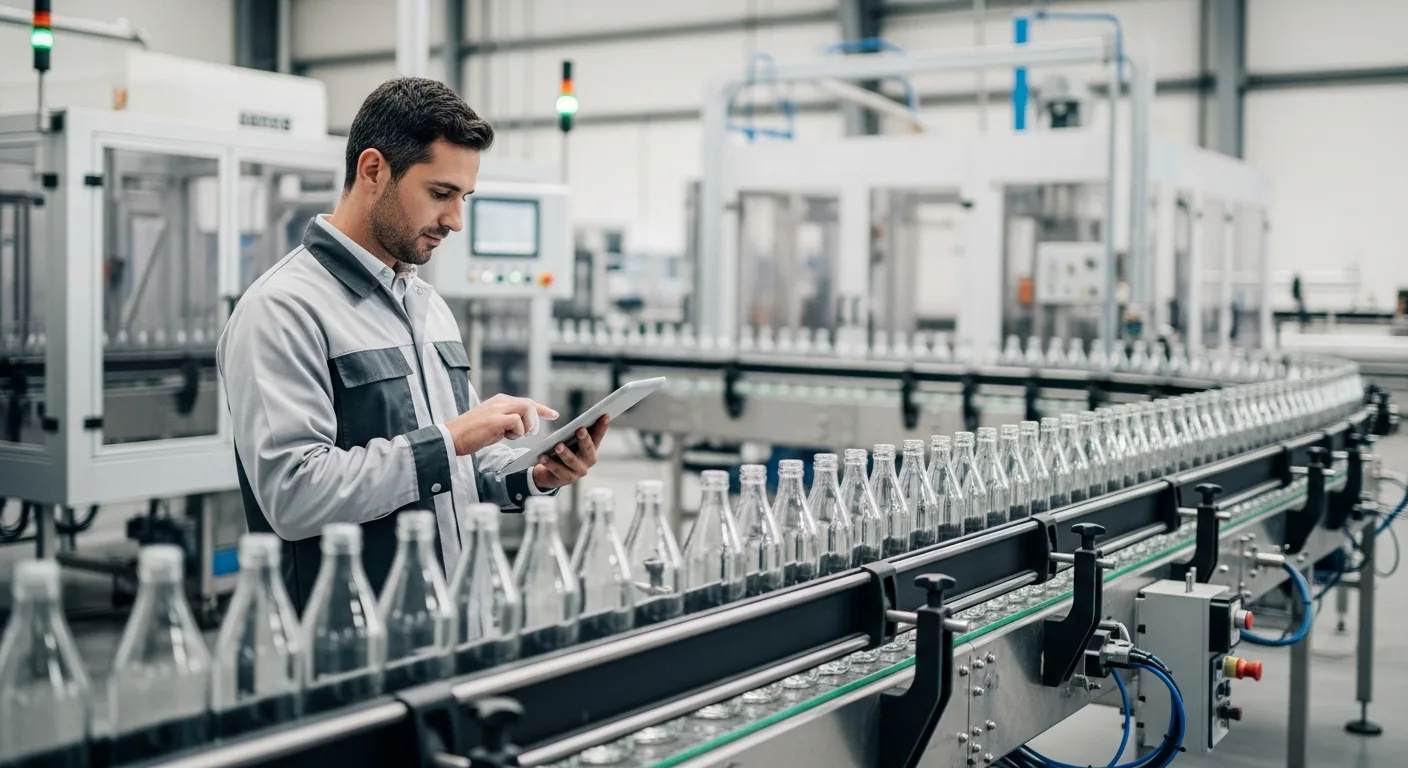
How Can Beverage ERP Software Solve Your Production and Compliance Headaches?
The High Stakes of Beverage Management
Running a beverage business is a logistical marathon. From managing volatile raw material costs to navigating the labyrinth of alcohol regulations, a manager faces hurdles that standard accounting software simply cannot clear. A beverage ERP (Enterprise Resource Planning) system acts as the central nervous system for the entire operation, connecting the brew kettle to the delivery truck and ensuring every drop is accounted for.
Unlike discrete manufacturing, where you assemble parts, beverage production is a science of formulas and fluid dynamics. If a plant manager loses track of a single batch’s temperature or fermentation time, he risks losing thousands of dollars in spoiled product. Specialized software eliminates this guesswork by providing real-time visibility into every stage of the production cycle.
Why Generic ERPs Fail Beverage Producers
Many business owners make the mistake of implementing a one-size-fits-all ERP, only to find it lacks the nuances required for liquid products. A generic system might track boxes in a warehouse, but it rarely understands the complexities of excise tax reporting or container deposits. Navigating food manufacturing software challenges requires a tool that understands recipe variability and seasonal demand shifts.
- Catch Weight and Volume: Liquid expands and contracts; your software must handle unit-of-measure conversions flawlessly.
- Regulatory Compliance: Whether it is TTB reporting for alcohol or FDA safety standards, the system must automate documentation.
- Shelf-Life Management: Perishable goods require strict adherence to FEFO (First-Expiry-First-Out) logic to prevent waste.
Streamlining Production with Recipe and Batch Management
Consistency is the hallmark of a successful beverage brand. A master brewer or production head needs to ensure that the flavor profile of his flagship ale remains identical across every batch. A beverage ERP stores complex recipes and scales them automatically based on available raw materials or target output volumes.
Since liquid production relies on formulas rather than discrete parts, a process manufacturing ERP guide can help clarify why specialized logic is necessary for managing co-products and by-products. For instance, if a distiller produces high-quality spirits, he also needs to account for the heads and tails generated during the process. A dedicated ERP tracks these outputs accurately, ensuring cost transparency and inventory precision.
Mastering the Supply Chain and Distribution
The beverage industry is unique due to its heavy reliance on route accounting and direct store delivery (DSD). A distributor must manage complex pricing tiers, promotional discounts, and empty bottle returns simultaneously. A robust ERP integrates these front-end sales activities with back-end inventory levels.
When a sales representative visits a retail account, he can use his mobile device to check real-time stock levels, place orders, and even process payments on the spot. This connectivity ensures that the warehouse team knows exactly what needs to be picked and loaded for the next day’s deliveries, reducing errors and improving customer satisfaction.
Automating Compliance and Quality Control
For any beverage executive, the threat of a product recall is a constant concern. Manual record-keeping is no longer sufficient in an era of strict food safety regulations. A beverage ERP provides bi-directional traceability. If a supplier notifies a producer about a contaminated batch of sweetener, the producer can instantly identify every finished bottle that used that specific lot and pull it from the shelves before it reaches the consumer.
Quality control (QC) checkpoints can be integrated directly into the production workflow. A technician can record pH levels, carbonation volumes, or alcohol by volume (ABV) at specific intervals. If the data falls outside of the predefined parameters, the system can automatically halt the line, preventing a costly mistake from becoming a public relations disaster.
Choosing the Right Beverage ERP for Your Growth
Selecting a system is a long-term commitment. A business owner should look for a solution that scales with him. Whether he is a craft startup or a multi-state distributor, the software must handle increased transaction volumes without slowing down. Cloud-based ERPs are particularly effective here, offering lower upfront costs and the ability to access critical data from any location.
Focus on vendors who demonstrate a deep understanding of the beverage vertical. Ask about their experience with Tied House laws, state-specific tax requirements, and integration with third-party logistics (3PL) providers. The right partner will not just provide software; he will provide a framework for operational excellence.
Frequently Asked Questions
What is the difference between a standard ERP and a beverage ERP?
A beverage ERP includes specific features like recipe management, excise tax calculation, container deposit tracking, and FEFO inventory logic that standard ERPs typically lack.
Can a beverage ERP help with TTB reporting?
Yes, specialized systems can automate the generation of TTB (Alcohol and Tobacco Tax and Trade Bureau) reports, significantly reducing the administrative burden on breweries and distilleries.
Does beverage ERP support mobile sales?
Most modern beverage ERPs offer mobile modules for sales teams to manage route accounting, take orders, and check inventory levels while in the field.
How does the system handle product recalls?
The software uses lot and batch tracking to provide full traceability from raw ingredients to the final customer, allowing for targeted and rapid recalls if quality issues arise.