
Is the Acumatica ERP System the Right Choice for Your Business Growth?
The Shift Toward Modern Cloud ERP
Legacy ERP systems often feel like a ball and chain for a growing business. They are rigid, expensive to maintain, and frequently require a specialized IT team just to keep the lights on. The Acumatica ERP system represents a fundamental shift in this paradigm. Built from the ground up for the cloud, it offers a level of flexibility that traditional on-premise solutions simply cannot match. When a business owner decides to move his operations to the cloud, he isn’t just looking for a new database; he is looking for a platform that scales as fast as his ambitions.
What Makes Acumatica Different?
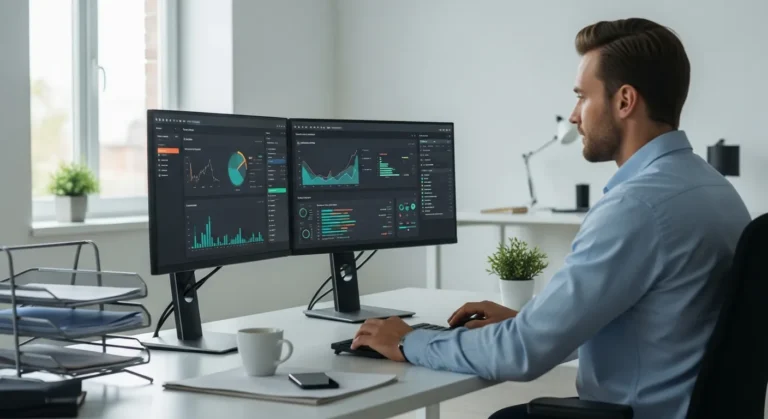
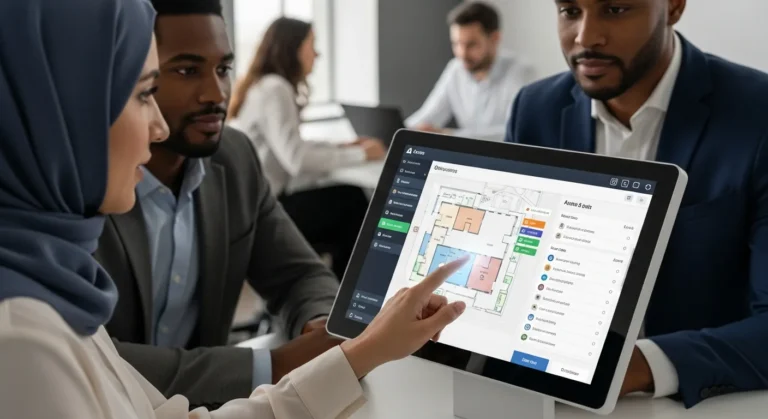
Acumatica stands out because it was never a legacy product ported to the web. It is a cloud-native platform. This means the architecture is designed to handle web-based workflows, mobile access, and real-time data synchronization without the lag or security vulnerabilities found in older systems. For the executive who needs to check inventory levels or approve a purchase order from his tablet while traveling, this accessibility is a game-changer.
When he looks at an in-depth Acumatica ERP review, he quickly realizes that the system’s strength lies in its adaptability. It doesn’t force a business into a pre-defined box. Instead, it provides a robust framework that can be customized to fit specific operational workflows.
The Consumption-Based Pricing Advantage
One of the most disruptive aspects of Acumatica is its pricing model. Most ERP vendors charge per user, which effectively penalizes a company for growing. If a manager wants to give his entire warehouse staff access to the system to improve data accuracy, he is hit with a massive bill under a per-user model.
Acumatica uses consumption-based pricing. He pays for the resources he uses—such as data storage and transaction volume—rather than the number of people logged in. This encourages company-wide adoption. When every employee, from the shop floor to the back office, has access to the same single source of truth, data silos vanish and efficiency skyrockets. This makes it a formidable ERP system for small business owners who are planning for rapid expansion without wanting to be throttled by licensing costs.
Industry-Specific Editions
Acumatica doesn’t try to be a one-size-fits-all solution. Instead, it offers specialized editions tailored to the unique requirements of different sectors. This reduces the need for expensive third-party customizations.
- Manufacturing Edition: Provides full visibility into production cycles, bill of materials (BOM), and shop floor control.
- Construction Edition: Focuses on project accounting, job costing, and compliance management for the general contractor.
- Distribution Edition: Optimizes inventory management, purchasing, and sales order fulfillment.
- Retail-Commerce Edition: Connects storefronts with back-office financials for a seamless omnichannel experience.
By choosing an edition that matches his industry, a leader ensures that his team is working with tools designed for their specific daily challenges. He can track a project’s profitability in real-time or manage complex supply chains with automated replenishment logic.
Open Architecture and Integration
In 2026, no software exists in a vacuum. A modern ERP must play well with others. Acumatica is built on an open API architecture, making it incredibly easy to connect with CRM tools, specialized tax software, or shipping platforms. If a developer needs to push data from a custom-built app into the general ledger, he can do so using standard web technologies. This flexibility ensures that the ERP remains the central hub of the business ecosystem, rather than a disconnected island of data.
Security and Data Ownership
Security is often the primary concern for any professional moving sensitive financial data to the cloud. Acumatica provides enterprise-grade security features, including multi-factor authentication and role-based access controls. Furthermore, Acumatica is unique in its stance on data ownership. He is never locked into the platform. If he decides to move his data elsewhere, he can take his entire database with him. This level of transparency builds trust and ensures the business owner remains in total control of his most valuable asset: his information.
Frequently Asked Questions
Is Acumatica better than NetSuite?
The choice depends on your pricing preference and customization needs. Acumatica offers consumption-based pricing and more flexible deployment options (public or private cloud), whereas NetSuite is strictly a multi-tenant SaaS model with per-user pricing.
Can Acumatica be deployed on-premise?
Yes. While it is a cloud-native system, Acumatica offers the flexibility to be deployed on a company’s own servers or in a private cloud if the owner requires specific data sovereignty or compliance measures.
How long does an Acumatica implementation take?
A typical implementation ranges from 3 to 6 months, depending on the complexity of the business processes and the amount of data being migrated. Using industry-specific editions can often speed up this timeline.
Does Acumatica have a mobile app?
Yes, Acumatica has a fully functional mobile app for iOS and Android. It allows a user to capture receipts, approve documents, and view real-time dashboards directly from his smartphone.