Why Custom ERP Software Development is the Only Way to Scale in 2026?
The Trap of One-Size-Fits-All Enterprise Software
Most business owners realize too late that off-the-shelf ERP systems are designed for the average company, not his specific business. He spends months trying to force his unique workflows into a rigid framework, only to find that he has to change his successful processes just to satisfy the software’s limitations. This is where custom ERP software development changes the game.
By building a solution from the ground up, a leader ensures that the technology serves the business, rather than the business serving the technology. He gains total control over his data, his user interface, and his future scalability without being held hostage by monthly per-user licensing fees that skyrocket as his team grows.
Strategic Advantages of a Tailored ERP System
When a CTO decides to invest in a custom build, he isn’t just buying software; he is building a proprietary asset. Unlike SaaS platforms where you essentially rent your infrastructure, a custom ERP is owned entirely by the company. This ownership allows for deep modifications that off-the-shelf products simply cannot match.
- Seamless Workflow Alignment: Every button, field, and report is designed around how your staff actually works.
- Elimination of Bloat: Standard ERPs come with hundreds of features you will never use. Custom builds keep the interface clean and focused.
- Enhanced Security: Since the codebase isn’t public or shared by thousands of other companies, it is a less attractive target for generic exploits.
For those looking for a deeper dive into the technical roadmap, following a comprehensive development guide can help a manager avoid common pitfalls during the initial planning phases.
Core Modules That Drive Real ROI
A successful custom ERP isn’t just a database; it is the central nervous system of the enterprise. To get the most out of the investment, a developer must focus on the modules that provide the highest impact on daily operations.
Inventory and Supply Chain: Real-time tracking that predicts shortages before they happen. He can integrate AI-driven forecasting to ensure he never over-orders or runs out of stock during peak seasons.
Financial Management: Automated invoicing, payroll, and tax compliance. By removing manual data entry, he reduces the risk of human error that often leads to costly audits.
Human Resources: Managing the lifecycle of an employee from recruitment to retirement. A custom module can track specific KPIs that matter to his industry, rather than generic performance metrics.
Integration: The Secret to a Unified Ecosystem
No software exists in a vacuum. A major hurdle for many businesses is getting their new ERP to talk to their existing CRM, legacy accounting tools, or third-party logistics providers. This is where sophisticated integration strategies become vital. A skilled architect will use APIs to ensure that data flows bi-directionally, eliminating silos and providing a “single source of truth” for the entire organization.
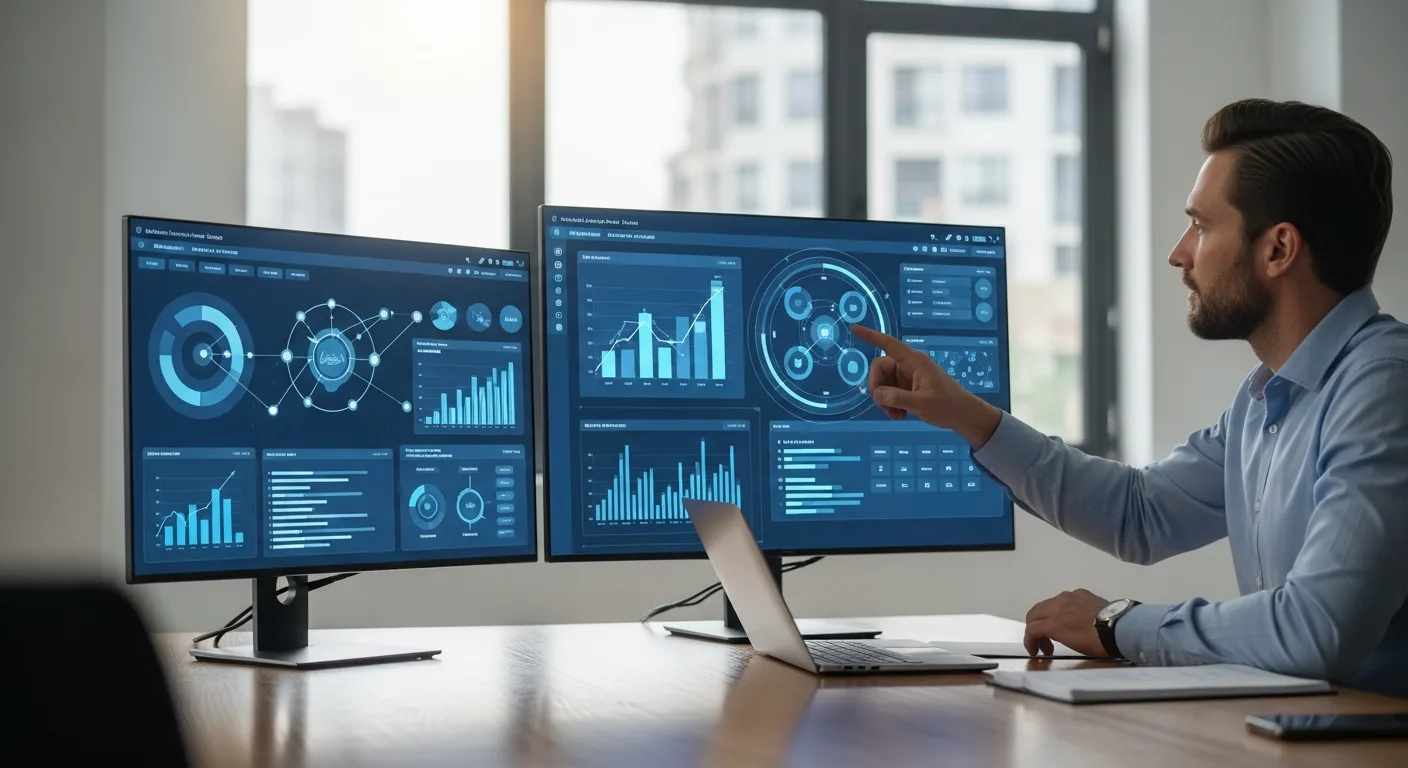
When a manager can see his sales data, warehouse levels, and shipping status all on one dashboard, he makes faster, more informed decisions. He no longer has to wait for weekly reports; he has the pulse of his business in real-time.
The Long-Term Financial Reality
The upfront cost of custom ERP software development is undeniably higher than a monthly subscription to a generic platform. However, a savvy CFO looks at the Total Cost of Ownership (TCO) over a five-year period. When he factors in the lack of per-user fees, the increased efficiency of his staff, and the ability to pivot the software as market conditions change, the custom route often proves to be the more economical choice.
Furthermore, he avoids the “vendor lock-in” trap. If a SaaS provider decides to double their prices or discontinue a feature he relies on, he is stuck. With a custom system, he holds the keys to his own digital kingdom.
Frequently Asked Questions
How long does it take to develop a custom ERP?
Typically, a Minimum Viable Product (MVP) can be launched within 4 to 6 months. However, a full-scale enterprise system with complex integrations may take 12 months or more to fully mature, depending on the scope defined by the project manager.
Is custom ERP software more secure than cloud-based SaaS?
It can be. While major SaaS providers have massive security budgets, they are also massive targets. A custom ERP allows a security officer to implement specific protocols, private cloud hosting, and bespoke encryption that makes targeted attacks much more difficult.
Can I migrate my data from an old system to a new custom ERP?
Yes. Data migration is a standard part of the development process. A developer will write scripts to clean, transform, and map your historical data into the new architecture, ensuring no critical information is lost during the transition.