Why Renting Power Tools Often Beats Buying for Your Home Projects
Why Renting Power Tools is the Smarter Choice for DIYers
When a man stands before a significant home renovation task, he often faces a dilemma: should he invest in a brand-new piece of machinery or simply rent power tools for the duration of the job? In 2026, the economics of DIY have shifted. With the rising cost of high-end brushless motors and lithium-ion battery technology, purchasing every specialized tool is rarely the most efficient path for his wallet.
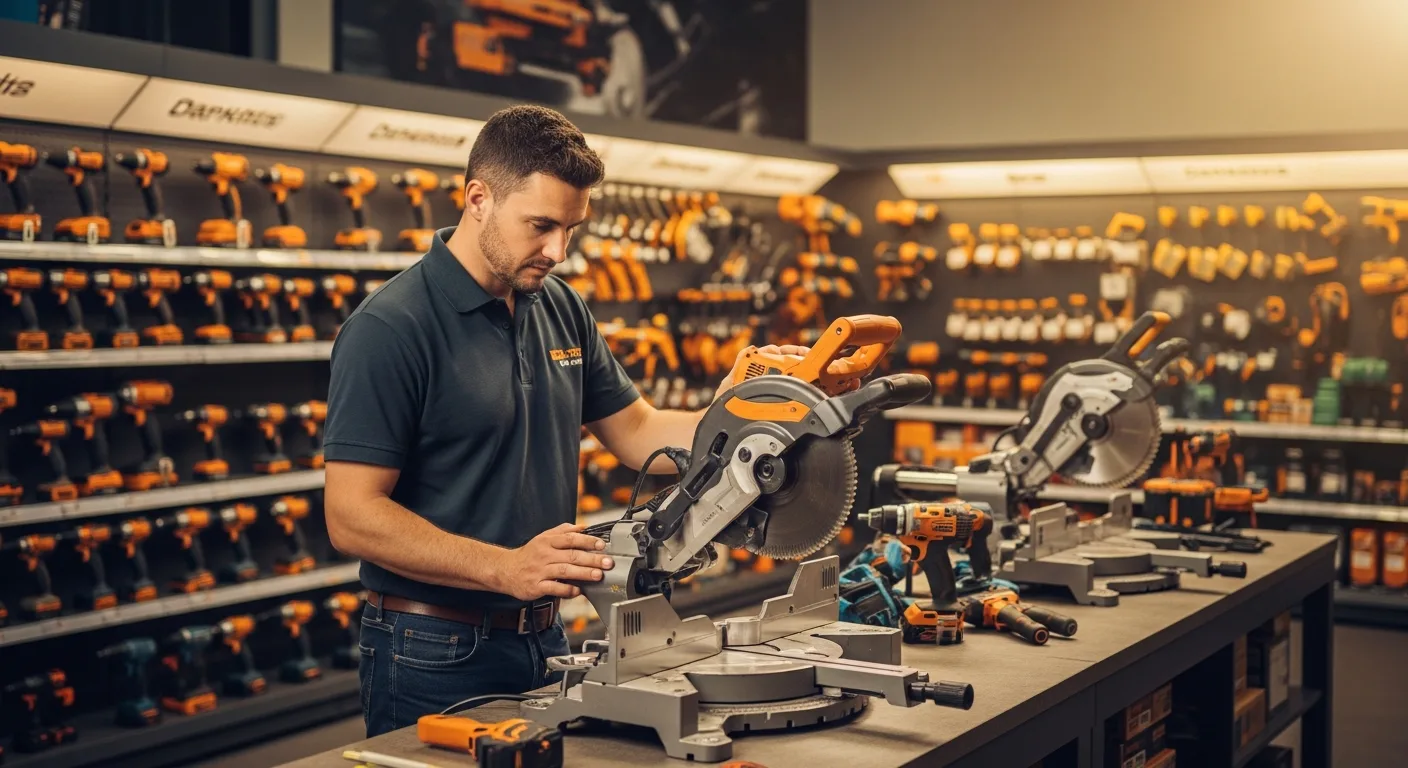
Renting allows a craftsman to access professional-grade equipment that might otherwise be out of his budget. Instead of settling for a consumer-grade drill that might smoke under heavy load, he can procure a heavy-duty rotary hammer or a commercial-grade floor sander. This ensures the job is done correctly the first time, with the precision that only top-tier engineering provides.
Top Power Tools You Should Almost Always Rent
There are certain items that take up massive amounts of space and are used so infrequently that buying them is a logistical burden. If he is planning a one-time landscaping overhaul or a basement remodel, he should consider the following:
- Concrete Saws and Jackhammers: These are heavy, expensive, and require specific maintenance that the average homeowner doesn’t want to handle.
- Floor Sanders: Unless he plans on refinishing floors every month, this bulky machine is a prime candidate for rental.
- Post Hole Diggers: For a weekend fence project, renting an auger saves him hours of back-breaking manual labor.
- Large Pressure Washers: While small units are cheap to buy, a high-PSI commercial unit cleans a driveway in a fraction of the time.
By opting to rent, he also avoids the clutter in his garage. He doesn’t have to worry about where he will store a 4-foot tile saw once the bathroom is finished. He simply returns it to the shop, leaving his workspace clean and organized.
The Economic Advantage: Maintenance and Depreciation
Every tool a man owns is an asset that depreciates. Beyond the initial purchase price, he must consider the cost of blades, battery replacements, and general tuning. When he chooses to rent power tools, the rental house takes on the burden of maintenance. He receives a tool that has been serviced, sharpened, and tested for safety.
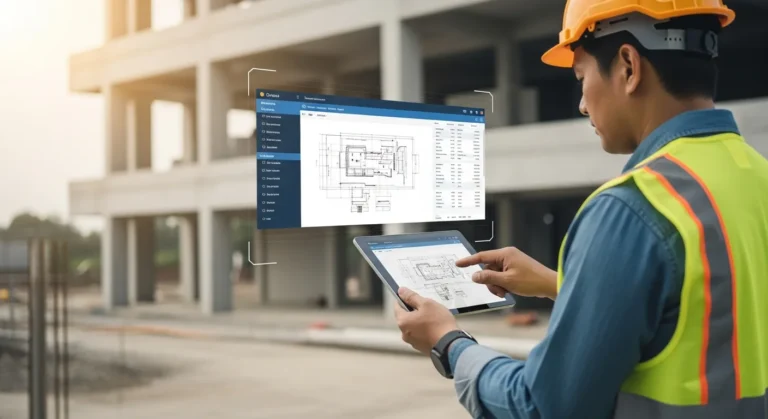
For professionals who manage a fleet of equipment, the logistics can become complex. In such cases, understanding equipment management software benefits can help a contractor track his rented versus owned assets to maximize his profit margins. For the individual hobbyist, however, the simplicity of returning a tool and walking away is the ultimate convenience.
How to Choose the Right Rental Provider
Not all rental shops are created equal. Before he signs a rental agreement, he should inspect the equipment. He needs to ensure the power cords are not frayed and that the safety guards are fully functional. A reputable provider will walk him through the operation of the machine, ensuring he feels confident before he takes it to his worksite.
He should also inquire about delivery options. For heavy machinery like skid steers or large wood chippers, having the shop drop the unit off at his driveway saves him the trouble of finding a trailer and a vehicle with sufficient towing capacity. While he might be familiar with a kitchen tools and equipment guide for his indoor projects, outdoor power equipment requires a different level of logistical planning.
Safety First: Operating Rented Machinery
Because he may be using a tool he has never handled before, he must prioritize safety. He should always read the provided manual and wear the appropriate personal protective equipment (PPE). Whether it is ear protection for a loud generator or steel-toed boots for a log splitter, he must protect his physical well-being to ensure he can enjoy the fruits of his labor once the project is complete.
Frequently Asked Questions
Is it cheaper to rent or buy power tools?
It depends on the frequency of use. If he uses a tool more than five times a year, buying is usually better. For specialized tools used once or twice, renting is significantly more cost-effective.
Do I need to clean the tools before returning them?
Most rental shops expect the tool to be returned in a reasonably clean state. If he returns a cement mixer caked in dried concrete, he will likely face a cleaning fee.
What happens if the rented tool breaks?
If the tool fails due to normal wear and tear, the rental shop typically replaces it at no cost. However, if he damages the tool through misuse or negligence, he will be responsible for the repair costs.
Can I rent power tools for a full week?
Yes, most providers offer daily, weekly, and monthly rates. Usually, the weekly rate offers a significant discount compared to paying the daily rate seven times.