
What Makes Inventory Software Simple for Modern Small Businesses?
The Shift Toward Simplicity in Stock Management
For many business owners, the word “inventory” conjures images of endless spreadsheets and manual counts. However, as we move through 2026, the demand for simple inventory software has skyrocketed. A manager no longer wants to spend his entire afternoon troubleshooting a complex ERP system; instead, he needs a tool that works intuitively from the moment he logs in.
The goal of simple software is not to provide fewer features, but to provide the right features with a user interface that makes sense. When a business owner can see his stock levels in real-time on his mobile device, he gains the freedom to focus on growth rather than logistics.
Core Features of User-Friendly Inventory Tools
When evaluating a new platform, a professional should look for specific hallmarks of simplicity. These features ensure that even if he is not a tech expert, he can master the system within hours.
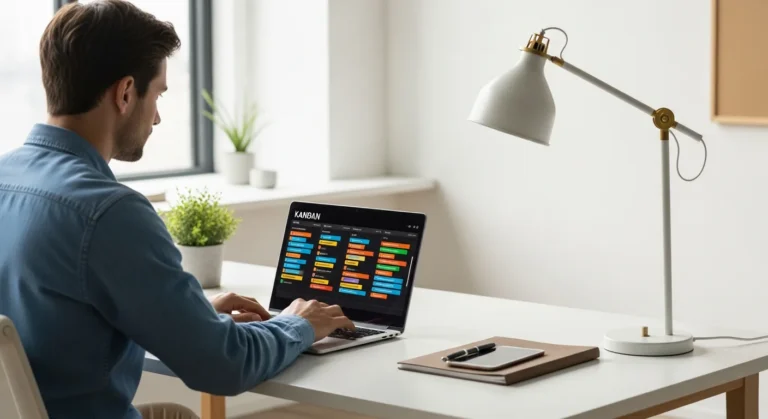
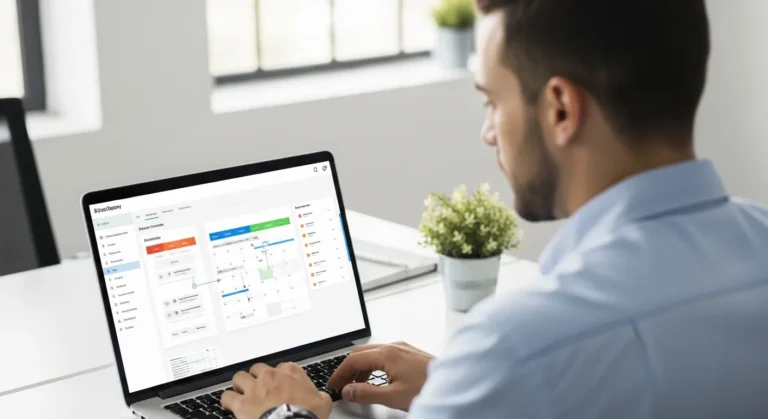
- Intuitive Dashboard: A clean overview that shows low-stock alerts and recent activity at a glance.
- Mobile Accessibility: The ability for a worker to scan barcodes using his smartphone while walking through the warehouse.
- Seamless Integrations: Connecting directly with accounting or e-commerce platforms to prevent double-entry.
- Automated Reordering: Setting thresholds so the system notifies him exactly when it is time to buy more.
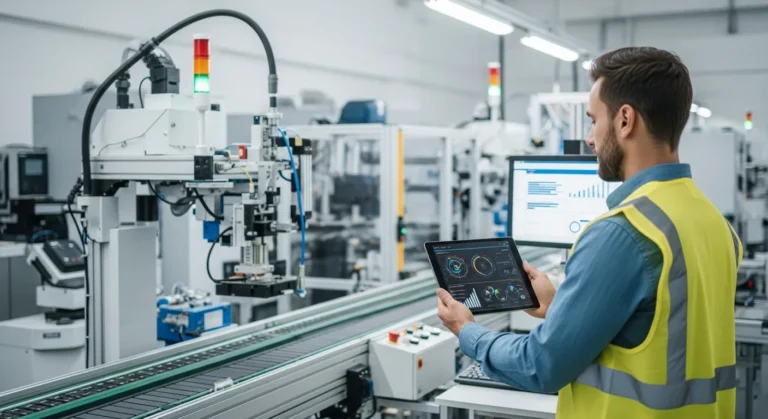
By focusing on manufacturing inventory software optimization, a business leader can ensure his production line never grinds to a halt due to a missing component.
Why Small Businesses Are Abandoning Spreadsheets
While a spreadsheet is free, it often costs a manager more in the long run. Manual data entry is prone to human error, leading to overstocking or, worse, stockouts. When he switches to a dedicated inventory tool, he eliminates these risks through automation.
Simple software provides a single source of truth. Whether he is at his desk or traveling for a trade show, he knows exactly what is in his warehouse. This level of transparency allows him to achieve significant material management software efficiency, ensuring that capital is not tied up in excess stock that isn’t moving.
How to Choose the Right Solution for Your Needs
Selecting the right tool requires an understanding of your specific workflow. A retail shop owner has different needs than a wholesaler. He should start by mapping out his current process and identifying the biggest bottlenecks. Is he losing time on manual counts? Is he struggling to track items across multiple locations?
Once he identifies these pain points, he can look for a solution that addresses them without adding unnecessary layers of complexity. The best software is the one that his team actually enjoys using every day.
Frequently Asked Questions
What is simple inventory software?
It is a streamlined application designed to track stock levels, orders, and deliveries without the steep learning curve or high cost of enterprise-level resource planning systems.
Can a small business use this for barcode scanning?
Yes, most modern simple inventory tools allow a user to use his smartphone camera as a barcode scanner, making it easy to update stock levels on the go.
Is cloud-based inventory software secure?
Absolutely. Modern SaaS providers use high-level encryption to ensure that a manager’s data is protected and backed up automatically, preventing data loss.
How long does it take to set up?
Most simple platforms can be configured in a few hours. A user can typically import his existing data via CSV and begin tracking his items immediately.