
How Does Supply Chain Visibility Software Modernize Global Logistics?
The Shift Toward Real-Time Supply Chain Intelligence
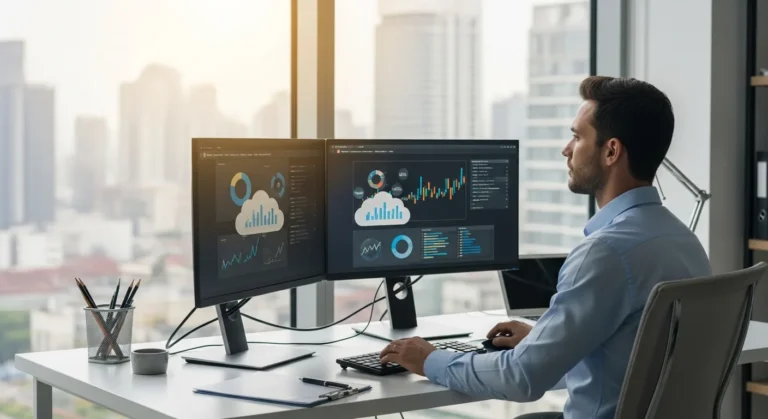
In the current landscape of 2026, the global marketplace demands more than just basic tracking. For the modern executive, supply chain visibility software has transitioned from a luxury to a fundamental necessity. It serves as the central nervous system of a company’s logistics operations, providing a comprehensive view of every moving part, from raw material procurement to the final mile of delivery.
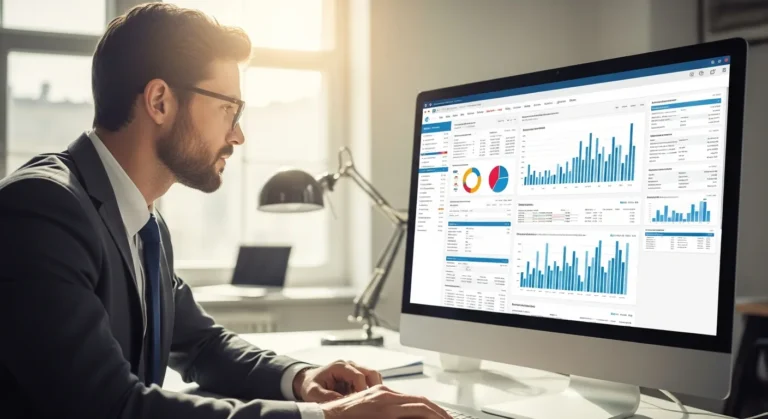
When a logistics director looks at his dashboard, he needs to see more than just dots on a map. He requires actionable data that predicts delays before they occur. This software integrates data from diverse sources—carriers, suppliers, and internal systems—to create a single source of truth. By leveraging this transparency, a manager can ensure he is making informed decisions that protect the bottom line and maintain customer trust.
Core Capabilities of Modern Visibility Platforms
The latest iterations of visibility tools are built on high-speed data processing and deep integration. These platforms do not operate in a vacuum; they thrive on connectivity. Key features often include:
- Predictive ETAs: Using machine learning to provide accurate arrival times based on weather, traffic, and port congestion.
- IoT Integration: Utilizing sensors to monitor the temperature and condition of sensitive cargo in real-time.
- Automated Exception Management: Alerting the operator the moment a shipment deviates from its planned route.
- Multi-Tier Mapping: Going beyond direct suppliers to visualize the entire sub-tier network.
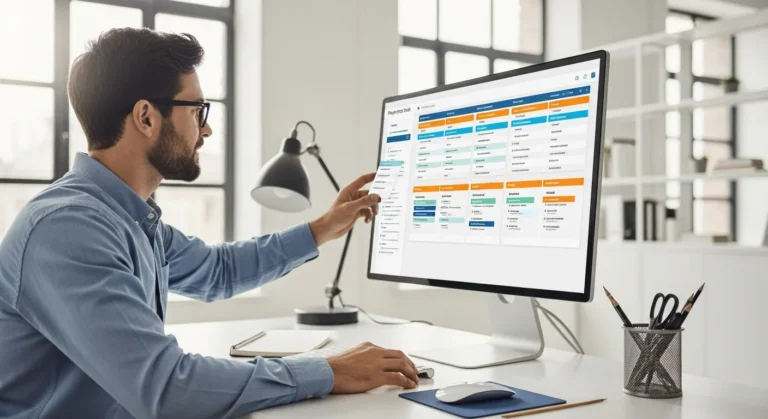
To truly maximize these features, a business leader often integrates these tools with his strategic warehouse management solutions to ensure that incoming shipments align perfectly with available floor space and labor schedules.
Why Transparency is the Key to Resilience
Disruptions are an inevitable part of global trade. However, the impact of these disruptions is determined by how quickly a professional can react. Supply chain visibility software provides the lead time necessary to pivot. If a shipment is delayed at a major port, the procurement officer can immediately identify alternative sources or adjust production schedules.
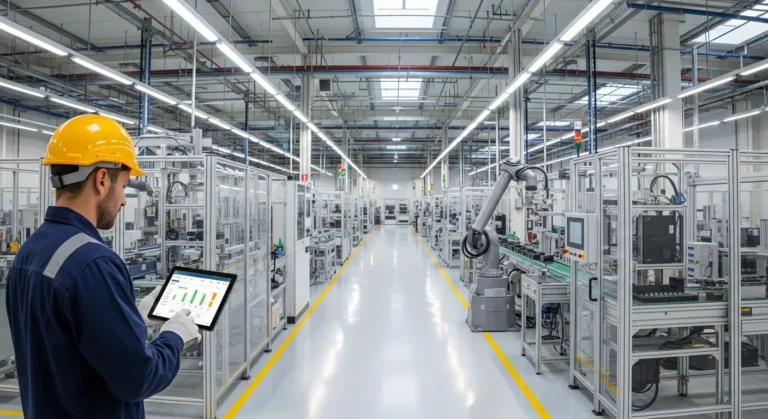
This level of agility is also vital for improving the efficiency of material handling throughout the manufacturing cycle. When he has clear sight of where his components are at any given second, he can reduce safety stock levels, thereby freeing up capital that would otherwise be tied up in excess inventory. This lean approach, powered by data, is what separates market leaders from their competitors in 2026.
The Role of AI and Machine Learning in 2026
Artificial Intelligence has moved beyond the hype phase and into practical, daily application within supply chain software. In 2026, AI algorithms analyze historical data to identify patterns that a human analyst might miss. For example, the software might notice that a particular carrier consistently faces delays on a specific route during certain months.
Equipped with this knowledge, the logistics planner can proactively reroute his freight or negotiate better terms based on performance data. He is no longer reacting to the past; he is anticipating the future. This shift from descriptive to prescriptive analytics is the hallmark of a mature digital supply chain.
Selecting the Right Software for Your Enterprise
Choosing a platform requires a deep understanding of your specific operational bottlenecks. A manager should look for a solution that offers high scalability and easy API integration with existing ERP systems. Security is also paramount; as supply chains become more digital, the software must protect sensitive data from external threats.
He should also prioritize user experience. A tool is only effective if his team can navigate it easily and extract the insights they need without extensive manual processing. The goal is to reduce the cognitive load on the operator, allowing him to focus on high-level strategy rather than data entry.
Frequently Asked Questions
What is the difference between tracking and visibility?
Tracking typically refers to knowing the location of a specific shipment at a specific time. Visibility is broader, encompassing the integration of data across the entire supply chain to provide context, status, and predictive insights into the movement of goods and information.
How does this software improve ROI?
By reducing manual labor, minimizing detention and demurrage fees, and optimizing inventory levels, the software directly lowers operational costs. Furthermore, it improves customer retention by providing accurate delivery windows.
Can small businesses benefit from visibility software?
Yes. While large enterprises were the early adopters, many SaaS providers now offer tiered pricing models that allow smaller businesses to access high-level visibility tools, helping them compete on a global scale.
Is implementation difficult?
Modern cloud-based solutions have significantly reduced implementation times. Most platforms use standardized APIs to connect with existing systems, allowing a company to go live in weeks rather than months.