How Does a Contractor CRM Streamline High-Stakes Construction Projects?
The Shift from Spreadsheets to Specialized Contractor CRM
For years, the average contractor relied on a chaotic mix of paper notebooks, fragmented spreadsheets, and his own memory to manage a business. However, as the construction landscape in 2026 becomes increasingly competitive, the need for a centralized contractor CRM has transitioned from a luxury to a fundamental necessity. A dedicated system allows a business owner to track every interaction, from the initial handshake to the final invoice, ensuring that no lead falls through the cracks.
Generic CRM solutions often fail the modern tradesman because they lack the field-specific nuances required for onsite work. A specialized contractor CRM understands that a project manager isn’t just managing a contact; he is managing a site, a crew, and a complex timeline of materials and permits.
Centralizing Lead Management and Client Communication
The primary goal of any CRM is to improve the relationship between a service provider and his client. For a contractor, this means having a bird’s-eye view of his sales pipeline. When a potential customer calls for a quote, the contractor can immediately see the history of that property, any previous notes made by his team, and the status of current bids.
By automating follow-ups, the contractor ensures he remains top-of-mind for the client. He can set reminders to check in after sending a proposal, significantly increasing his conversion rates without adding hours of manual administrative work to his day. This level of organization builds trust, showing the client that he is professional and attentive to detail.
Estimating and Invoicing Integration
One of the most significant advantages of a contractor-focused CRM is the integration of financial tools. Instead of jumping between different applications, a contractor can generate professional estimates directly within the platform. This is particularly vital for specialized trades where accuracy is paramount; for instance, a professional might focus on maximizing his project profitability through precise calculations before even breaking ground.
Once a bid is accepted, the CRM can automatically convert that estimate into a work order and, eventually, an invoice. This seamless flow reduces data entry errors and ensures that the contractor gets paid faster. In 2026, many systems also include mobile payment processing, allowing him to collect deposits or final payments while he is still at the job site.
Optimizing Field Operations and Scheduling
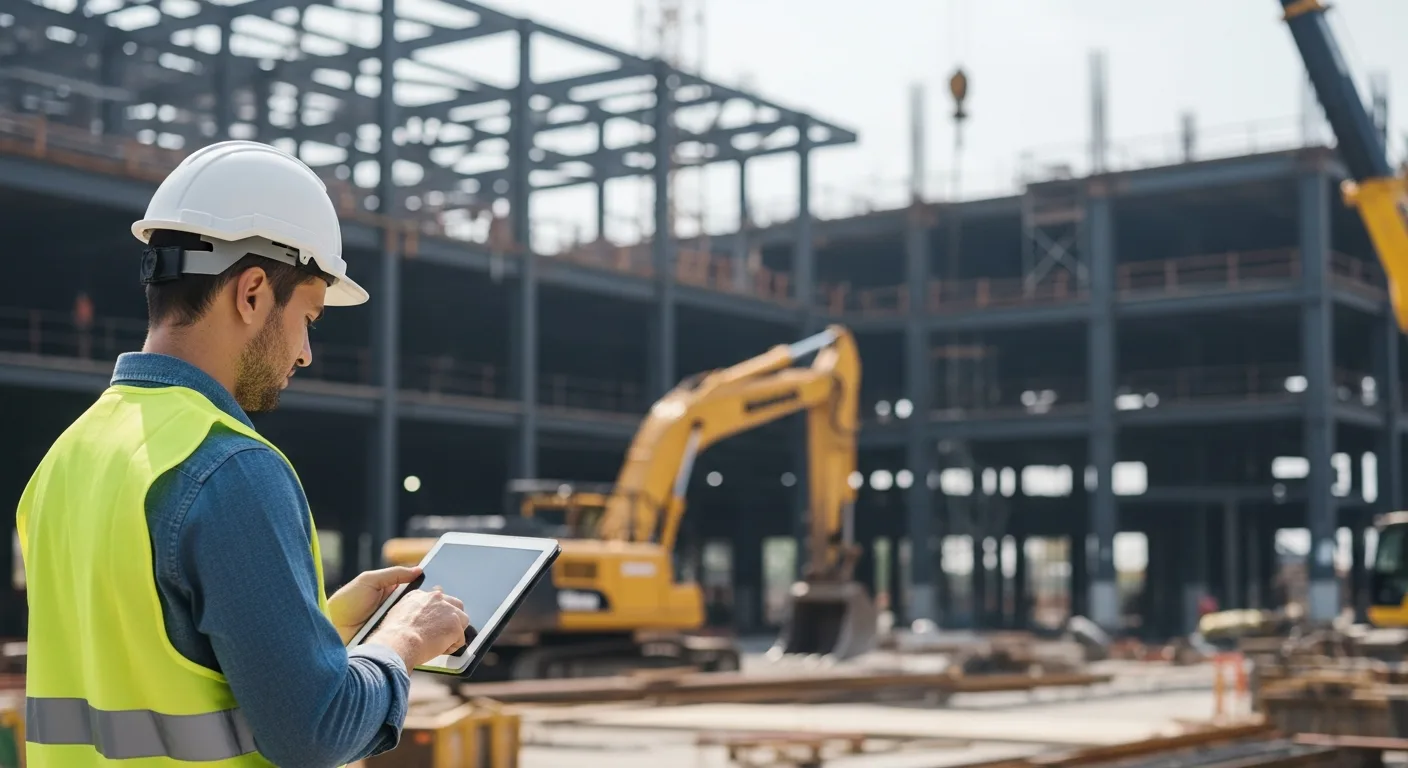
A contractor’s office is rarely a desk; it is more often a truck or a construction site. Therefore, a mobile-first contractor CRM is essential. It allows the contractor to update project statuses in real-time, upload photos of completed work, and communicate changes to his crew instantly. This real-time connectivity is crucial for efficiently coordinating his crews across multiple sites and ensuring that labor hours are tracked accurately.
Effective scheduling within the CRM prevents overbooking and ensures that the right tools and personnel are at the right location at the right time. If a delay occurs on one project, the contractor can quickly adjust his calendar and notify his team, minimizing downtime and protecting his margins.
Data-Driven Insights for Business Growth
Beyond daily operations, a contractor CRM serves as a powerful analytical tool. By the end of the fiscal year, a business owner can look back at his data to see which types of jobs were the most profitable and which marketing sources provided the best leads. He can identify patterns in his workflow where bottlenecks occur and make informed decisions on where to invest in new equipment or additional staff.
This data-driven approach allows him to move from a reactive mindset—simply putting out fires—to a proactive strategy where he can scale his business with confidence. He no longer has to guess about his numbers; he has the hard data to back up his decisions.
Frequently Asked Questions
What is the difference between a general CRM and a contractor CRM?
A general CRM focuses primarily on contact management and sales cycles. In contrast, a contractor CRM includes industry-specific features such as project management, site photos, estimating, and integration with field service tools that a trade professional needs to manage his daily workload.
Can a small contractor benefit from using a CRM?
Yes. Even a solo contractor can benefit from the organization and automation a CRM provides. It helps him appear more professional to his clients, ensures he never misses a follow-up, and saves him hours of administrative work each week.
Does a contractor CRM work offline?
Most modern contractor CRMs offer mobile apps with offline capabilities. A contractor can input data or take photos while at a remote job site without internet access, and the system will sync his updates once he returns to a connected area.
How does a CRM improve project timelines?
By centralizing communication and scheduling, a CRM reduces the risk of miscommunication between the contractor, his crew, and his clients. This leads to fewer delays, better resource management, and a more streamlined path to project completion.