Why is ERP for Construction the Secret to Protecting Your Profit Margins?
The High Stakes of Construction Management
Construction is a high-stakes game where a single miscalculation in rebar pricing or a two-day delay in concrete delivery can evaporate a contractor’s entire profit margin. He isn’t just managing a building; he is managing a complex web of subcontractors, fluctuating material costs, and strict regulatory deadlines. Relying on fragmented spreadsheets and manual data entry is no longer a viable strategy for the modern builder.
An ERP for construction serves as the central nervous system of a firm. It integrates every department—from the estimator in the office to the foreman on the job site—into a single source of truth. This connectivity ensures that when a project manager approves a change order, the accounting department sees the financial impact immediately, preventing the dreaded end-of-project budget surprises.
Real-Time Job Costing and Financial Control
The most significant advantage a contractor gains from a specialized system is real-time job costing. In traditional setups, he might wait weeks for reports to trickle in, by which time it is too late to fix a budget overrun. With a dedicated construction ERP, he can track labor hours, material waste, and equipment usage against his original estimates as they happen.
By utilizing a specialized industry solution, he can drill down into specific cost codes to see exactly where money is leaking. If labor costs on a framing phase are trending 15% higher than projected, he can investigate the cause—whether it’s a skill gap or a supply delay—and course-correct before the entire project goes into the red.
Streamlining the Field-to-Office Connection
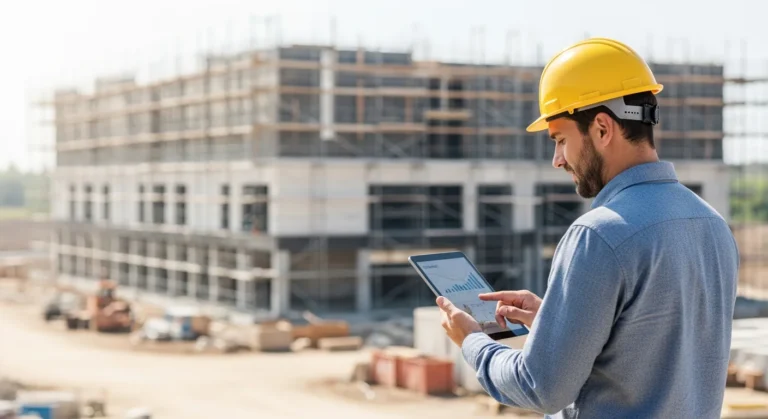
Communication breakdowns between the site and the back office are the primary cause of rework and delays. A construction ERP eliminates this friction through mobile integration. A foreman can log daily reports, upload photos of site progress, and submit RFI (Request for Information) documents directly from his tablet while standing in the dirt.
This instant data flow means the executive team has a bird’s-eye view of all active projects. He can allocate resources more effectively, moving a specialized crew from a finished site to a struggling one without missing a beat. Furthermore, integrating these workflows with a robust management framework ensures that client expectations are managed just as tightly as the physical build, keeping the pipeline full and the customers satisfied.
Equipment and Asset Optimization
Heavy machinery represents a massive capital investment. When an excavator sits idle or breaks down due to neglected maintenance, it costs the owner thousands of dollars. A construction ERP tracks the lifecycle of every asset. He can monitor engine hours, schedule preventative maintenance, and even track the GPS location of his fleet.
- Reduced Downtime: Automated alerts notify the shop manager when a machine is due for service.
- Accurate Billing: He can precisely charge equipment hours to specific jobs, ensuring the client pays for the actual usage.
- Asset Allocation: He knows exactly which site has which tool, preventing the unnecessary rental of equipment he already owns.
Compliance and Risk Management
The construction industry is buried in paperwork—insurance certificates, safety permits, and lien waivers. If a subcontractor’s insurance expires and he is allowed on-site, the general contractor takes on immense liability. An ERP automates the tracking of these documents. The system can be configured to block payments to any vendor whose compliance documents are out of date, protecting the business owner from legal and financial exposure.
Overcoming Implementation Hurdles
Transitioning to an ERP is a significant undertaking. Most failures occur because the leadership fails to secure buy-in from the field staff. He must demonstrate to his foremen that the software isn’t a surveillance tool, but a way to reduce their paperwork and make their jobs easier. Choosing a vendor that offers robust training and a user-friendly mobile interface is the difference between a successful rollout and a wasted investment.
Frequently Asked Questions
How does construction ERP differ from standard accounting software?
Standard accounting software handles general ledgers and payroll but lacks the ability to track costs by specific job codes, manage subcontracts, or handle the complexities of retainage and progress billing common in construction.
Can a small contractor benefit from an ERP?
Yes. While the initial cost may seem high, the efficiency gains in job costing and automated invoicing allow a small contractor to scale his operations without significantly increasing his administrative headcount.
Does construction ERP help with project scheduling?
Most modern systems include or integrate with scheduling modules, allowing him to link project timelines directly to resource availability and material procurement schedules.