Why Generic Software Fails: Choosing the Right ERP for Food Industry Success
The High Stakes of Food Production
A single batch of contaminated spinach can bankrupt a mid-sized producer in weeks. In the food industry, the margin for error is non-existent. A business owner cannot rely on spreadsheets or generic accounting software to manage the complex web of expiration dates, recipe scaling, and stringent FDA regulations. He needs a system that understands the difference between a bolt of fabric and a gallon of pasteurized milk.
An ERP for the food industry is not just a luxury; it is a survival mechanism. It integrates every facet of the business—from procurement and floor-level production to quality labs and shipping docks—into a single source of truth. When a manager is tackling common food manufacturing software challenges, he often finds that generic tools lack the granular control needed for real-time ingredient substitutions or allergen isolation.
Traceability: From Farm to Fork
Traceability is the backbone of food safety. If a recall occurs, a quality manager must be able to identify the source of a specific ingredient within minutes, not days. A specialized ERP provides bi-directional tracking. This means he can trace a finished product back to the specific lot of raw materials used, and conversely, see every customer who received a product containing a specific batch of ingredients.
- Instant Recall Management: Automated reports that identify affected batches instantly.
- Lot Tracking: Monitoring movement through every stage of the supply chain.
- Supplier Performance: Rating vendors based on the quality and safety of the materials they provide.
Recipe and Formula Management
Consistency is what builds a brand. A chef or production lead needs to ensure that every batch of sauce tastes exactly like the last, regardless of whether he is making 50 gallons or 5,000. Because food production relies on chemical or thermal transformations rather than simple assembly, it falls under the umbrella of specialized process manufacturing ERP systems.
These systems handle variable yields and co-products. For example, when a processor milks a cow, he doesn’t just get milk; he gets cream and skim milk in varying ratios. A standard ERP struggles with this logic, but a food-specific solution tracks these outputs accurately, ensuring that costs are allocated correctly and inventory levels remain precise.
Managing Perishability with FEFO
In most industries, FIFO (First-In, First-Out) is the standard. In food, FEFO (First-Expired, First-Out) is the law. An ERP for the food industry monitors the shelf life of every item in the warehouse. It alerts the warehouse manager when a batch is nearing its expiration date, allowing him to prioritize its use or offer it at a discount before it becomes a total loss.
By automating these alerts, the business reduces waste and improves its bottom line. The system can also block the shipment of products that do not meet a specific customer’s “remaining shelf life” requirements, preventing costly returns and strained relationships.
Compliance and Regulatory Reporting
Regulatory bodies like the FDA and USDA require meticulous record-keeping. A compliance officer spends a significant portion of his day ensuring that HACCP (Hazard Analysis and Critical Control Points) plans are followed and documented. A modern ERP digitizes this process.
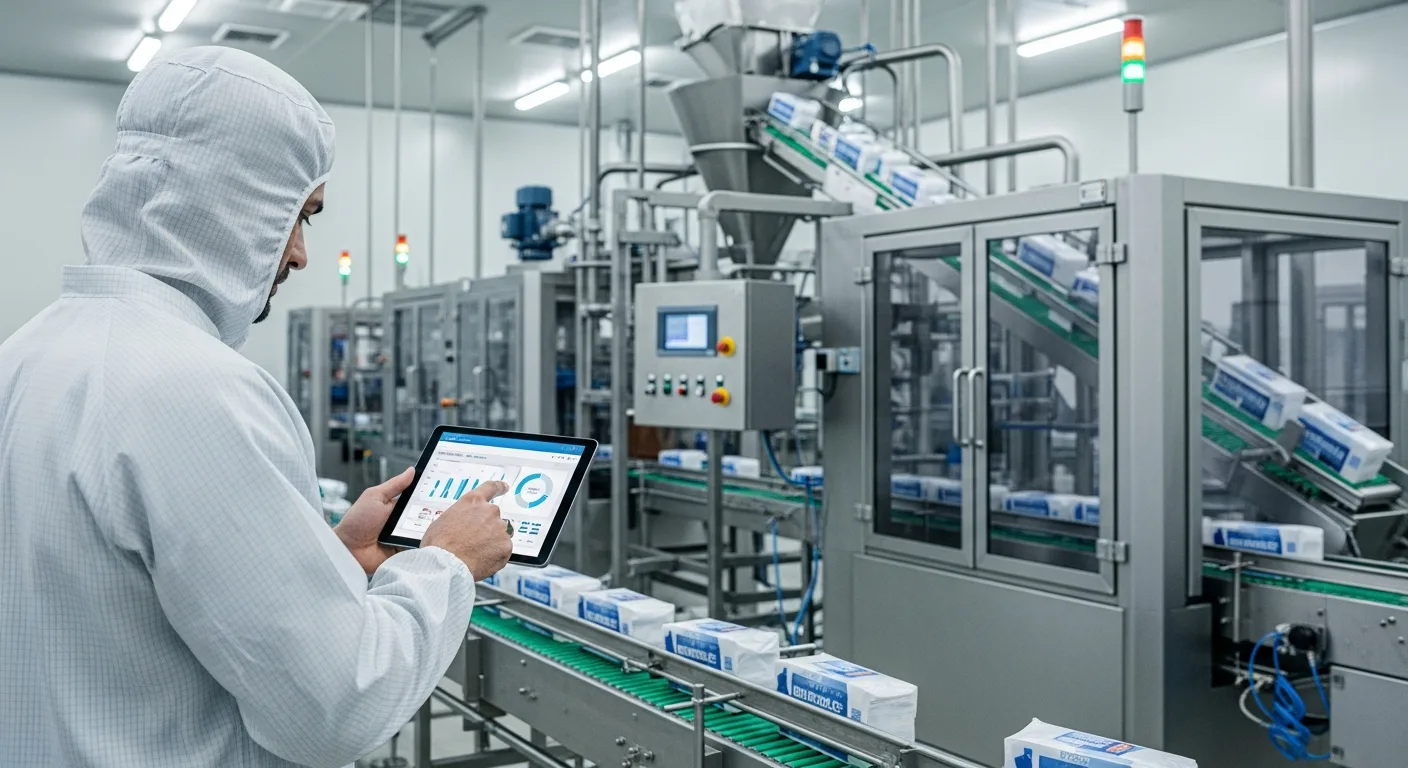
Instead of clipboards and manual logs, sensors and mobile devices feed data directly into the ERP. If a refrigerator temperature climbs above a safe threshold, the system triggers an immediate alert to the maintenance lead’s phone. This proactive approach ensures that he can rectify the issue before the product is compromised, maintaining both safety and profitability.
Inventory Precision and Waste Reduction
Food waste is a multi-billion dollar problem. Much of this waste stems from poor inventory visibility. When a procurement manager has real-time data, he can stop over-ordering raw materials that might spoil before they are used. The ERP provides demand forecasting tools that analyze historical sales data and seasonal trends, helping him make smarter purchasing decisions.
Furthermore, the system tracks “shrinkage”—the difference between the inventory he should have and what is actually on the shelf. By identifying where losses occur, whether through spoilage, theft, or production errors, he can implement targeted strategies to tighten operations.
Frequently Asked Questions
What is the difference between a food ERP and a generic ERP?
A food ERP includes specific modules for lot traceability, recipe management, catch weight, and expiration date tracking, which are typically missing or poorly implemented in generic systems.
How does an ERP help with FSMA compliance?
It automates the documentation required by the Food Safety Modernization Act, including preventive controls, supplier verification programs, and rapid recall capabilities.
Can a small food producer afford an ERP?
Yes, many modern ERP solutions are cloud-based, allowing a small business owner to pay a monthly subscription fee rather than a massive upfront capital investment, making high-level technology accessible to his growing company.