Why the SyteLine ERP System Remains the Gold Standard for Manufacturers in 2026?
The Evolution of SyteLine ERP in Modern Manufacturing
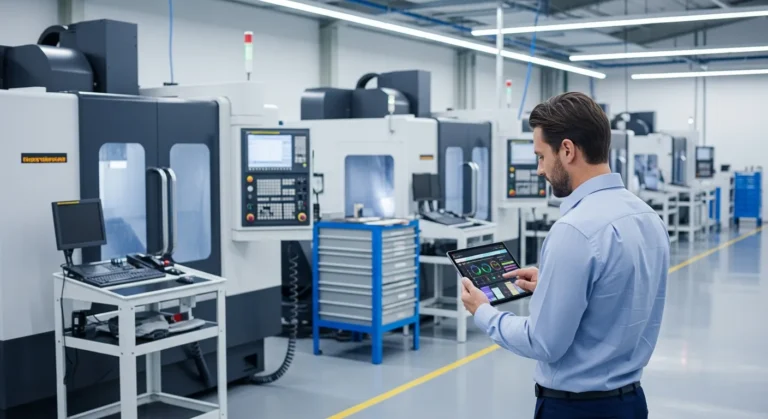
Manufacturing in 2026 demands more than just a digital ledger; it requires a predictive engine that can synchronize global supply chains with local shop floor realities. The SyteLine ERP system, now widely known as Infor CloudSuite Industrial, has transitioned from a traditional on-premise tool to a powerhouse of industrial intelligence. For a production manager, the system acts as his central nervous system, providing a real-time pulse on every machine, order, and material movement.
What sets SyteLine apart is its deep-rooted focus on discrete and process manufacturing. Unlike generic ERPs that try to be everything to everyone, SyteLine was built by people who understand the smell of grease and the precision of a CNC machine. It addresses the specific pain points of high-mix, low-volume production environments where scheduling volatility is the norm rather than the exception.
Advanced Planning and Scheduling (APS): The SyteLine Edge
The crown jewel of the SyteLine ERP system is its Advanced Planning and Scheduling (APS) module. In a world where customer lead times are shrinking, a manufacturer cannot afford to rely on static spreadsheets. SyteLine’s APS allows a planner to see the impact of a new rush order instantly. He can run “what-if” scenarios to determine if he has the capacity, labor, and materials to meet a deadline without disrupting existing commitments.
- Finite Capacity Planning: Accounts for actual machine and labor constraints, not just theoretical throughput.
- Material Synchronization: Ensures that long-lead-time components arrive exactly when the production line is ready for them.
- Real-Time Adjustments: If a machine goes down, the system automatically recalculates the schedule to minimize downtime.
When evaluating manufacturing ERP software efficiency, SyteLine consistently ranks at the top because it eliminates the gap between the front office and the shop floor. It provides a single version of the truth that everyone from the CEO to the forklift operator can trust.
Inventory and Supply Chain Mastery
Excess inventory is a silent profit killer. SyteLine provides granular visibility into stock levels, work-in-progress (WIP), and finished goods. By utilizing automated data collection and barcode integration, a warehouse manager can track his inventory with 99% accuracy. This level of precision is vital for maintaining lean operations.
The system also excels in managing complex supply chains. With integrated vendor portals, manufacturers can collaborate directly with suppliers, sharing forecasts and receiving real-time shipping notifications. Integrating a robust system for ERP and MRP ensures that every shop floor movement is tracked, reducing the risk of stockouts or over-purchasing.
Cloud Deployment and the 2026 Tech Stack
In 2026, the shift to the cloud is no longer optional. Infor has optimized SyteLine for the Amazon Web Services (AWS) infrastructure, providing manufacturers with enterprise-grade security and scalability. For a business owner, this means he no longer has to worry about maintaining expensive server rooms or managing complex software patches. The system updates automatically, ensuring he always has access to the latest features and security protocols.
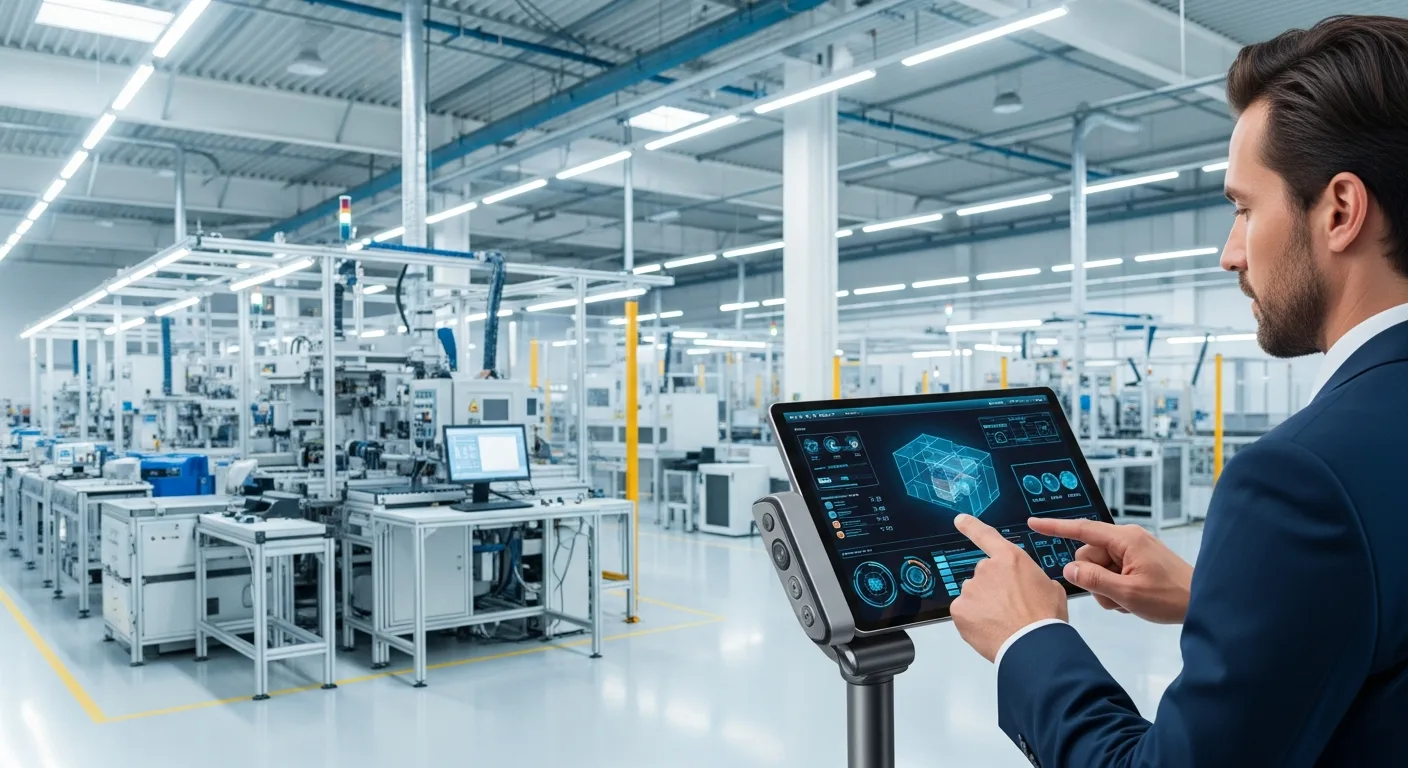
Furthermore, the integration of AI and machine learning within the Infor Coleman platform allows SyteLine to move from reactive to proactive. The system can now predict when a machine is likely to fail or identify patterns in demand that a human analyst might miss. This predictive capability is what transforms a standard manufacturing plant into a “smart factory.”
Implementation Success: The Human Element
No matter how powerful the software, the success of a SyteLine ERP system rollout depends on the strategy behind it. A successful implementation requires a clear roadmap and a dedicated team. A project lead must ensure that his team is properly trained and that business processes are optimized before they are digitized. SyteLine’s flexible architecture allows for significant configuration without the need for heavy custom coding, which often leads to technical debt.
By focusing on user adoption and clean data migration, companies can see a return on investment (ROI) within the first year. The goal is to create a streamlined workflow where data flows effortlessly from a customer’s initial quote to the final shipment of the product.
Frequently Asked Questions
What is the difference between SyteLine and Infor CloudSuite Industrial?
SyteLine is the original name of the ERP software. Infor rebranded it as CloudSuite Industrial (CSI) when they moved the platform to a cloud-first architecture. While many long-time users still refer to it as SyteLine, they are essentially the same product, with CSI representing the most modern, cloud-based version.
Is SyteLine ERP suitable for small to mid-sized manufacturers?
Yes, SyteLine is highly scalable. It is particularly effective for mid-market manufacturers who have outgrown basic accounting software and need sophisticated production control, but aren’t yet ready for the massive complexity of Tier 1 enterprise systems.
How does SyteLine handle multi-site operations?
SyteLine was designed for multi-site, multi-currency, and multi-language environments. It allows a manager to oversee several different plants from a single dashboard, facilitating inter-company transfers and consolidated financial reporting with ease.
Can SyteLine be integrated with other third-party software?
Absolutely. Using Infor ION (Intelligent Open Network), SyteLine can easily connect with CRM systems, CAD software, and external logistics providers. This open architecture ensures that the ERP remains the heart of a wider, integrated business ecosystem.