How to Choose the Best ERP Systems for Manufacturing in 2026?
The Shift Toward Data-Driven Manufacturing
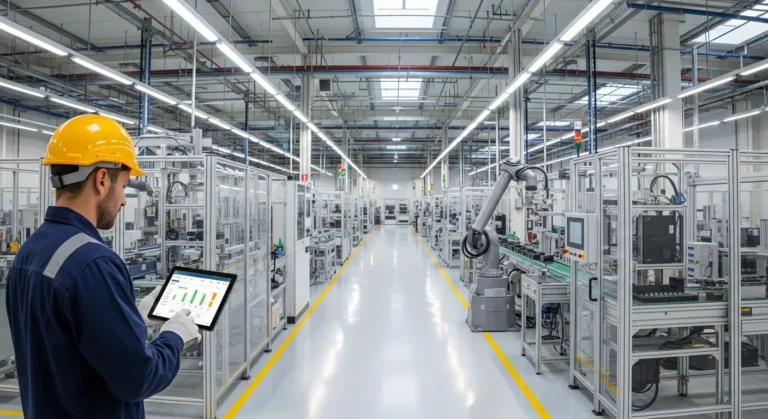
The days of managing a factory floor with spreadsheets and gut feelings are long gone. In 2026, a manufacturer who relies on fragmented data is essentially flying blind. Global competition and fluctuating material costs have made precision the only path to profitability. This is where ERP systems for manufacturing become the central nervous system of an operation, connecting the front office to the shop floor in real-time.
When a plant manager looks at his dashboard, he needs to see more than just output numbers. He needs to know how a delay in a raw material shipment from overseas will impact his production schedule three weeks from now. Modern ERP solutions provide this foresight by breaking down silos between procurement, inventory, and shipping.
Core Features That Define Modern Manufacturing ERP
Not all ERPs are built the same. A generic system might handle accounting well, but manufacturing requires specialized modules that understand the nuances of production cycles. Here are the non-negotiables for any system in 2026:
- Advanced Planning and Scheduling (APS): This allows a manager to simulate different production scenarios. He can see how adding a second shift or prioritizing a specific client will affect his overall lead times.
- Real-Time Inventory Tracking: Using IoT sensors and RFID, the system should update stock levels automatically. This prevents the dreaded “stockout” that can halt an entire assembly line.
- Quality Control Modules: Quality shouldn’t be an afterthought. Integrated ERPs track defects at every stage, allowing a technician to flag issues before the product ever leaves the facility.
- Shop Floor Control: This gives the foreman a direct line of sight into machine performance and operator efficiency, helping him identify bottlenecks before they become crises.
The primary goal remains optimizing production efficiency through modern software, ensuring that every machine and man on the floor is working at peak capacity without burning out resources.
Cloud vs. On-Premise: Making the Right Call
The debate between cloud-based and on-premise ERPs has largely shifted in favor of the cloud, but the choice still depends on a manufacturer’s specific security needs. Cloud ERPs offer unmatched scalability; as a business owner expands his operations to a second or third location, he can sync data across all sites instantly without massive hardware investments.
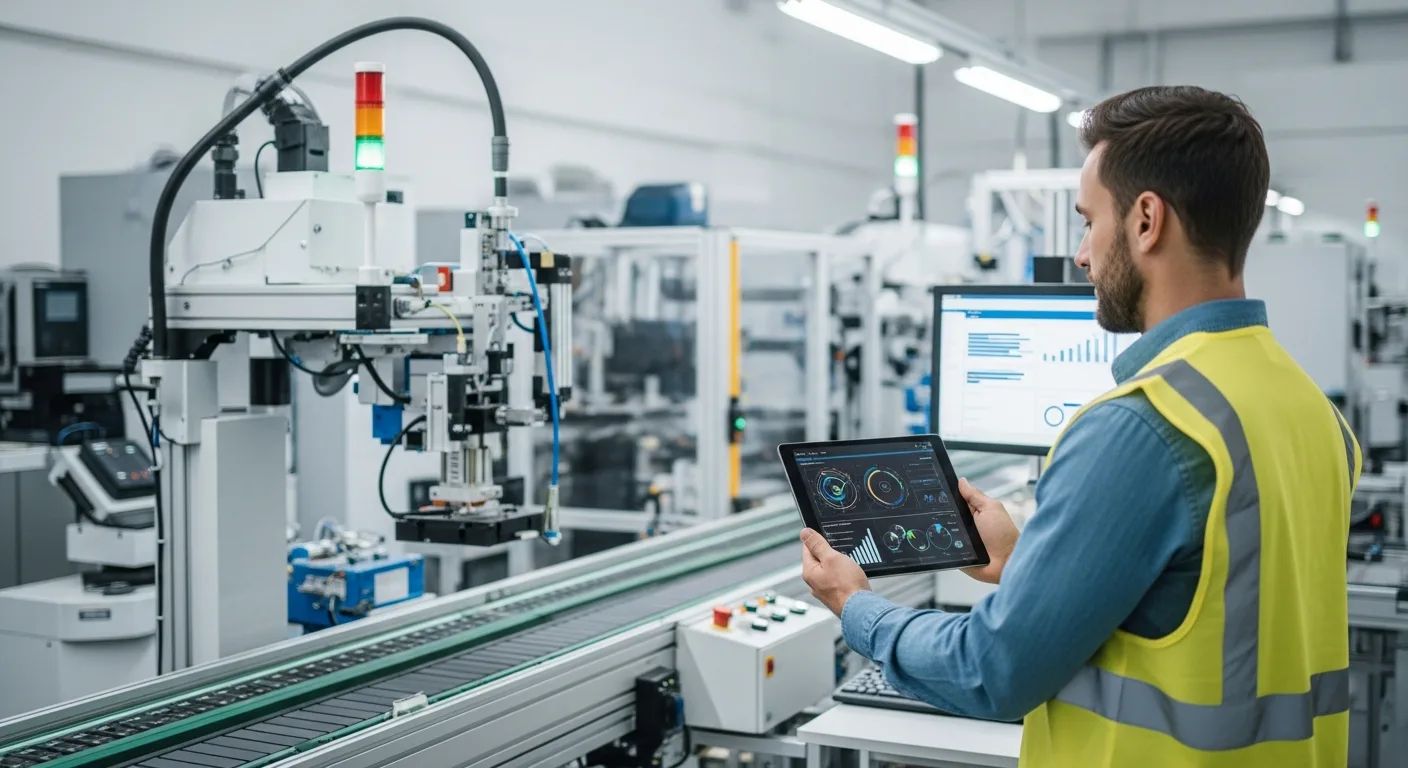
However, some high-security sectors still prefer on-premise setups to maintain total control over their data. Regardless of the hosting method, the focus must be on mobile accessibility. A floor supervisor should be able to pull up a Bill of Materials (BOM) on his tablet while standing next to the machinery, rather than walking back to a desktop in a distant office.
Navigating the Implementation Process
Implementation is where most ERP projects succeed or fail. It is a massive undertaking that requires more than just a software license; it requires a cultural shift within the company. When a CEO decides to pull the trigger on a new system, he must ensure his team is trained and that the data being migrated is clean.
Many companies struggle because they try to mirror their old, inefficient processes in the new software. Instead, a smart leader uses the implementation as an opportunity to audit his workflows. Often, hiring a dedicated specialist to oversee the transition is the difference between a successful rollout and a costly stall that disrupts the entire supply chain.
The Role of AI and Predictive Maintenance
In 2026, AI is no longer a buzzword; it is a functional tool within the ERP ecosystem. Predictive maintenance modules analyze vibration and heat data from machines to predict when a part is likely to fail. This allows a maintenance lead to schedule repairs during planned downtime, saving the company thousands in emergency repair costs and lost production hours.
Furthermore, AI-driven demand forecasting helps a purchasing manager buy materials at the best possible price by analyzing market trends and historical usage patterns. He no longer has to guess how much steel or plastic to order for the next quarter; the system provides a data-backed recommendation.
Frequently Asked Questions
What is the average cost of an ERP system for manufacturing?
Costs vary widely based on the number of users and the complexity of the modules. Small manufacturers might pay a few hundred dollars per month for a SaaS model, while large enterprises can spend millions on a customized, multi-site rollout.
How long does it take to implement a new ERP?
A typical implementation for a mid-sized manufacturer takes anywhere from six months to a year. This includes data migration, system configuration, and extensive employee training to ensure everyone knows how to use the new tools effectively.
Can an ERP system help with regulatory compliance?
Yes. For manufacturers in highly regulated industries like aerospace or medical devices, an ERP provides a digital paper trail. It tracks every component from the supplier to the finished product, making audits much faster and less stressful for the compliance officer.