Why ERP for Manufacturing is the Backbone of Modern Production in 2026
The Shift Toward Intelligent Production
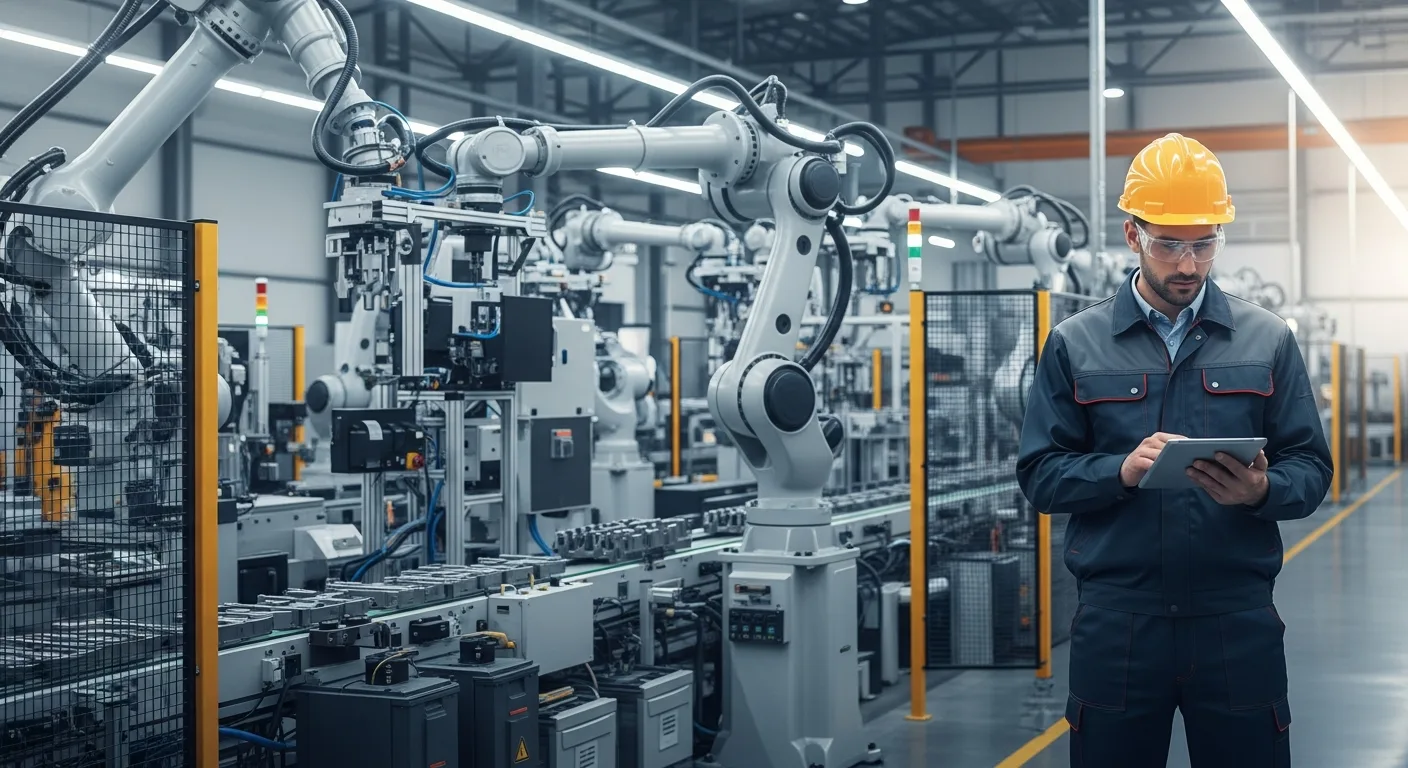
A factory floor without a centralized brain is just a collection of expensive machines running in the dark. In 2026, the margin for error in manufacturing has vanished. A plant manager can no longer rely on fragmented spreadsheets or gut feelings to handle global supply chain disruptions. He needs a system that provides a single source of truth, connecting the front office to the shop floor in real-time.
Implementing a robust ERP for manufacturing allows a leader to synchronize his production schedules with actual demand. Instead of reacting to shortages, he anticipates them. This proactive stance is what separates profitable enterprises from those struggling with stagnant inventory and missed deadlines. Understanding the core manufacturing ERP software benefits can help a decision-maker justify the initial investment to his board by highlighting long-term operational savings.
Essential Features of a Modern Manufacturing ERP
Not all ERP systems are built for the grit of a production environment. A generic accounting tool won’t cut it when a manager needs to track Work-in-Process (WIP) or manage complex Bills of Materials (BOM). Here are the non-negotiables for any industrial-grade solution:
- Advanced Planning and Scheduling (APS): This allows him to allocate resources efficiently, ensuring that machines and labor are never idle.
- Material Requirements Planning (MRP): Automatically calculates what materials are needed and when, based on the current production forecast.
- Quality Control Modules: He can enforce strict compliance standards at every stage of the assembly line, reducing scrap and rework.
- Shop Floor Control: Real-time tracking of jobs as they move through various work centers.
Beyond these features, he must ensure that manufacturing inventory software optimization is a top priority to prevent costly stockouts or the financial burden of overstocking raw materials.
Discrete vs. Process Manufacturing: Choosing the Right Fit
A manufacturer must identify his specific production style before committing to a platform. Discrete manufacturing involves creating distinct items—like cars, smartphones, or furniture—that can be broken down into their original components. Here, the ERP focuses on assembly sequences and part tracking.
On the other hand, process manufacturing deals with formulas and recipes—think chemicals, food, or pharmaceuticals. In this scenario, he needs an ERP that handles batch processing, potencies, and expiration dates. If he chooses a system designed for the wrong mode, he will find himself fighting against the software rather than using it to scale his output.
Integrating the Shop Floor with the Back Office
The true power of an ERP lies in its ability to break down silos. When a sales rep enters an order, the production manager should see it instantly. He can then check his current capacity and material availability without picking up a phone. This seamless data flow reduces lead times and improves customer satisfaction.
Furthermore, modern systems in 2026 leverage IoT (Internet of Things) connectivity. He can link his CNC machines directly to the ERP, allowing the system to pull performance data automatically. This enables predictive maintenance, where the software alerts him to a potential machine failure before it actually happens, saving him thousands in unplanned downtime.
Avoiding the Pitfalls of ERP Implementation
Many manufacturing leaders fear the ERP implementation process, and for good reason. It is a complex undertaking that requires more than just technical setup; it requires a cultural shift. He must ensure his team is properly trained and that the data being migrated is clean and accurate.
Success often depends on his ability to define clear Key Performance Indicators (KPIs) from the start. Whether he wants to reduce cycle times by 15% or improve on-time delivery rates, having these goals allows him to measure the software’s ROI effectively. He should also look for a vendor that offers scalable cloud options, allowing his system to grow as his production volume increases.
Frequently Asked Questions
What is the difference between MRP and ERP?
MRP (Material Requirements Planning) is a subset of ERP focused specifically on inventory and production scheduling. ERP is the broader suite that includes MRP plus accounting, HR, and sales management.
Can a small manufacturer afford an ERP?
Yes. With the rise of SaaS (Software as a Service) models, he can access enterprise-level tools via a monthly subscription, avoiding the massive upfront costs of on-premise servers.
How long does it take to implement a manufacturing ERP?
A typical implementation can take anywhere from six months to over a year, depending on the complexity of his operations and the level of customization required.
Does ERP software help with regulatory compliance?
Absolutely. It provides a digital audit trail, making it much easier for him to comply with ISO standards, FDA regulations, or industry-specific safety requirements.