
Why ERP Accounting Software is the Backbone of Modern Business in 2026?
Beyond the Ledger: What Makes ERP Accounting Different?
Stop thinking of accounting as just a digital ledger or a way to track expenses. In 2026, financial data is the central nervous system of any successful enterprise. While traditional software handles bookkeeping, ERP accounting software integrates those financial figures with every other department, from supply chain to human resources.
When a business owner moves beyond basic spreadsheets, he often finds himself distinguishing between standalone tools and integrated suites to find the right fit. The primary difference lies in data silos. A standalone tool requires manual imports; an ERP system ensures that when a sales manager closes a deal, the invoice is generated, the inventory is updated, and the tax liability is calculated instantly without a single manual entry.
Real-Time Financial Visibility and Automation
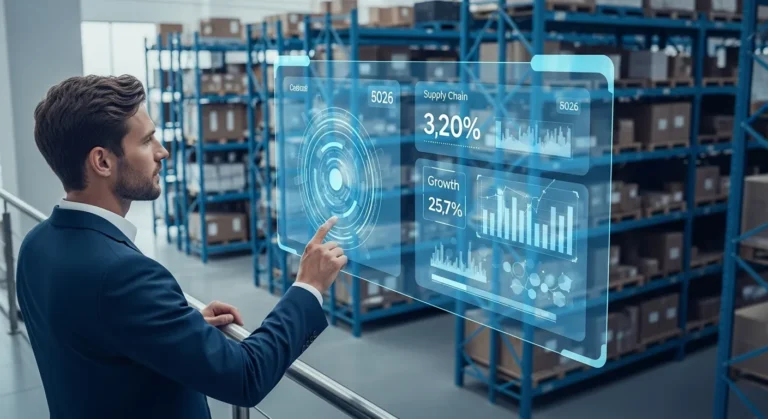
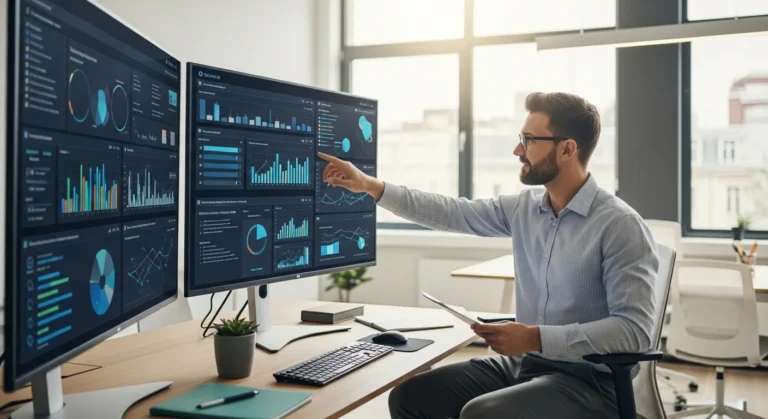
Waiting until the end of the month to see a profit and loss statement is a relic of the past. Modern ERP solutions provide a live dashboard where a CFO can monitor his cash flow in real-time. This level of visibility allows for faster decision-making, especially when market conditions shift unexpectedly.
- Automated AP/AR: Reduce human error by automating accounts payable and receivable workflows.
- Instant Consolidation: For those managing multiple entities, ERP software consolidates financial reports across different regions and currencies in seconds.
- Predictive Analytics: Use historical data to forecast future revenue streams and identify potential cash crunches before they happen.
Scaling Your Business with Integrated Financials
Growth often brings complexity. As a business expands, the volume of transactions can overwhelm basic systems. ERP accounting software is built to scale, handling thousands of concurrent transactions while maintaining high data integrity. This is particularly vital when scaling operations for smaller enterprises that aim to compete with larger industry players.
A manager can customize his reporting modules to focus on the KPIs that matter most to his specific industry. Whether it is tracking project-based costs in construction or managing high-volume retail transactions, the software adapts to the user’s workflow rather than forcing the user to adapt to the software’s limitations.
Key Features to Look for in 2026
The landscape of financial technology is moving fast. If a professional is looking to upgrade his system this year, he should prioritize these specific capabilities:
AI-Driven Compliance: Tax laws and financial regulations change constantly. Modern ERPs use machine learning to flag potential compliance issues or tax discrepancies before they become legal headaches.
Blockchain Audit Trails: To ensure maximum security and transparency, many top-tier ERPs now utilize blockchain technology to create immutable records of every financial transaction. This makes the annual audit process significantly faster and less stressful for the accounting team.
Cloud-Native Architecture: Avoid “fake cloud” solutions that are just old desktop software hosted on a remote server. True cloud-native ERPs offer better security, seamless updates, and superior mobile access for the executive on the move.
Frequently Asked Questions
What is the main difference between ERP and standard accounting software?
Standard accounting software focuses strictly on financial transactions like billing and payroll. ERP accounting software integrates these functions with other business processes like inventory, sales, and CRM, providing a single source of truth for the entire company.
Is ERP accounting software too expensive for small businesses?
Not anymore. With the rise of SaaS (Software as a Service) models, many providers offer tiered pricing that allows a small business owner to pay only for the modules he needs, making it much more affordable than the legacy systems of the past.
How long does it take to implement an ERP accounting system?
Implementation timelines vary based on the complexity of the business. A simple cloud-based setup might take a few weeks, while a full-scale enterprise migration could take several months. Proper data migration and staff training are the most time-consuming but essential phases.
Can ERP software help with international tax compliance?
Yes. Most modern ERP systems include multi-tax and multi-currency engines that automatically calculate VAT, GST, or local sales taxes based on the shipping and billing addresses of the customer.